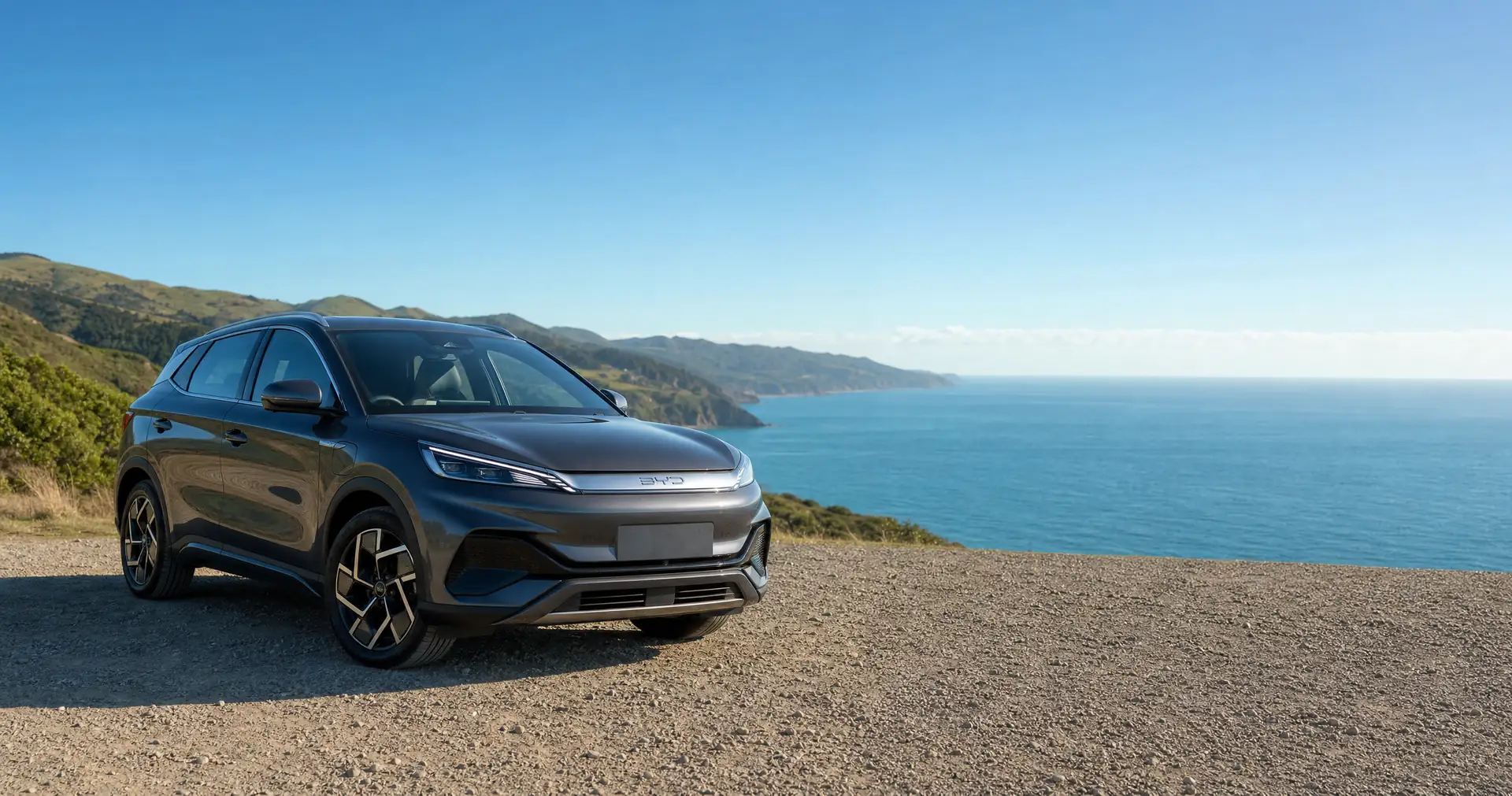
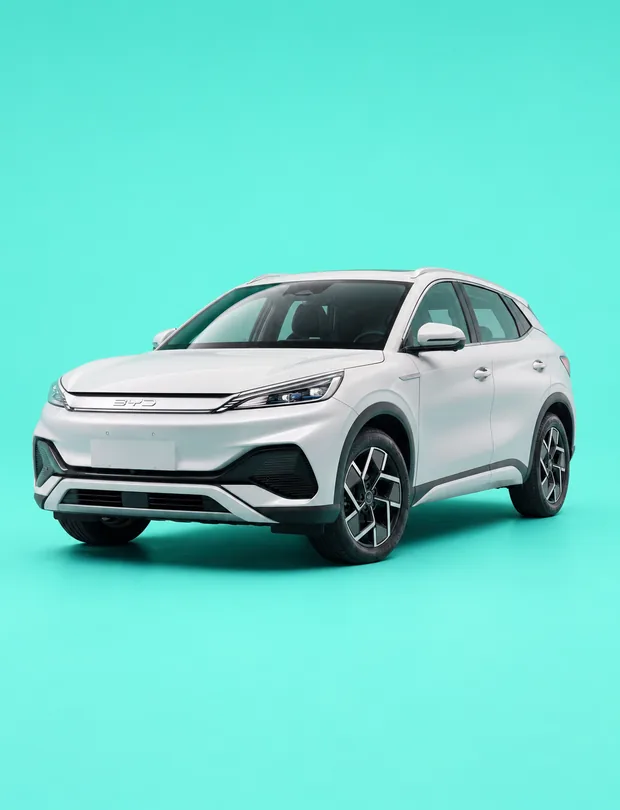
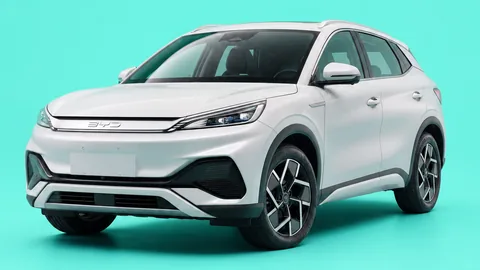
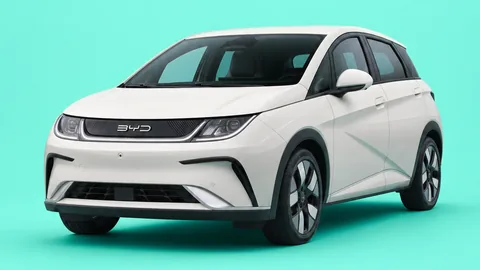
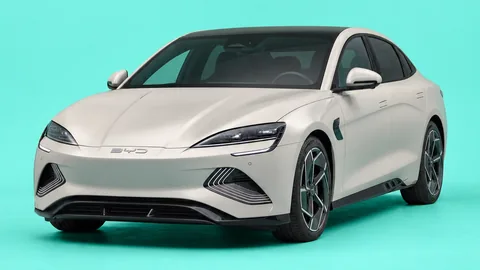
BYD New Zealand is distributed by Ateco Automotive, a specialist importer that handles several brands locally. BYD doesn't operate a captive-finance arm in New Zealand, so every BYD loan is arranged through an independent lender or broker. Some BYD NZ dealers refer customers to a preferred lender panel, but that's a referral relationship, not a subvented manufacturer finance rate.
Most mainstream secured-car lenders in New Zealand now extend their EV loan tier to NZ-new Atto 3, Dolphin, and Seal on current terms. Indicative EV tier rates sit 0.5 to 1.5 percentage points below the standard secured-car rate. A handful of lenders apply age or km caps that can exclude earlier 2023 examples, and parallel-imported BYDs are typically excluded from the EV tier entirely.
BYD New Zealand offers a 6-year or 150,000 km vehicle warranty and an 8-year or 160,000 km high-voltage battery warranty on NZ-new cars sold through BYD NZ dealers (the BYD NZ site lists the current terms for specific vehicles). BYD NZ states both warranties are fully transferrable to subsequent NZ owners, so transfer isn't conditioned on a full BYD NZ service record (servicing to schedule keeps the warranty valid but is not a separate transfer gate). Neither applies to parallel-imported Chinese-market BYDs.
Yes, most NZ lenders will fund compliant parallel-imported BYDs provided the vehicle has cleared NZ entry compliance. Expect a rate 0.5 to 1.5 percentage points above an NZ-new equivalent because lender residual data is thinner, the BYD NZ warranty doesn't apply, and parts or software support is less certain. Terms commonly run three to four years maximum on a parallel import.
10 to 20% is the common range on a new NZ-new BYD, which is in line with mainstream EV finance more broadly. On a $50,000 Atto 3 that's $5,000 to $10,000. Parallel-import applications often see lenders ask for a larger deposit (20 to 30%) because the residual picture is less certain and warranty coverage is narrower. A larger deposit also typically unlocks a sharper rate.
At some NZ lenders, yes, under a PHEV-specific tier or a broader efficient-vehicle loan product. The discount is usually narrower than the full EV tier discount because lenders price PHEVs between pure EVs and petrol hybrids on residual grounds. Confirm PHEV tier eligibility by name when a broker quotes, because the answer varies across the panel.
All BYD EVs (Atto 3, Dolphin, Seal) pay $76 per 1,000 km RUC in pre-paid blocks from NZTA since April 2024. The Sealion 6 PHEV pays the reduced $38 per 1,000 km rate. At 14,000 km a year, that's about $1,064 on an Atto 3 and about $532 on a Sealion 6. The figure needs to sit alongside the finance weekly when comparing against a petrol SUV.
Generally yes, for three reasons: the BYD NZ factory warranty usually transfers, service records through BYD NZ dealers are cleaner, and lender residual-value assumptions are less conservative. The NZ-new price premium over a parallel import typically runs $3,000 to $8,000, which is often justified by the easier finance terms and the warranty umbrella over the loan period.
Four to five years is the sensible range on an NZ-new Atto 3, Dolphin, or Seal because the BYD NZ vehicle warranty runs through most of the loan and the battery warranty runs well past the end. On a parallel import, three to four years is the practical ceiling because resale drops faster and warranty coverage is narrower. Seven-year terms are rarely a fit on a brand this new to the market.
To some extent, yes. A $48,000 new Atto 3 with an 8-year battery warranty and modern range compresses the premium a used Leaf import at $12,000 used to carry. The effect on Leaf residuals is gradual rather than sudden, and Leaf remains the cheapest path into an EV for smaller loan brackets, but the gap is narrowing as BYD used supply grows through 2026 and beyond.
For a $48,000 NZ-new Atto 3 on a five-year EV-tier loan around 7.3%, finance costs total roughly $57,200 (principal plus interest). Add insurance (around $8,500), servicing (around $3,000), tyres (around $2,000), home charging (around $3,000), and RUC (around $5,300) for a rough all-in of $79,000 over five years. These figures are indicative and depend on km driven and electricity plan.
Some lenders will fund a home wall-box install as part of an EV purchase loan, typically adding $2,000 to $4,500 to the principal. Doing so adds interest across the loan term, so a standalone personal loan or a cash purchase is usually cheaper overall. Several NZ electricity retailers offer interest-free or low-rate EV-charger finance that's worth comparing before rolling the cost into the car loan.