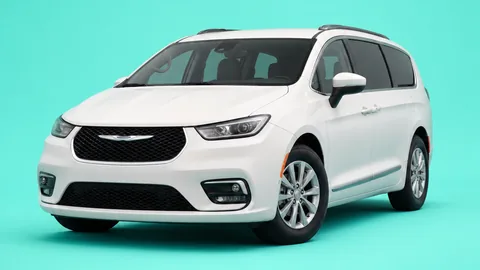
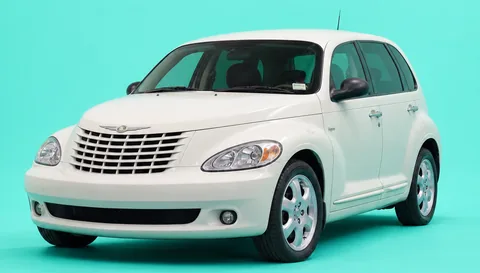
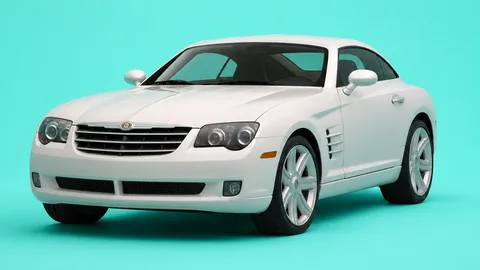
Yes, but the finance channel runs through specialist-import dealers and broker-arranged NZ lenders rather than a Chrysler NZ captive. Ex-Australian 300C stock typically clears the application more smoothly than direct US imports because the paper trail is cleaner and no LHD conversation applies. Expect rates 1 to 2 percentage points above a same-age Ford or Holden NZ-new equivalent because residuals are thinner and the approved-lender panel is narrower.
Yes. Ex-Australian 300C cars arrive factory-built RHD with service records from the Fiat Chrysler Australia dealer network, which keeps the approved-lender panel wider and the offered rate 0.5 to 1.5 percentage points tighter than a direct US 300C of the same year. Direct US imports add the LHD or conversion underwriting conversation, which narrows the lender pool and typically shortens the maximum loan term.
A 25 to 30% deposit is the common target on a used 300C, which on a $22,000 car is $5,500 to $6,600. The larger deposit reflects thinner Chrysler residuals and the niche-import discount lenders apply. A smaller deposit is possible on late-model low-km ex-Australian 300C with complete service history, but the offered rate typically climbs by 0.5 to 1 percentage points.
In principle yes, but many cheaper PT Cruiser and older Voyager examples fall below the $10,000 minimum loan size that NZ secured-car lenders typically apply. The alternative is an unsecured personal loan at a 2 to 4 percentage point premium, which changes the economics materially. A late-model Voyager or 300C above the $10,000 threshold finances more cleanly than a sub-$10,000 PT Cruiser.
No. Chrysler has no authorised NZ distributor in 2026, so there's no Chrysler NZ captive-finance arm. Every Chrysler finance application runs through a specialist-import dealer panel or an independent broker-arranged lender. A broker with experience in American and ex-Australian imports is typically the best place to start because the approved-lender list is narrower than on a mainstream brand.
Yes on a small number of lenders who write niche-performance imports, but terms tighten. Loan-to-value is typically capped at 70 to 75%, the maximum term drops to 3 or 4 years, and insurance pricing varies sharply between insurers with some declining the model outright. Confirm insurance availability and pricing before committing to the finance application on any 300 SRT.
Most NZ secured-car loans cap vehicle age at 12 to 15 years at loan-end date, which makes a 10-year-old 300C financeable on a 3-year term but unlikely to clear a 5-year term. Rates sit 1.5 to 2.5 percentage points above a recent-import equivalent, and lenders require complete service history, a clean title, and NZ compliance paperwork. A pre-purchase inspection is genuinely worthwhile on an older 300C or Voyager.
The standard package includes the ex-Australian or US title or equivalent, NZTA entry compliance certificate, Carjam NZ history report, engineering certification for any LHD-to-RHD conversion, and full service records. Ex-Australian 300C typically carries the strongest paperwork out of the box, which is the main reason it clears application faster than direct US stock.
If your trade-in is worth more than the balance still owing, the dealer pays out the old loan and the surplus credits to the next purchase. If the trade value sits below the loan balance, the shortfall rolls into your new loan as negative equity. Because Chrysler residuals run well below the mainstream market average, negative equity is common at the midway point and is one of the main reasons short terms and meaningful deposits are worthwhile on 300C finance.
Yes, on any Chrysler without a current warranty. Specialist workshop rates and Chrysler parts lead times through US or Australian order push typical out-of-warranty repair cost above mainstream-brand equivalents, and a single transmission or electronic failure can exceed $4,000. MBI is worth pricing separately from any dealer-bundled cover, because bundled MBI on niche imports often carries drivetrain or transmission exclusions.
For a $22,000 used 300C Luxury on a 5-year loan at 10.5%, finance costs total about $28,300 (principal plus interest). Add insurance (~$11,500), servicing and tyres (~$9,500), and fuel (~$16,500 at 15,000 km per year) for a rough all-in cost of $66,000 over 5 years, or roughly $253 a week. 300C SRT variants run materially higher. These are indicative based on NZ averages; actual costs depend on distance, driving style, and insurer.
Yes, most lenders allow rolling negative equity into a new Chrysler loan, but they scrutinise combined affordability tightly on a thin-residual import. If the existing loan is $5,000 and the 300C costs $22,000, the base principal is $27,000 before deposit or trade-in. Rolling more than 10 to 15% of the new car's value as negative equity; thin Chrysler residuals make positive-equity recovery slow.