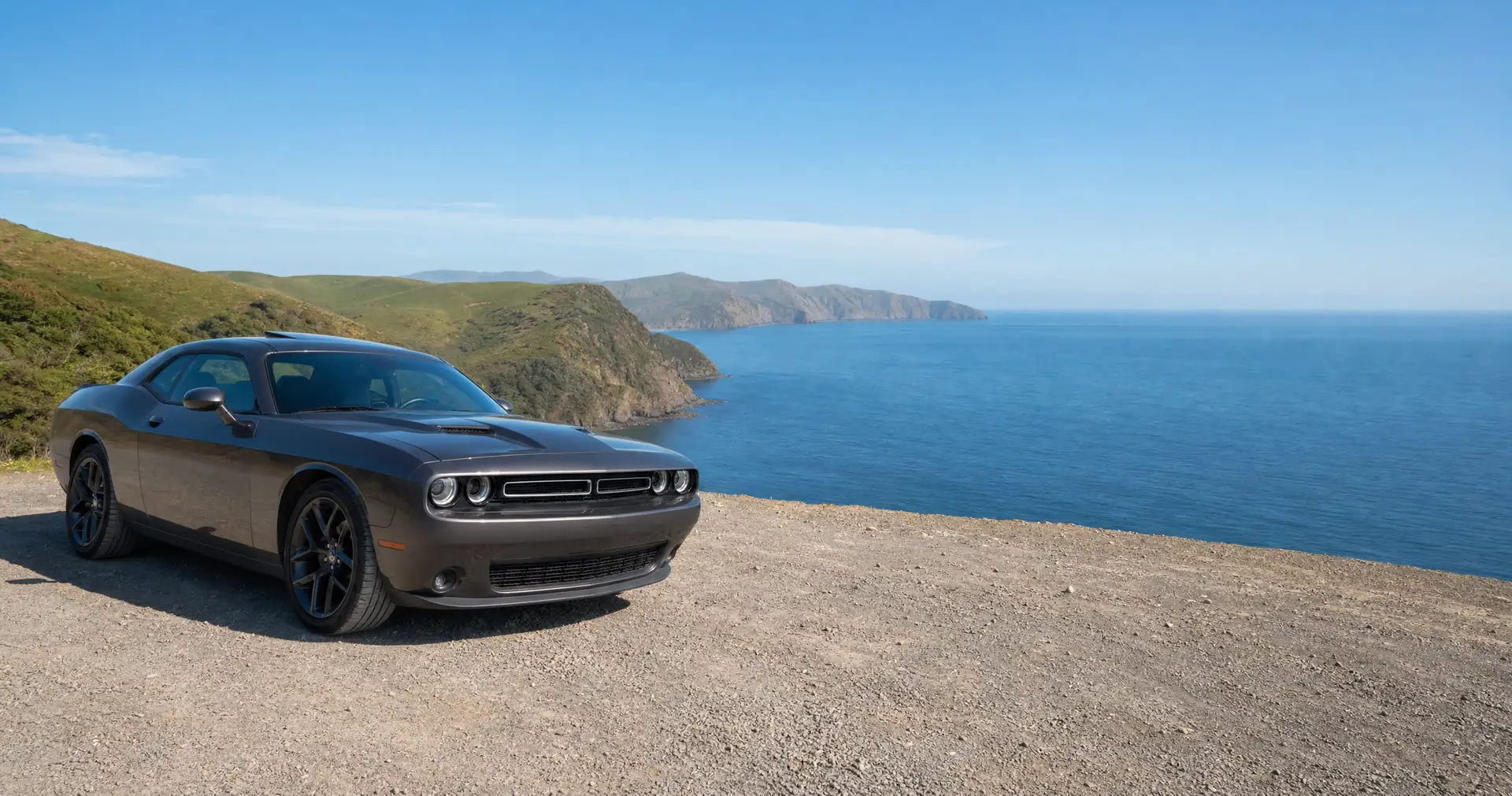
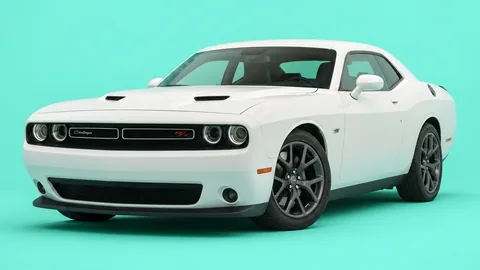
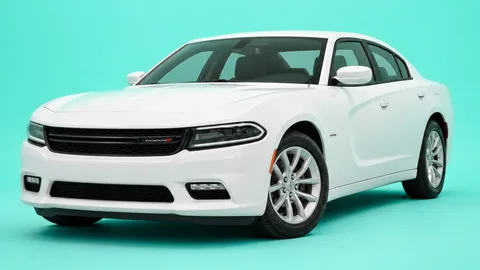
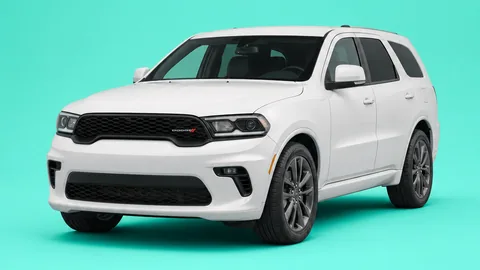
Yes, but the finance channel runs through specialist American-import dealers rather than a Dodge NZ captive. A broker experienced in US imports will route the application to a lender that prices Challenger, Charger, or Durango security sensibly. Expect rates 1 to 2.5 percentage points above a same-age Toyota equivalent because import residuals are thinner and the approved-lender panel is narrower.
It is the single most important underwriting variable on a Dodge application in NZ. Converted RHD cars with engineering certification attract a wider lender pool than original LHD cars. LHD examples are financeable but the panel of lenders shrinks, the maximum term is typically capped at 3 or 4 years, and the offered rate usually sits 1 to 2 percentage points above the RHD equivalent.
A 25 to 30% deposit is the common target on a used Challenger or Charger import, which on a $55,000 car is $13,750 to $16,500. The larger deposit reflects thinner Dodge residuals and the import-security discount lenders apply. A smaller deposit is possible on late-model low-mileage examples with complete paperwork, but the offered rate typically climbs by 0.5 to 1.5 percentage points.
No. Dodge has no authorised NZ distributor in 2026, so there's no Dodge NZ captive-finance arm. Every Dodge finance application runs through a specialist-import dealer panel or through an independent broker-arranged lender. A broker with experience in American imports is typically the best place to start because the approved-lender list is narrower than on a mainstream brand.
Yes on a small number of lenders who write niche-performance imports, but terms tighten sharply. Expect a maximum term of 3 to 4 years, loan-to-value capped at 70 to 75%, and insurance pricing that varies $1,500 to $2,500 between insurers. Some insurers will decline a Hellcat outright, so confirm insurance before committing to the finance application.
Most NZ secured-car loans cap vehicle age at 12 to 15 years at loan-end date, which makes a 10-year-old Charger or Durango financeable on a 3-year term but unlikely to clear a 5-year term. Rates sit 1.5 to 3 percentage points above a recent-import equivalent, and lenders require a clean US title, verified odometer, and complete NZ compliance paperwork before funding. A pre-purchase V8 inspection is genuinely worthwhile on older stock.
The standard package includes the US title or equivalent, NZTA entry compliance certificate, Carjam NZ history report, any engineering certification for an LHD-to-RHD conversion, and recent service records. Missing or incomplete paperwork is the most common reason an otherwise sound Dodge application is declined or routed to a higher rate.
If your trade-in is worth more than the balance still owing, the dealer pays out the old loan and the surplus credits to the new purchase. If the trade value sits below the loan balance, the shortfall rolls into the next loan. Because Dodge residuals run thinner than mainstream brands, negative equity at the midway point is more common than on a Toyota or Ford of the same age, particularly on seven-year terms.
Yes, on any Dodge without a current factory or dealer-backed warranty. Hemi V8 repair work through a specialist NZ workshop can exceed $5,000 on a single lifter, transmission, or cooling-system issue. MBI is worth pricing independently from any dealer-bundled product, because dealer-bundled MBI often carries a markup and may exclude performance trims entirely.
For a $52,000 used Challenger R/T import on a 5-year loan at 10.5%, finance costs total about $66,000 (principal plus interest). Add insurance (~$17,500), servicing and tyres (~$16,500), and fuel (~$26,000 at 15,000 km per year) for a rough all-in cost of $126,000 over 5 years, or roughly $485 a week. Hellcat variants run materially higher. These are indicative based on NZ averages; actual costs depend on distance, driving style, and insurer.
Yes, most lenders allow rolling negative equity into a new Dodge import loan, but they scrutinise combined affordability more tightly than on a mainstream brand. If the existing loan is $8,000 and the Challenger costs $55,000, the base principal is $63,000 before deposit or trade-in. Rolling more than 10 to 15% of the new car's value as negative equity; beyond that, thin Dodge residuals make positive-equity recovery slow.
Most NZ lenders require the vehicle to be on New Zealand soil and NZTA compliance-certified before any loan is advanced, which means self-funding the import, shipping, duty, compliance, and any RHD conversion before refinancing into a secured-car loan. The refinance path works, but the upfront cash requirement is substantial and the final loan amount depends on the NZ market valuation after compliance rather than the US purchase price.