It depends on whether the Ranger is new or used. On a new Ranger during a MyFord Finance subvention window, the dealer rate can genuinely be hard to beat, especially on XLT and Sport stock. On a used Ranger (including ex-demo units past 12 months old) an independent broker typically wins by 1 to 3 percentage points. A broker quote first gives the dealer offer something to be measured against.
Generally yes. A 3-year-old Ranger typically retains 65 to 75% of its original price on the NZ used market, which is well above the mainstream average. That means a standard 5-year loan rarely leaves you in negative equity, and a 4-year chattel-mortgage term lines up neatly with the typical tradie replacement cycle. Avoid 7-year terms unless you genuinely plan to keep the vehicle the full distance.
For a used Ranger or Escape, 10 to 20% is the common range (around $4,000 to $8,000 on a $40,000 Ranger). MyFord Finance subvention deals on new Rangers often require 20 to 30% to unlock the promoted rate. A larger deposit usually drops your offered rate by 0.5 to 1.5 percentage points and protects against first-year depreciation, though it's not mandatory for approval.
Yes, if the Ranger is primarily used for business purposes. Under a chattel mortgage, you claim the full GST component on the purchase in the next GST return and deduct the finance interest against business income across the term. Depreciation runs at IRD rates against the balance sheet. A finance lease works similarly but with GST claimable on each monthly payment instead. Confirm the fit with your accountant before signing.
Not harder to approve, but the residual-value picture is weaker. The large majority of new Rangers sold in NZ are diesel (per Carjam NZ fleet observation and MIA registration trends), so the used market for petrol 3.0L V6 variants is thin and lender residual-value data is less precise. A slightly more conservative loan-to-value ratio and a marginally higher indicative rate are commonly observed, though the difference on a like-for-like application is usually small.
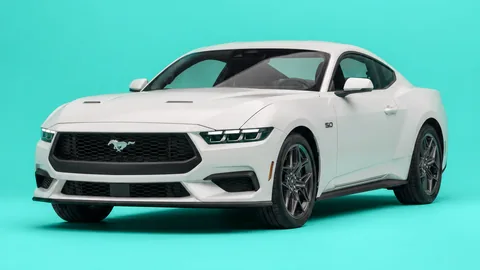
Yes. Both are in the standard NZ lender product set, though they sit in a higher-value and more-specialised underwriting band than a mainstream Ranger. Expect a slightly tighter loan-to-value ratio (often capped around 80 to 90%) and a more thorough assessment of affordability at that price point. Insurance is also materially higher on both vehicles, so factor that into the weekly cost before committing.
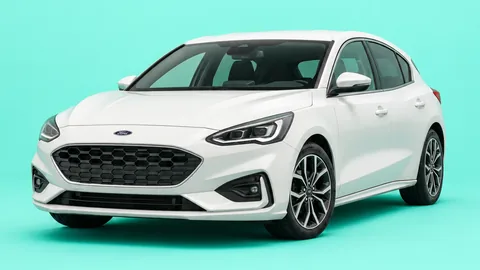
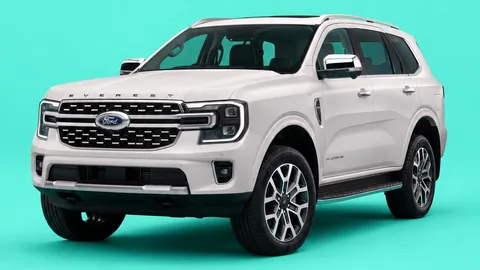
Rarely. MyFord Finance's promotional rates are structured to move new inventory, not used passenger stock. On a used Escape or Focus the Ford dealer finance desk quotes a standard marked-up open-market rate, which an independent broker almost always undercuts by 1 to 3 percentage points. MyFord Finance is the stronger option on new subvented Rangers, not on used passenger Fords.
If the Ranger's trade-in value exceeds your outstanding loan balance (positive equity, which is the common position given Ranger resale), the dealer pays out the old loan and the surplus applies to your next purchase. If it's below the balance (negative equity, rarer on Rangers than on most brands), the shortfall rolls into your new loan. Front-loaded accessory finance or 7-year terms are the usual cause of negative equity on a Ranger.
Read the whole offer, not just the rate. A 0% or 3.9% offer on a current-stock Ranger usually requires a 20 to 30% deposit and a 2 or 3 year term, and the drive-away price is typically held at RRP during the promotion. Owners commonly compare total cost: a 0% deal at RRP may still be cheaper than a 9% open-market deal on the same Ranger negotiated $3,000 off. Many buyers run both through the calculator before signing.
Most NZ secured-car-loan products cap vehicle age at 12 to 15 years at loan-end date, so a 10-year-old Ranger can clear a 3-year term but often not a 5-year one. Ranger parts availability and mechanical reputation are strong, so lenders will usually consider the application, though expect a rate 1 to 2 percentage points above a 3-year-old equivalent and a tighter loan-to-value ratio.
Yes, most NZ lenders allow it but they will scrutinise affordability carefully. If you owe $9,000 on your existing car and are buying a $50,000 Ranger, the new loan becomes $59,000 less trade-in and deposit. The risk is you start the Ranger loan underwater, which extends the time before you build equity back. Selling the old car privately to clear the debt first is usually a cleaner outcome if the timing works.
For a $45,000 used Ranger on a 5-year loan at roughly 8%, finance costs total about $54,700 (principal and interest). Add insurance ($10,000 to $13,000), RUC at 20,000 km a year ($7,600), fuel ($18,000 to $21,000), and servicing plus tyres ($12,000 to $15,000) for a rough all-in of $100,000 to $115,000 over 5 years, or around $400 a week. Business use recovers a meaningful slice via GST and deductions; personal use doesn't.