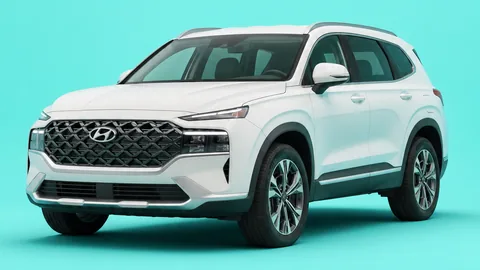
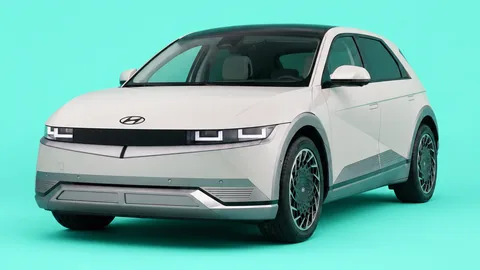
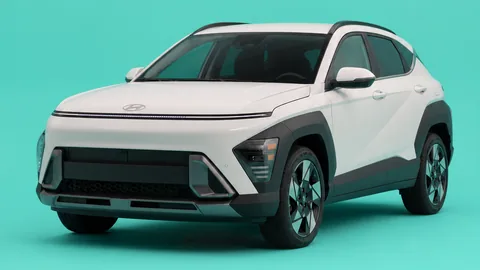
On new Hyundais during an active manufacturer promotion (often EOFY or model runout), the Hyundai Finance offer via the dealer can beat a broker on rate. On used Hyundais, which make up most of the market, an independent broker usually lands 1 to 3 percentage points lower because dealer desks add a commercial margin on top of the base lender rate.
Yes, in most cases. Ioniq 5, Ioniq 6, and Kona Electric typically qualify for green or EV-tier loans from several NZ lenders, usually 0.5 to 1.5 percentage points below a standard used-car rate. Hybrids like Tucson Hybrid and Santa Fe Hybrid sit in a middle ground; some lenders offer a modest discount, others don't. Always ask a broker specifically about the EV tier.
10 to 20% is the common range. On a $25,000 used Tucson that's $2,500 to $5,000. Deposit isn't mandatory for approval, but it typically drops the rate by 0.5 to 1.5 percentage points and reduces negative-equity risk on EVs where residual movement has been softer. Subvented new-car offers often mandate 20 to 30%.
Yes, most lenders fund compliant imports. The rate is typically 0.5 to 1.5 percentage points higher than a NZ-new equivalent because residual data is thinner and the Hyundai NZ factory warranty doesn't apply. On older i30 imports this is usually a reasonable trade-off; on Ioniq imports the warranty gap matters more because EV battery repair costs are higher.
Usually yes on a shorter term. Most NZ secured-car-loan products cap vehicle age at 12 to 15 years at loan-end date, so a 2014 i30 or Santa Fe is fine for a 3-year term but will often fail a 5-year application. Rates run 1 to 2 percentage points above current-generation Hyundai finance, and factory warranty has expired.
The 3-year/100,000 km factory warranty transfers with the car (or up to 5 years/150,000 km if the paid service plan was purchased), not the owner, as long as servicing has been kept up to Hyundai NZ standards. Buying a 2-year-old Tucson from an independent used-car yard still carries warranty cover if service history is complete. A complete service book with dealer stamps is what a cautious buyer confirms before finalising.
Buyers commonly run both scenarios on the calculator. A 0% offer on a Tucson usually locks the car at RRP with a 20 to 30% deposit and a 3-year term. A broker-financed purchase at 8% with $2,500 off the car price can work out cheaper in total cash paid across the term. Many buyers compare total cost, not just the headline rate.
If the trade-in value exceeds your outstanding loan balance, the surplus goes toward the next car. If the balance is higher (negative equity), the shortfall rolls into your new loan. Petrol and hybrid Hyundais on a 5-year term are usually close to balance by year three. Ioniq 5 negative equity risk is higher because used-EV pricing has moved.
Most NZ lenders allow this but will scrutinise affordability more closely. If you owe $7,000 on the current car and are buying a $28,000 Tucson, the new loan becomes around $35,000 less any deposit or trade. Rolled-in negative equity above 15 to 20% of the new car's value, otherwise clearing the old loan via private sale first is usually the smarter path.
Rates are usually identical across the two drivetrains, so the finance difference comes entirely from the 10 to 15% higher purchase price on the Hybrid. On a $30,000 Tucson Hybrid vs $27,000 petrol Tucson at the same rate and term, the weekly difference is around $14. Fuel savings over a year typically offset most of that.
Yes. The exemption on pure EVs ended in April 2024, so Ioniq 5, Ioniq 6, and Kona Electric now pay Road User Charges at the standard light-vehicle rate of $76 per 1,000 km. On 14,000 km a year that's roughly $1,060. That lands on the weekly figure when comparing EV running costs to a petrol or hybrid Hyundai.
For a $25,000 used Tucson on a 5-year loan at 8%, finance totals around $30,400 (principal plus interest). Add insurance (~$6,000), servicing (~$7,000), and fuel (~$10,500 at 15,000 km/year) for roughly $54,000 across 5 years, or around $207 a week. A Santa Fe runs $60,000 to $68,000 all-in, Kona EV slightly lower on fuel but with RUC added back.