
2011-2017 used
$32,000JK generation. 3.6L V6 Pentastar the common pick. Often modified; provenance and LVV-certification paperwork matter.
Weekly
$146.22
Monthly
$633.64
The heritage 4WD in the Jeep NZ range.
Last reviewed: 24 April 2026
Your estimated repayment
Weekly
$251/week
We are not a finance company. Indicative only. Not a quote or offer of credit. Actual rates, fees, and repayments depend on your circumstances and the lender's decision.
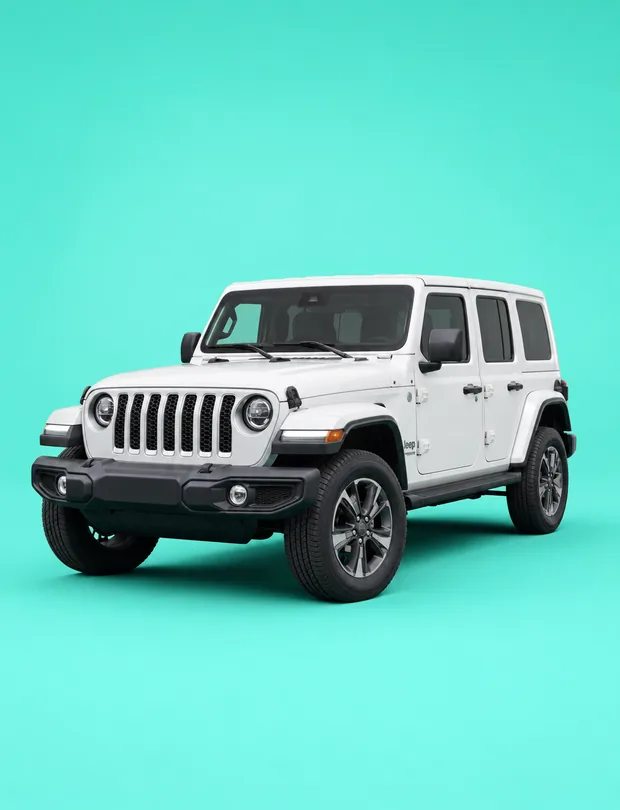 Jeep Wrangler finance calculator Not a lender. Not a broker.
 The Jeep Wrangler is the brand's heritage body-on-frame 4WD and the model with the strongest residual values in the NZ Jeep lineup. Per the Carjam NZ fleet register, volume is modest compared with mainstream SUVs, but the Wrangler has an unusually committed owner base that keeps used-market demand stable even as new-car pricing moves. Finance applications typically sit in the $40,000 to $110,000 band, with the Rubicon 392 at the top and JK-era Sport models at the bottom.
Calculate repaymentsIndicative only. Not a quote or offer of credit.
Year by year
Typical NZ market prices and the weekly cost of financing each. All figures assume 7% over 5 years with no deposit. Indicative only; open the full calculator to pre-set your own rate and term.
2011-2017 used
$32,000JK generation. 3.6L V6 Pentastar the common pick. Often modified; provenance and LVV-certification paperwork matter.
Weekly
$146.22
Monthly
$633.64
2018-2020 used
$52,000JL generation launch. Improved interior and on-road manners; early Uconnect software issues widely resolved by 2019 stock.
Weekly
$237.61
Monthly
$1,029.66
2021-2023 used
$68,000JL facelift era. Rubicon variants widely popular; 4xe PHEV arrives in small NZ-delivered numbers.
Weekly
$310.73
Monthly
$1,346.48
2024+ new
$98,000Current JL generation. Rubicon and Sport Unlimited dominate new-sales volume; 4xe PHEV and Rubicon 392 V8 on allocated order.
Weekly
$447.81
Monthly
$1,940.52
Who this suits
Four real scenarios
Representative NZ buyers and the numbers behind their deals. Weekly and rate figures are indicative and shown for comparison. Your own rate is confirmed by the lender after application.
Central Otago rural property, Rubicon 3.6L V6 primary household vehicle
2023 JL Wrangler Unlimited Rubicon 3.6L Pentastar V6, NZ-new used, 22,000 km
$108,000 · $20,000 deposit, 5 years at 8.45% (indicative)
A Cromwell household on a 6-hectare rural property in their late forties, running the Rubicon as the primary household vehicle across a mix of unsealed Central Otago driveway and lifestyle-property duty, the daily school run into Alexandra, and weekend access into the Nevis Valley and Old Woman Range tracks. The Rubicon was chosen for its factory low-range transfer case and locking differentials supporting the weekend off-road duty while keeping on-road running costs manageable for the daily commute. The 3.6L Pentastar V6 sits between the entry-level 2.0L turbo and the high-horsepower 392 V8, striking a balance between weekend capability and weekly fuel cost. A pre-purchase inspection at a Jeep-experienced independent specialist covering Uconnect software currency, axle-seal condition, and LVV paperwork on a previous owner's winch and auxiliary-light fitment was completed before the broker released funds.
$432 per week
Auckland weekend off-roader on a Rubicon 3.6L V6
2022 JL Wrangler Unlimited Rubicon 3.6L Pentastar V6, NZ-new used, 26,000 km
$108,000 · $20,000 deposit, 5 years at 8.65% (indicative)
An Albany household in their mid-thirties running the Rubicon as a dedicated weekend off-road and 4WD-club vehicle alongside a family daily, with weekend access into the Woodhill Forest Trust, the Maungawhau 4WD area, and regular club meets in the Hunua Ranges. The Rubicon 3.6L Pentastar V6 was chosen over the 2.0L turbo and base Sport trim for the proven V6 reliability on the used market and the factory Rubicon hardware (locking differentials, low-range transfer case, disconnecting sway bar) that delivers the enthusiast off-road capability across weekend use. The 20% cash deposit from the sale of an outgoing JK Rubicon kept the financed balance under $90,000 and moved the indicative rate into the tighter band on the applicant profile. Comprehensive insurance with an agreed value at $108,000 carries the Rubicon-variant theft loading common on NZ insurer data at the Auckland band.
$415 per week
Taupō lifestyle-block household on a Wrangler Sport 4-door
2021 JL Wrangler Unlimited Sport 3.6L Pentastar V6, NZ-new used, 48,000 km
$62,000 · $10,000 deposit, 5 years at 8.55% (indicative)
A Taupō household in their early fifties running an 8-hectare lifestyle block on the Kinloch side, replacing an older JK Wrangler at end-of-cycle with a four-door JL Sport. The four-door Unlimited body was chosen over a three-door Sport for the rear-door access to the back seats given two teenage children, and the base Sport trim was preferred over Rubicon because the property duty doesn't require locking differentials or the electronic disconnecting sway bar. Towing is limited to a single-axle box trailer for feed runs into Turangi. A stamped dealer service history through the Jeep-franchised Rotorua dealer was a material item in the selection against a cheaper private-sale equivalent at the same kilometres.
$253 per week
Coromandel beach-access household on a Wrangler Unlimited
2020 JL Wrangler Unlimited Overland 3.6L Pentastar V6, NZ-new used, 62,000 km
$54,000 · $8,000 deposit, 5 years at 8.75% (indicative)
A Whitianga household in their mid-fifties running the Wrangler as the primary household vehicle and the dedicated beach-access vehicle for Hot Water Beach, Cathedral Cove access tracks, and the Opoutere surf break. The Unlimited Overland trim sits below Rubicon on hardware but above Sport on interior specification, which was the defensible middle ground for a mixed beach, gravel, and sealed-road duty cycle rather than dedicated off-road use. Saltwater exposure drove the selection of a salt-washdown routine after beach trips and a five-yearly underbody rust-treatment cycle at a Coromandel-based specialist, both factored into the ongoing running-cost budget alongside the finance repayment on this structure.
$224 per week
The real number
Five years of real outlay on a representative NZ-new 2024 JL Wrangler Unlimited Rubicon 4-door 3.6L Pentastar V6, financed at 7% over 5 years with no deposit, driven 12,000 km a year from an Auckland base. The 12,000 km figure reflects the common Wrangler pattern of being a primary household vehicle that also carries weekend off-road duty rather than a high-distance daily driver. The weekly finance repayment is the headline, but the 3.6L V6 Pentastar fuel bill, Auckland insurance on an agreed value at $98,000 with Rubicon-variant theft loading priced in, and 33-inch BF Goodrich KO2 all-terrain tyre replacement all shape the true cost per week.
Purchase price
$98,000
NZ-new 2024 JL Wrangler Unlimited Rubicon 4-door at current Ateco Automotive NZ list. Negotiated drive-away pricing on in-stock cars typically sits a touch lower when the distributor runs end-of-quarter stock clearance on current Rubicon specification.
Finance interest
$18,420
Indicative 7% over 5 years, no deposit, amortising. Actual rate is set by the lender after credit assessment. Jeep Finance (via Ateco-associated lender programmes on NZ stock) occasionally prices subvented offers below this benchmark on new Rubicon stock around quarter end, though the delta against a broker-arranged offer is widely reported as modest on Jeep product in practice.
Premium petrol (95)
$27,660
12,000 km/year at 12.5 L/100 km real-world on the 3.6L Pentastar V6 across mixed on-road and weekend off-road use, averaged $2.95/L for 95 premium across the 5 years. Jeep guidance points to 95 minimum for the Pentastar V6, and Auckland urban duty with the boxy body and all-terrain tyres typically skews Wrangler consumption materially worse than highway-heavy profiles. The 392 6.4L V8 variant runs closer to 18 L/100 km real-world, which sits outside this specific Rubicon V6 scenario.
Comprehensive insurance
$14,800
Auckland band for a Rubicon with off-street storage and an agreed value at purchase price: around $3,100 at year 1, trending down as agreed value drops. Rubicon-variant Wranglers have historically shown elevated theft and attempted-theft rates in Auckland on NZ insurer data, and the rag-top or freedom-panel roof on all JL Wrangler variants is widely cited as a theft-risk factor priced into the premium against an equivalent hardtop SUV at the same value.
Scheduled servicing
$4,100
Jeep-franchised dealer scheduled servicing at 12,000 km intervals across five intervals, averaging $720 to $920 per visit, plus a front-brake-pad replacement cycle inside the five-year window. The 12,000 km service interval is a short Jeep characteristic compared with Toyota-range 15,000 km or Land Rover 26,000 km schedules.
Tyres
$3,200
One full set replacement around year 3 to 4 at roughly $2,600 on the 33-inch BF Goodrich KO2 all-terrain fitment that's standard on Rubicon trim, plus rotations and a spare top-up. All-terrain Rubicon tyres typically wear faster than highway-tread equivalents on the Sport and Overland trims, which commonly run closer to $1,800 for a full set.
Rego and WOF
$820
Five yearly registrations, plus a WOF each year from year three. No RUC on the 3.6L Pentastar V6 petrol or the 2.0L turbo petrol; the 4xe PHEV variant (not sold new in NZ) would attract PHEV RUC at a flat rate of $38 per 1,000 km on all distance travelled, which sits outside this specific Pentastar V6 scenario.
Total five-year cash outlay
$167,000
Assumes: 2024 JL Wrangler Unlimited Rubicon 4-door 3.6L Pentastar V6 at $98,000 new, 12,000 km/year across 60,000 km total, real-world 3.6L Pentastar V6 consumption 12.5 L/100 km on 95 premium at $2.95/L, Auckland insurance band with Rubicon-variant theft loading, Jeep-franchised dealer scheduled servicing at 12,000 km intervals, comprehensive insurance on an agreed value at purchase price. Indicative only.
What it's worth later
Wrangler residuals on NZ-new and NZ-delivered stock are generally reckoned unusually strong for a body-on-frame 4WD on the NZ used market, on indicative NZ used-market trends observed across TradeMe and AutoTrader listing patterns for JK and JL stock. The pattern is commonly attributed to a committed enthusiast owner base that keeps used-market demand stable even as new-car pricing moves, the removable-roof-and-doors configuration which has no direct mainstream competitor at the segment, and the Rubicon hardware (electronic locking differentials, disconnecting front sway-bar, low-range transfer case) which is generally taken as holding its appeal to second-owner buyers more strongly than equivalent off-road option packs on crossover-derived peers. This pattern is a similar story to the Suzuki Jimny at a different price point, though the dollar loss on a Wrangler is of course materially larger.
Based on a 2024 JL Wrangler Unlimited Rubicon 4-door purchased new at $98,000. Indicative NZ used-market 2026 pricing.
Year 1
82%
$80,360
First-year drop has historically tracked softer than most body-on-frame 4WD equivalents on NZ data. Rubicon trim typically holds stronger than Sport or Overland trims from what we see, reflecting second-owner demand for the locker and sway-bar-disconnect hardware on the used market.
Year 3
68%
$66,640
A bracket where many NZ-new Wranglers change hands privately between enthusiasts. Factory warranty typically expires around this age on NZ-new stock (3 years/100,000 km from factory). Ex-rental Wrangler stock (Go Rentals and similar South Island tourism fleets) releases into the used channel around this age and sits a step softer than an equivalent privately-owned NZ-new car at the same kilometres.
Year 5
58%
$56,840
Common exit point for five-year consumer-loan buyers. Jeep factory warranty (3 years/100,000 km) has expired for two years on NZ-new stock and the paperwork check on service-book continuity becomes a meaningful item on the used market. A Jeep-franchised-dealer service history with scheduled service entries at 12,000 km intervals is commonly regarded as the single strongest documentation signal on the used JL at this age.
Year 7
48%
$47,040
Used-market supply expands as early JL stock ages into private-sale territory. Loan approvals past this point typically depend on kilometres, Jeep-franchised-dealer service-book continuity, and LVV-certification paperwork on any lift, bumper, winch, or locker modifications. This age bracket is where the JK and JL used pools typically sell on roughly parallel curves, because enthusiast demand stays stable across generations.
Year 10
40%
$39,200
The "enthusiast-hack" phase. Condition, kilometres, and modification quality drive resale more than age from this point, and a well-kept LVV-certified modified Wrangler with strong paperwork typically holds a premium over an uncertified or heavily-used stock equivalent at the same age. The JK 2007-2017 used pool runs on a parallel curve at this age, commonly regarded as the entry point for first-time Wrangler buyers.
Why this matters for finance
On indicative NZ used-market trends, a zero-deposit five-year loan on a new Wrangler historically keeps the amortisation curve running ahead of the value-loss curve, which typically keeps equity positive from around month 14 onwards on a clean Rubicon with a stamped service book. That pattern is uncommon on any body-on-frame 4WD at this price point, and is one frequently mentioned reason five-year and even six-year terms are arithmetically defensible on a Wrangler specifically, where on an equivalently priced crossover SUV a five-year term often finishes close to balance. Households planning to hold long-term past the factory warranty often favour a Rubicon trim over Sport at purchase, because the Rubicon hardware has a reputation as adding materially to the achievable year-seven and year-ten resale.
Financing notes
At $55,000 across a 5-year term at roughly 8.5% indicative, the weekly repayment sits at around $257 or $1,110 a month. Wrangler residuals typically support a standard 5-year term, unlike the Grand Cherokee. Fuel and insurance materially affect the true cost per week; running costs are higher than a mainstream SUV at the same purchase price on indicative NZ market figures.
Before finance settles
The used Wrangler market in New Zealand is fed by two distinct streams: the JK generation (2007 to 2017, 3.6L Pentastar V6 dominant on later cars and the earlier 3.8L V6 on pre-2012 stock) and the current JL generation (2018 onward, 2.0L turbo petrol, 3.6L Pentastar V6, 6.4L 392 V8, and the 4xe plug-in hybrid). On top of that sits a smaller ex-rental pool (Go Rentals, and other South Island tourism operators) on high-kilometre examples. A careful inspection at a Jeep-franchised dealer or an experienced Jeep specialist before finance settles is something almost nobody skips on used Wrangler product, so the lender is pricing the actual vehicle and not a concealed mechanical, electronic, or paperwork issue. Most lenders will expect comprehensive insurance and a clear title; the used-car loan page covers the general process.
The JK generation developed a well-documented front-axle shimmy pattern (commonly called "death wobble") on solid-front-axle Wranglers above 80 km/h after a front-wheel impact, most frequently associated with a tired steering damper, worn track-bar bushings, and loose ball-joint tolerances. A road-test above 80 km/h on a known rough surface and a follow-up suspension inspection at a Jeep-experienced workshop is commonly rated the single most important check on any JK purchase. A refreshed steering damper and track bar with receipts is commonly regarded as a plus on a JK inspection; uncharacterised shimmy without paperwork typically softens the private-sale price materially.
The JL generation runs the Uconnect infotainment system with over-the-air software updates on later cars and dealer-applied updates on earlier JL stock. A dealer diagnostic read at a Jeep-franchised dealer reads in about thirty minutes, surfaces stored fault codes on the body-control module and Uconnect head unit, and confirms that software is current. A lagging Uconnect on a used JL is commonly associated with unclaimed software campaigns through Ateco Automotive NZ, which the franchised dealer applies at no cost where the vehicle is in campaign. An unaddressed Uconnect or body-control module fault is commonly raised in the negotiation before finance is drawn down.
The 4xe plug-in hybrid traction battery on JL Wrangler 4xe variants is a documented cost item outside the factory battery warranty from new through Ateco Automotive NZ. A battery state-of-health check at a Jeep-franchised dealer diagnostic bench reads in under an hour and is commonly requested before any used 4xe purchase. A degraded 4xe traction battery outside warranty is typically a five-figure replacement job, and paperwork of a recent state-of-health check typically adds a meaningful amount to the achievable resale on any used 4xe.
Suspension lifts beyond the LVV threshold, aftermarket bullbars and rear bumpers, winch mounts, auxiliary battery setups, and aftermarket locker installs on non-Rubicon trims commonly require Low Volume Vehicle (LVV) certification where applicable. An LVV plate or certification number is typically requested on any modified Wrangler, because an uncertified structural modification can fail a WOF and commonly invalidates the comprehensive insurance the lender requires on a financed vehicle. Wranglers with full LVV paperwork on modifications typically resell at a premium over uncertified-modified equivalents.
A modest share of NZ-new Wrangler stock, particularly Sport and Overland trims in 2019 to 2022 model years, passed through Go Rentals and similar South Island tourism operators on high-use fleet contracts before releasing to the used market around year two to three of life. Carjam surfaces prior rental-company ownership history on the VIN. Ex-rental Wranglers typically carry materially higher kilometres than privately-owned equivalents at the same age and sit a step softer on achievable resale, though a clean service book and a careful inspection can make them defensible buys at the right price point.
The Trail Rated badge on Rubicon-specified Wranglers signals factory-fitted locking differentials, disconnecting front sway bar, low-range transfer case, and the relevant approach-and-departure geometry. On used JK stock specifically, instances of aftermarket Trail Rated badging applied to non-Rubicon trim Wranglers have been reported in the NZ used market. A Carjam VIN decode and a dealer-verified option-list check confirm factory Rubicon status against a badge-only presentation. Rubicon hardware verification tends to be treated as material because the Rubicon premium over Sport or Overland at the same age typically runs in the five-figure range on achievable resale.
The Wrangler solid-front-axle and solid-rear-axle architecture relies on axle seals that can weep on higher-kilometre examples, particularly on vehicles used regularly through water crossings or wet beach conditions. A short drive including 4H and 4L engagement on a loose surface is a typical part of a pre-purchase inspection. A silent change between 2H, 4H, and 4L is the typical baseline; clunks, whines, or refusal to engage low range commonly indicate a transfer-case or axle repair sitting in four-figure territory. Visible seal weeping at the differential housing is commonly raised in the negotiation before finance settles.
Off-dealer
A meaningful share of used Wrangler transactions in New Zealand sit outside the dealer channel, particularly on JK generation examples and on JL Rubicon private resales between enthusiasts and 4WD club members. Financing a private-sale Wrangler is entirely normal through a broker. The process is simply a couple of extra steps because there's no dealer sitting between the borrower and the lender, and on a body-on-frame 4WD with strong modification culture the paperwork and LVV-certification check matters materially more than on a mainstream unibody SUV.
An indicative broker pre-approval before negotiating with the seller is a common first step on any private-sale Wrangler. Pre-approval in hand typically signals to the seller that you are funded, which often strengthens the negotiating position on a privately listed 4WD where private asking prices tend to start optimistic on Rubicon and 392 stock specifically.
Running the VIN through Carjam is the usual opening check. Any secured interest listed on the PPSR must be cleared by the seller before or at settlement; an uncleared interest means the lender who financed the last owner still has claim over the vehicle. On 4xe PHEV stock specifically, a PPSR secured-interest clearance is commonly regarded as material because the larger loan size on new 4xe purchases frequently means a live secured interest is still on the VIN on privately-listed low-mileage examples.
A specialist pre-purchase inspection at a Jeep-franchised dealer or an independent Jeep specialist, rather than a generic AA or VTNZ check, counts as essential in practice on any used Wrangler because Wrangler-specific items (JK front-axle shimmy, Uconnect software currency, 4xe battery state of health, LVV modification paperwork, Trail Rated badge authenticity, axle-seal condition) are surfaced more reliably by a Jeep-trained technician. The specialist inspection typically costs $280 to $520 and commonly uncovers items a generic mechanical check would miss.
The broker typically needs the purchase details (VIN, agreed price, odometer, seller bank details) to arrange a direct payment to the seller at settlement, rather than to you. Direct-to-seller disbursement is the widely preferred pattern on private sales and protects both sides from mid-transaction disputes.
Vehicle transfer through NZTA online happens on the same day as settlement, and the lender typically files its own security interest on the PPSR at that point. On a modified Wrangler the LVV certification paperwork is typically requested at this step alongside the transfer, because the comprehensive insurance the lender requires is commonly conditioned on valid LVV certification covering every modification.
Usually a loan condition
Comprehensive insurance is almost always a loan condition while the Wrangler is on finance, because the vehicle is the lender's security, and on a body-on-frame 4WD with an agreed value typically above $50,000 the policy premium materially affects the real weekly cost of ownership. Rubicon-variant Wranglers have historically shown elevated theft and attempted-theft rates in Auckland on NZ insurer data, and the rag-top or freedom-panel roof on all JL Wrangler variants is widely cited as a theft-risk factor priced into the premium against an equivalent hardtop SUV at the same value. The bands below are indicative NZ market numbers at 2026 for a Wrangler with a clean driver record; Rubicon 392 trims may see a materially higher performance loading, and actual quotes are widely verified before being used as a budgeting figure.
Auckland
$2,600 to $3,500
JL Wrangler Unlimited Rubicon or Overland, off-street parking
Auckland shows the higher end of Wrangler theft claim frequency on NZ insurer data, with a particular pattern of targeted theft on late-model JL Rubicon examples through 2021 to 2024. AMI, State, Tower, and the premium-brand insurers (Vero, NZI) typically price a meaningful loading against an equivalent hardtop Toyota Prado or Ford Everest at the same agreed value. The 392 6.4L V8 variant carries an additional performance loading that typically pushes premiums to the upper bound or above.
Wellington
$2,000 to $2,700
JL Wrangler Unlimited Sport or Overland, street or off-street parking
Lower theft rates than Auckland, but weather-driven damage and flooding claims through the Wellington hills are priced in on a vehicle with the Wrangler's wading-depth credentials. Multi-vehicle and multi-policy discounts typically bring the final figure toward the lower end of the band on a Wrangler running alongside a second household car on the same policy.
Canterbury and Otago
$1,600 to $2,300
JL Wrangler Sport, Overland or JK Rubicon, rural or off-street
Lower theft risk and typically better parking outcomes across Canterbury, Otago, and the rural North Island lifestyle-block belt. Rural-use ticks, lifestyle-block declarations, and paid-up claim-free driver discounts often drop the final figure further on a Wrangler used as a household primary or weekend vehicle. Central Otago and Queenstown bands typically sit in the same range as Canterbury rather than the Auckland band.
Get actual quotes before settling. Insurance cost varies with credit profile, kilometres, and excess choices more than these bands can show.
Compare Jeep car insuranceThe direct alternatives
The Jeep Wrangler sits in a relatively unusual bracket on the NZ market because few direct rivals match the removable-roof-and-doors enthusiast 4WD proposition. The closest peers are the Toyota Prado on genuine body-on-frame 4WD credentials at a different price and body style, the Suzuki Jimny at the far cheaper end of ladder-frame 4WD, the Ford Everest on seven-seat ladder-frame 4WD with stronger family-SUV credentials, and the Land Rover Defender on premium-priced modern body-on-frame 4WD. All four cross-shop with the Wrangler in different scenarios, and every comparison carries a genuine two-sided trade-off.
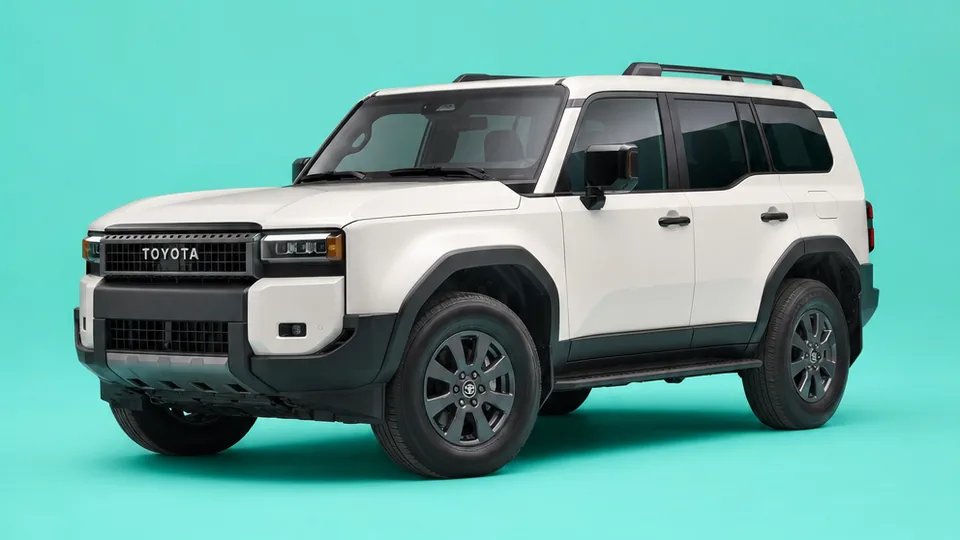
Competitor
$72k-$105k new (250-series VX), $28k-$68k used (150-series)
Prado generally holds the stronger long-hold residual on the Japanese-4WD curve, the more extensive rural NZ dealer and service network, and the seven-seat body with stronger third-row accommodation; Wrangler generally holds the more distinctive enthusiast 4WD with the removable-roof-and-doors configuration, the factory locker and sway-bar-disconnect hardware on Rubicon trim, and the wider aftermarket ecosystem for LVV-certified modifications. Households that prioritise rural service-network depth and seven-seat family duty often favour Prado; households that prioritise off-road enthusiast hardware and the removable-roof configuration typically favour Wrangler.
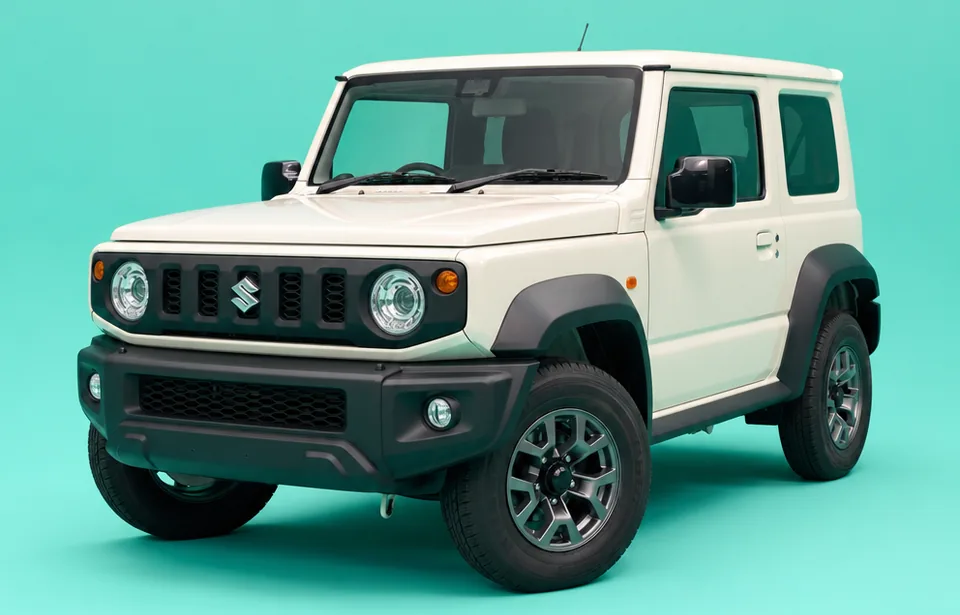
Competitor
$32k-$42k new (JB74 Sierra), $18k-$34k used
Jimny is generally considered the far cheaper entry into genuine ladder-frame 4WD, the more parking-friendly footprint in tight urban and trail environments, and the unusually strong depreciation curve for the price point; Wrangler tends to be reckoned the materially more capable off-roader with factory lockers and sway-bar disconnect on Rubicon trim, the removable roof and doors, and the four-door body option for school-run and family duty that the Jimny doesn't offer. Buyers for whom purchase price is the primary constraint often favour Jimny; buyers who need four-door family duty alongside enthusiast 4WD capability typically favour Wrangler.
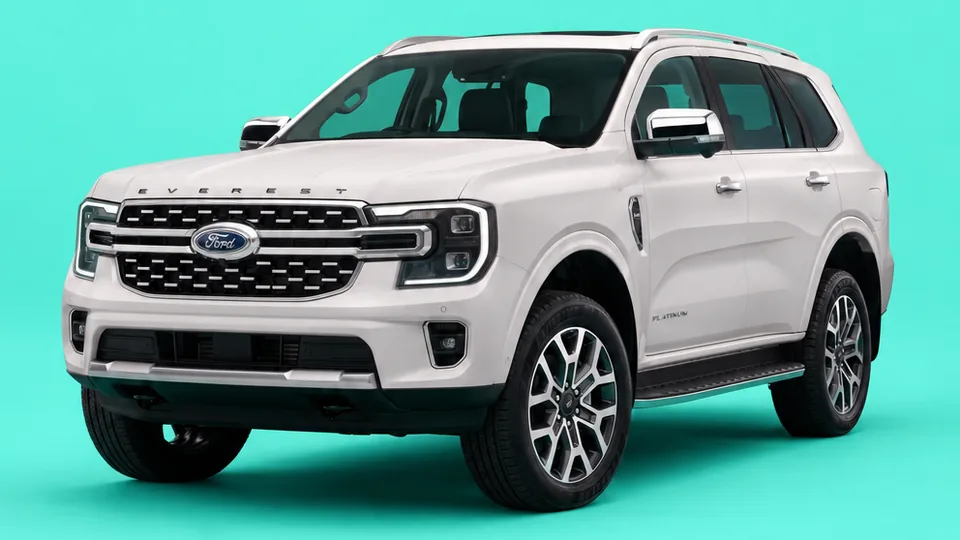
Competitor
$68k-$92k new, $35k-$72k used
Everest usually holds the stronger family SUV with the seven-seat body, more refined on-road manners across long-distance duty, and the broader rural Ford dealer network for servicing through the Ranger platform commonality; Wrangler most owners find it the more distinctive enthusiast 4WD with the removable-roof-and-doors configuration, the factory Rubicon locker hardware, and the unusually strong absolute residual curve for the price point. Households that prioritise seven-seat family duty and long-distance on-road comfort often favour Everest; households that prioritise enthusiast 4WD character and the removable-roof configuration typically favour Wrangler.
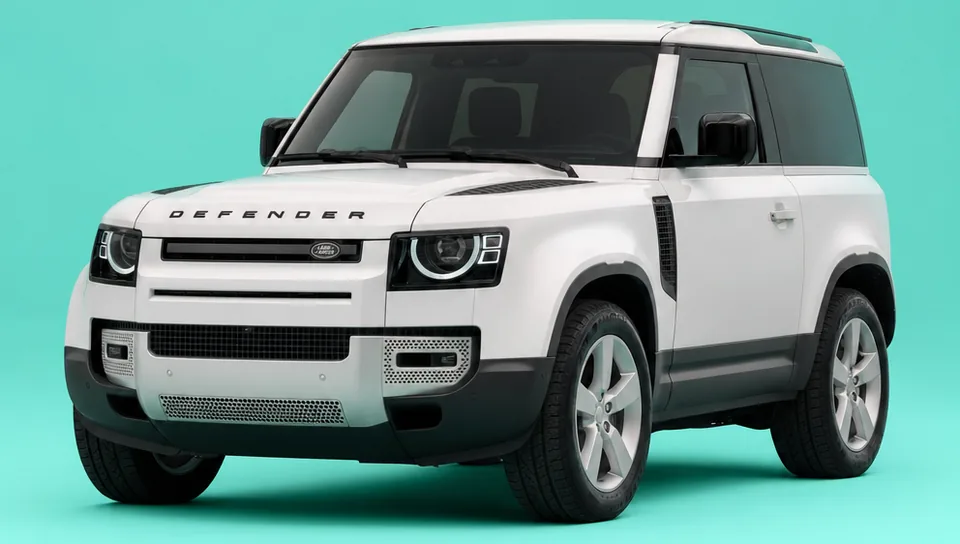
Competitor
$125k-$215k new, $75k-$165k used
Defender is usually the more refined premium-4WD cabin execution with a materially higher trim ceiling, the broader drivetrain ladder (petrol, diesel, PHEV, V8), and the more modern electronic chassis architecture; Wrangler reads as the more affordable entry into enthusiast body-on-frame 4WD, the removable-roof-and-doors configuration that the Defender doesn't offer, and the factory Rubicon locker hardware at a materially lower price than equivalent Defender off-road packs. Buyers who prioritise premium cabin execution and the broader drivetrain ladder often favour Defender; buyers who prioritise the removable-roof configuration and the enthusiast-4WD price point typically favour Wrangler.
Worked example
Buyer profile
Central Otago lifestyle-block household, mid-fifties, one adult child at university in Dunedin, clean credit file. Both PAYE employees at Cromwell-based viticulture and professional-services firms, running a 6-hectare block on the Bannockburn side with regular unsealed-road duty, weekend access into the Nevis Valley and Old Woman Range tracks, and school-holiday family trips across the Crown Range to Wanaka. Trading up from an older JK Wrangler Unlimited Sport at 160,000 km because the JK had reached the natural replacement point and the household wanted to step up to a four-door JL with the improved on-road manners for the daily Cromwell-to-Alexandra commute.
Scenario
Bought a 2023 JL Wrangler Unlimited Overland 3.6L Pentastar V6 at $82,000 from a private-sale listing in Wanaka, 34,000 km on the clock with factory warranty expiring around mid-2026 (3 years from purchase) and a stamped Jeep-franchised service book at every scheduled interval. Sold the outgoing JK Wrangler privately through TradeMe for an agreed $26,000 before entering negotiations on the JL. Added a $12,000 cash deposit from a term-deposit maturity, and financed the remaining $44,000 over 5 years at 8.55% indicative via a secured consumer loan through an independent broker, after a head-to-head comparison with a Jeep Finance captive offer that landed a touch behind the broker on the day. A specialist pre-purchase inspection at a Jeep-experienced Otago workshop covering Uconnect software currency, axle-seal condition, and LVV paperwork on a previous owner's auxiliary-light fitment was completed before the broker released funds, and direct-to-seller disbursement was arranged at settlement after a Carjam and PPSR clearance.
The outcome
In this scenario, cash-flow impact at settlement was meaningful but contained, because the weekly finance cost of about $332 sat roughly $90 above the weekly running cost the household had been absorbing on the older JK in its final year of reliability-driven maintenance spend. The switch from the JK Sport 3.6L Pentastar V6 at real-world 13.5 L/100 km on 91 regular petrol to the JL Overland 3.6L Pentastar V6 at real-world 12.0 L/100 km on 95 premium typically saves roughly $90 a year at 12,000 km a year and the price delta between 91 and 95, partly offset by the 95-premium requirement on the JL which shifts the absolute fuel-bill pattern against the JK that accepted 91.
On the balance sheet, this is a personal-name consumer loan with no GST or business-use deductibility in play, so the tax treatment is simpler than a chattel-mortgage purchase. A Central Otago lifestyle-block household considering the same Wrangler under partial business use (block operations, viticulture contracting income) would generally be looking at a chattel mortgage structure and different GST and deductibility outcomes, with fringe-benefit tax exposure where the vehicle is also available for private use, all of which sit outside this scenario and remain subject to the accountant's confirmation on the specific business position.
Through year one on these assumptions, the loan balance sits meaningfully below the Wrangler's likely trade-in value on indicative NZ used-market trends, which is a common pattern on any Wrangler financed with a 15% cash deposit because Wrangler residuals historically track a step stronger than most body-on-frame 4WDs in the same window. The amortisation curve typically catches and then stays ahead of the value-loss curve from around month 10 to 14 on this structure, and equity stays positive across the full term on these assumptions. That is a widely cited reason the Wrangler finances unusually well for its price point, and why a five-year term is arithmetically defensible on a Wrangler specifically where on a same-price European crossover SUV a five-year term often finishes close to balance or underwater.
At year five on these assumptions, the loan settles and the Wrangler is unencumbered at around eight years old and circa 94,000 km. On indicative NZ used-market trends, a comparable 2023 JL Overland at year five of ownership (year seven of vehicle age) is expected to trade in the high-$40k range through 2029 Otago dealer channels, which for this Central Otago household supports either a sell-and-replace into a newer JL or then-current generation Wrangler on a similar structure, or a long-hold keep-and-use pattern with negligible capital loss across the back half of the ownership. The discipline that makes this pattern work is keeping the five-year loan to term rather than refinancing into a longer term mid-way, keeping the Jeep-franchised service-book continuity intact across every scheduled interval, and maintaining LVV paperwork on any future modifications because on a Wrangler the presence of a full dealer service record and valid LVV certification on any mods typically move achievable private-sale pricing materially at the five-year mark.
Illustrative example. Not a promise of approval or rate. Your circumstances and the lender's own credit decision will determine your actual outcome.
Model-specific questions
At a 7% indicative rate over five years with no deposit, a used JK Wrangler around $32,000 runs at roughly $142 a week, a mid-era JL Unlimited Sport around $55,000 sits near $244 a week, and a new 2024 JL Rubicon at $98,000 sits near $434 a week. Actual rates are set by the lender after assessment, so these figures are illustrative only. An independent broker comparison across multiple NZ lenders helps identify a well-placed approval.
For a new Wrangler with a clean credit record and a deposit, indicative rates from mainstream lenders sit in the 7 to 9% range. Used Wranglers typically land in the 8 to 11% range, reflecting the asset risk to the lender. Modified or ex-rental stock can push higher where the lender treats the asset as harder to value, and a full LVV-certification paperwork trail is commonly regarded as material in keeping the rate inside the standard band.
On a used Wrangler under $45,000, zero-deposit loans are available for borrowers with a clean file, and a 10 to 20% deposit still typically helps the rate and reduces total interest. On a new Wrangler at $85,000 to $140,000 a deposit becomes materially useful. In practice, 20% down on a $98,000 Rubicon commonly moves the lender's indicative rate noticeably and saves several hundred to a few thousand dollars in total interest over a five-year term, with the actual effect depending on the lender and the applicant.
The 4xe is a plug-in hybrid rather than a pure EV, so most NZ lenders price it as a standard secured car loan on a high-value asset rather than an EV-tier green-loan product. A handful of lenders offer discounted PHEV or low-emission rates on qualifying stock, though delivered 4xe volume in NZ is modest. The 4xe traction battery adds a documented cost item outside the factory warranty that lenders commonly reflect in the term cap, and a recent battery state-of-health check from a Jeep-franchised dealer is widely requested on used 4xe purchases.
Yes, typically. Rubicon-trim Wranglers have historically shown elevated theft and attempted-theft rates on NZ insurer data, and the Rubicon 392 6.4L V8 carries an additional performance loading. From what we see, an Auckland Rubicon with an agreed value near $100,000 and off-street storage commonly sits in the $2,600 to $3,500 per year band, while a Wellington or Canterbury Rubicon on the same structure typically sits noticeably lower. The rag-top and freedom-panel roof on all JL trims is also widely cited as a theft-risk factor priced into the premium against equivalent hardtop SUVs at the same value.
Lenders generally finance modified Wranglers where every structural modification holds valid LVV (Low Volume Vehicle) certification paperwork at settlement. Lifts beyond the LVV threshold, aftermarket bumpers, winch mounts, auxiliary tanks, and aftermarket lockers on non-Rubicon trims typically require certification. An uncertified structural modification can fail a WOF and commonly invalidates the comprehensive insurance the lender requires on a financed vehicle, which is a hard issue at settlement. Wranglers with full LVV paperwork typically resell at a premium over uncertified-modified equivalents.
Both finance through standard secured car loan products at broadly similar rates to each other on the applicant profile. The JK (2007-2017) is cheaper to buy but has older interior tech, the earlier front-axle shimmy pattern to diligence, and softer on-road manners. The JL (2018+) is more expensive but with meaningfully better daily-driver comfort, Uconnect infotainment, and factory warranty coverage on later stock. On indicative NZ used-market trends, a five-year loan on a JL typically finishes in stronger equity than an equivalent loan on a JK because depreciation is flatter from 2019 stock onward.
Yes, ex-rental Wranglers are routinely financed as used vehicles on NZ broker books. Carjam surfaces prior rental-company ownership history on the VIN, and lenders typically price ex-rental stock on the actual kilometres and condition rather than a specific rental discount. Typically, ex-rental Wrangler Sport and Overland trims from 2019 to 2022 commonly carry materially higher kilometres than privately-owned equivalents at the same age and sit a step softer on achievable resale, which means a sharper purchase price and a careful pre-purchase inspection together make these defensible buys at the right number.
Used-import Wranglers from the Japanese market arrive in small numbers and are financeable where the borrower profile and the asset support it, but the import pool is thin compared with NZ-new stock and the resale curve is commonly regarded as a step softer than the NZ-new equivalent. A Carjam check against the Japanese auction sheet is standard, odometer history and the import-compliance paperwork are widely verified before approval, and lenders sometimes cap terms shorter on import Wrangler stock. Allowed imports are limited by NZTA emissions and right-hand-drive rules that apply to the segment.
Five years is the common default for personal use on both used and new Wranglers. Seven-year terms are available and are arithmetically defensible on a Wrangler specifically because resale typically holds well, though total interest grows quickly on longer terms. On indicative calculator settings, a seven-year term on a $70,000 loan at 8.5% costs around $7,500 more in interest than a five-year term on the same loan. For buyers on a regular replacement cycle, a three or four-year term more commonly aligns the loan with the trade-in point.
Yes. The common first step is an indicative broker pre-approval before negotiating, so the buyer is bidding as a funded buyer. A Carjam report typically verifies the VIN, odometer, and any existing secured interest on the PPSR, and on 4xe PHEV stock a live secured interest is commonly still on the VIN given the larger original loan size on the new purchase. A specialist pre-purchase inspection at a Jeep-franchised dealer or Jeep specialist at $280 to $520 is generally taken as worth the cost, and the broker arranges direct-to-seller disbursement at settlement after the PPSR clears.
Yes, and refinancing can pay off where circumstances have improved materially (credit score up, income up, existing debts paid down). The Wrangler has a reputation as a strong refinance candidate because resale typically stays strong enough that a new lender will often approve against it. Before refinancing, the original loan is commonly checked for early-repayment fees, with the total-interest saving worked out net of those fees. In practice, breaking a subvented Jeep Finance rate rarely improves the position, while breaking a standard broker or bank rate sometimes does.
Comprehensive insurance on an agreed value is almost always a loan condition while the Wrangler is on finance, because the vehicle is the lender's security. Third-party-only cover is rarely accepted on a financed Wrangler. Rubicon-variant theft loading typically applies on the Auckland band, and Rubicon 392 V8 commonly attracts an additional performance loading. Lenders sometimes require an OBD-port lockout accessory or a proximity-attack-resistant key pouch on newer JL stock in the Auckland band, particularly where the vehicle sits at kerbside rather than off-street storage.
You might also want
Amount
$50,000 car loan
Close to a typical Wrangler price.
See pageJeep model
Jeep Grand Cherokee finance
The premium-SUV seven-seat option in the Jeep NZ range.
See pageLoan type
Used car finance
Most Wrangler finance in NZ is on used vehicles.
See pageBrand
All Jeep models
Finance across the Jeep range.
See pageOur finance partner compares multiple NZ lenders. Calculator inputs travel through to the application, and the partner returns a formal estimate after the lender's credit assessment.
Disclaimer
A car loan runs for years, and the repayment comes out of the same pay that covers everything else. This site exists to show you that weekly number before you sign anything. The payment that catches people out is the one that's fine on a good week and tight on a bad one.
Carfinance.org.nz receives a commission from Simplify when a visitor applies through this site and their application is approved. We refer every visitor to the same partner because they compare multiple New Zealand lenders on the applicant's behalf, so the referral is not driven by a sponsored deal. Simplify sets its own terms and fees and discloses them directly; anything you agree to happens on their side, not ours. Every figure shown on this site is a modelled estimate based on the inputs entered; the actual rate, fees, and repayments are set by the lender after assessing the applicant's circumstances and its own credit decision. Carfinance.org.nz is a calculator and information tool. We are not a lender, not a broker, and not a registered financial adviser. Any decision about whether a specific loan suits a specific situation is best made after talking with the lender, and for amounts that materially affect the household, with a registered financial adviser.
Connecting you with a trusted NZ finance partner
One moment while we hand you over securely. Nothing was collected on our side.