Skip to content
Carfinance.org.nz
Polestar logo EV-forward

Polestar car finance calculator

Published 23 April 2026 · Last reviewed 23 April 2026 · Disclaimer

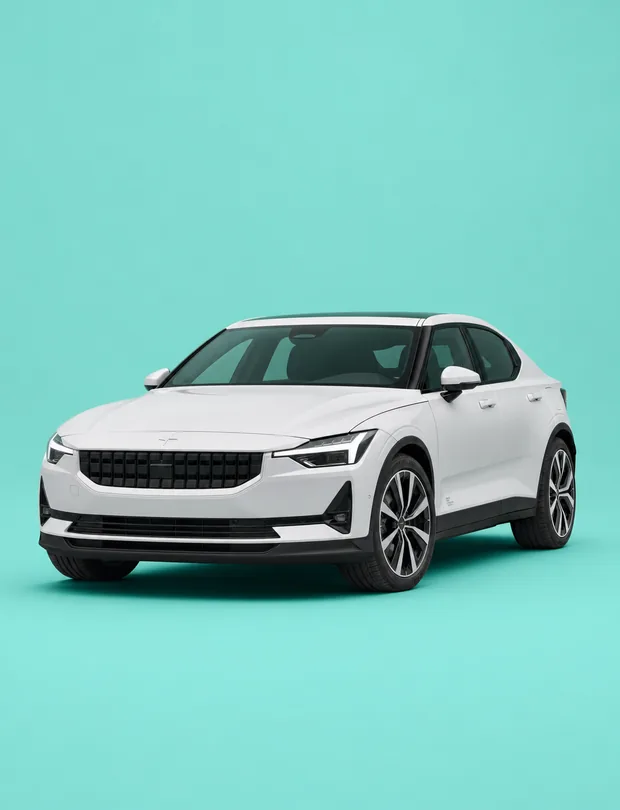
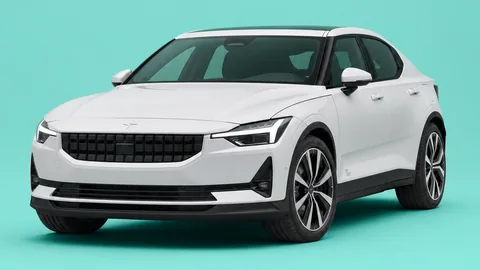
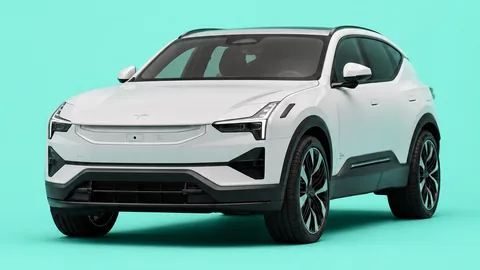
A small-volume premium EV brand in New Zealand, financed mostly by professionals in Auckland, Wellington, and Christchurch. Polestar NZ sells direct rather than through a dealer franchise, with Polestar Spaces in Auckland and Christchurch handling most of the handover. Lender familiarity with the brand is still growing: the Polestar 2 fastback (arrived 2021) has enough used-market data to support standard EV finance, while the Polestar 3 SUV is new enough that residual assumptions are thin. NZ range runs from a $45,000 used Polestar 2 Standard Range to a $170,000 Polestar 3 Performance Pack.

Your estimated repayment

Weekly

Disclaimer

$320/week

$640 /fortnight $1,386 /month
$70,000
$0
7.00% p.a.
5 years

We are not a finance company. Indicative only. Not a quote or offer of credit. Actual rates, fees, and repayments depend on your circumstances and the lender's decision.

Why this brand finances well

What lenders look for in a Polestar.

  • Used Polestar 2 pricing has reset lower through 2024-2025, so 2021-2022 cars sitting around $45,000 to $55,000 open premium-EV ownership at a loan bracket that previously only covered mainstream hybrids.
  • Dedicated EV loan tiers from several NZ lenders apply cleanly to Polestar 2 and Polestar 3, typically landing 0.5 to 1.5 percentage points below the standard used-car rate when a broker asks for the EV product by name.
  • Battery warranty runs 8 years and covers the most expensive single mechanical risk on the car, which takes one major underwriting worry off the table across any realistic loan term.
  • Volvo service-network overlap means Polestars can usually be serviced at Volvo dealers outside the two Space cities, which lenders view as positive for residual recovery in Tauranga, Hamilton, Dunedin, or Queenstown.
  • Polestar NZ finance is arranged through partner lenders rather than a captive finance arm, so manufacturer-subvented rates are rare and an independent broker is usually competitive on day one.

Buyer notes

Where to get the best Polestar rate.

Because Polestar NZ does not run a captive finance arm like Toyota Financial Services or Ford Credit, there is no manufacturer-subvented rate to benchmark against. Practical path: get an independent broker quote with the EV loan tier explicitly requested, then let the Polestar Space show their partner-lender rate alongside. On a Polestar 2, the broker typically lands lower; on a Polestar 3, still early-life residuals can push lenders to quote conservatively and a comparison matters more.

No sign-up on our site. Our finance partner compares NZ lenders and returns a formal estimate after the lender's credit assessment.

New vs used

Financing a new Polestar vs a used one.

Polestar finance in New Zealand diverges more on model than on age. The Polestar 2 has enough 2021-2023 used supply for lenders to price it like any other premium EV, while the Polestar 3 is new enough that the used-market path barely exists yet.

Path 1

New Polestar

Compare the Space partner quote against a broker EV rate

  • Polestar NZ does not run a captive finance arm, so there is no subvented rate equivalent to Toyota Financial Services or Ford Credit.
  • The Space will introduce a partner lender who prices the loan at their standard commercial rate, which a broker can often match or beat.
  • Deposit expectations on a new Polestar 3 tend to be higher (20 to 30%) because lender residual confidence on a brand-new premium EV platform is still forming.
  • Direct-sales pricing means no traditional dealer margin on the vehicle, which removes one of the usual reasons to prefer independent finance.

Verdict

Ask the Polestar Space for their partner-lender offer, then ask a broker for their EV tier on the same car. On Polestar 2, the broker usually wins; on Polestar 3, the gap is narrower because residual risk keeps both quotes conservative.

Path 2

Used Polestar

Broker-led, with a shorter term

  • Used Polestar 2 pricing has moved down noticeably since 2024; lenders now quote residuals more conservatively than they did in 2023.
  • Battery warranty runs 8 years regardless of ownership change, so a 2022 Polestar 2 bought in 2026 still has four years of battery cover across a typical loan.
  • Service-history verification is easier on Polestar than on parallel-import brands because NZ-new cars dominate the used pool.
  • Dealer-added mechanical breakdown insurance is usually unnecessary while the factory warranty is still running.

Verdict

Start with a broker EV tier quote and keep the term at 4 to 5 years. The 2024-2025 premium-EV price reset means residual assumptions are still moving, so avoid long terms that bet on stability the market has not yet shown.

Rule of thumb

Polestar 2 buyers start with a broker EV tier quote and pick a 4 to 5 year term. Polestar 3 buyers benchmark the Space partner quote against a broker on the same day, and expect a higher deposit than on an equivalent-priced Volvo XC60.

Total cost of ownership

What a Polestar really costs beyond the finance line.

Polestar running costs are lower than a comparable petrol premium SUV on fuel and servicing, but higher on insurance and tyres. Factor RUC back in since the April 2024 policy change; it now applies to every Polestar on NZ roads.

  • Servicing and consumables

    Averaged across a year. Polestar 2 services are lighter than a BMW i4 or petrol Volvo XC60 because there is no engine oil, cam-belt, or emissions work, though the Polestar 3 pushes toward the top of the range because of larger tyres and heavier brake wear.

    $60 to $140 per month
  • Insurance (full cover)

    Polestar 2 sits in the $1,800 to $2,600 band, higher than a Tesla Model 3 because parts supply is thinner and repair networks are still building. Polestar 3 runs $2,800 to $3,600 because of vehicle value and aluminium body-repair cost.

    $1,800 to $3,600 per year
  • Electricity (home and public charging)

    Based on 14,000 km a year at typical NZ off-peak home rates for a Polestar 2 Long Range. Polestar 3 runs higher because it is a heavier SUV with lower kWh per 100 km efficiency. Chargenet DC charging lifts the figure further on long-trip households.

    $700 to $1,300 per year
  • Road User Charges (all EVs)

    Applies to every Polestar following the April 2024 change that removed the EV RUC exemption. At 14,000 km a year, that is roughly $1,060, which needs to be added to the weekly running budget.

    $76 per 1,000 km
  • Tyres

    Polestar 2 runs 19 or 20-inch rubber that wears faster under EV torque than on a petrol sedan. Polestar 3 on 21 or 22-inch sets is the top end. Typical replacement every 35,000 to 50,000 km depending on driving style.

    $1,400 to $2,800 per set

Worth knowing

Polestar 2 vs petrol BMW 330i at the same finance weekly

On equivalent 5-year finance, a $55,000 used Polestar 2 and a similar-priced used BMW 330i land at a comparable weekly repayment, but the Polestar typically runs $2,000 to $3,200 cheaper a year across fuel saved against RUC and electricity, lower servicing, and no emissions-related consumables. Insurance narrows the gap on the Polestar side, and tyre cost sits roughly even.

Resale and equity

How Polestar resale shapes your finance decision.

45 to 55%

value retained, 3-year-old Polestar 2

thin

Polestar 3 used data, market still forming

50 to 55%

mainstream-brand market average

Polestar resale is honestly softer than lenders assumed two years ago. A wave of premium-EV price cuts through 2024 and 2025, led by Tesla but picked up across the segment, pulled new Polestar 2 pricing down and dragged used values with it. A 2022 Polestar 2 that traded around $60,000 in 2023 now typically sells closer to $45,000 to $50,000, which sits below where most lenders were pricing the 4-year residual.

The Polestar 3 story is different but not yet settled. There is too little used stock to quote a reliable retention figure, and lenders are pricing residual risk on the Polestar 3 conservatively because the platform is too new for NZ-specific data. That shows up as higher deposit requirements and shorter offered terms on Polestar 3 finance.

Match your Polestar term to the model and the deposit. A 4 to 5 year loan on a used Polestar 2 with a 15 to 20% deposit is usually comfortable; a 7-year term gambles on residuals the 2024-2025 reset has not yet tested. Polestar 3 buyers should expect lenders to prefer 5 years and a larger deposit until used-market data fills in.

Things to avoid

Polestar finance traps we flag honestly.

An opinionated list. The commercial side of this site has no incentive to tell you these things, so we do.

Premium-EV residual volatility after the 2024 market reset

Lender residual models for Polestar 2 lagged behind the 2024-2025 new-EV price cuts, leaving some 2022-2023 buyers above market value by year two. Keep deposits above 15% and terms at 5 years or less until residual assumptions stabilise, so a mid-term trade does not require topping up the lender.

Skipping the EV loan tier and paying the standard rate

Several NZ lenders price Polestar at their dedicated EV tier, but the dealer-side partner quote through Polestar NZ is often at standard commercial rates. Letting that ride on a $55,000 Polestar 2 loan over 5 years costs roughly $1,500 to $3,500 extra in interest. Ask a broker for the EV tier by name.

Polestar 3 insurance premiums that break the monthly budget

Polestar 3 insurance runs materially higher than Polestar 2 because of vehicle value, aluminium body repair, and thin NZ claims history. Buyers pricing affordability on Polestar 2 numbers and stepping up to a Polestar 3 often underbudget by $1,000 to $1,800 a year, which undoes the finance gain of a slightly lower rate.

7-year terms on a premium EV with thin residual data

Stretching a $75,000 Polestar 3 loan to 7 years drops the weekly to keep it feeling affordable, but the premium-EV segment has not yet produced 7-year residual data NZ lenders trust. You are likely to sit above market value through years 3 to 5. Keep Polestar terms at 5 years maximum and use the weekly bite as a signal you have bought too much car.

Assuming Polestar NZ finance matches an EV-specialist broker

Because Polestar NZ arranges finance via partner lenders rather than a captive arm, the Space quote is usually a standard commercial rate rather than a subvented one. A broker who regularly writes EV loans and asks for the EV tier explicitly tends to land 0.75 to 1.5 percentage points lower on a like-for-like application.

Drivetrain economics

Hybrid vs petrol vs EV on a Polestar.

Polestar is a pure-EV brand in New Zealand. There is no petrol, hybrid, or diesel version of any current Polestar model, so the drivetrain decision is really between battery size and single-motor or dual-motor within the EV range.

Electric (Polestar 2 and Polestar 3)

Dedicated EV loan tier, but premium-EV residuals still moving

  • Several NZ lenders apply their EV loan tier to Polestar, typically 0.5 to 1.5 percentage points below a standard used-car rate; ask a broker for the EV product by name.
  • Road User Charges of $76 per 1,000 km apply to every Polestar from April 2024, which needs to be built into the weekly budget alongside the finance line.
  • Polestar 2 Long Range Single Motor is usually the cheapest configuration to finance and run; Polestar 3 Performance Pack is the most expensive across every line, not just purchase.
  • Used-EV residuals in the premium segment reset through 2024-2025, so the lender's residual assumption can change meaningfully year to year; refresh your quote if you delay a purchase by more than a couple of months.

Break-even heuristic

Practical heuristic for Polestar: the total-cost case works best for buyers doing more than 12,000 km a year with home charging, where the fuel and servicing saving against a similar-priced petrol premium car clears the RUC and higher insurance. Under 8,000 km a year the total-cost gap narrows to the point where a petrol Volvo XC40 or BMW 3 Series can be cheaper across a 5-year loan.

Case study

Worked example: financing a 2022 Polestar 2 Long Range Single Motor

The buyer

Senior software engineer in Wellington, age 36, strong credit, $155,000 annual salary, replacing a 2018 BMW 330i with a 35 km daily commute between Kelburn and the CBD plus regular weekend trips to Martinborough.

The scenario

Purchasing a 2022 Polestar 2 Long Range Single Motor for $52,000 privately, after the 2024-2025 premium-EV reset pulled used pricing down from around $63,000. Trade-in on the BMW 330i: $28,000. Battery warranty remains until 2030 on the Polestar. Broker arranges an EV loan tier through a mainstream NZ lender.

The outcome

Monthly household cash-flow impact is roughly $494, which sits well inside the buyer's post-tax income and leaves room for the RUC obligation that the previous BMW 330i did not carry.

Because the broker asked specifically for the EV loan tier, the quoted rate landed around 0.9 percentage points below the standard used-premium-car rate the Polestar Space partner lender had offered initially, saving roughly $750 in interest across the 4-year term.

Annual running cost sits at around $4,100 including electricity (~$900), RUC at 14,000 km (~$1,060), insurance (~$2,100), and servicing (~$400 averaged across the term). That is roughly $2,600 a year below what the BMW 330i was costing on premium fuel, servicing, and emissions-adjacent consumables, even after RUC is added.

At year four the Polestar 2 is expected to sit between $30,000 and $36,000 based on current premium-EV depreciation curves, adjusted for the 2024-2025 reset. The loan is fully paid off, battery warranty still runs until 2030, and the buyer has a clean position to either keep the car a further two to four years or trade into the next EV when the cycle suggests.

Illustrative example. Not a promise of approval or rate. Your circumstances and the lender's own credit decision will determine your actual outcome.

Affordability check

What can I afford on my income?

A rough sanity check. We assume repayments should sit under 10% of your take-home pay, with a 5-year term at 7%.

Not an affordability assessment. Real lender decisions consider all your debts, expenses, and history.

$70,000
$20k $250k

Indicative safe loan

$30,000

At ~$135/week

Stretch maximum

$45,000

Only with no other debts

Apply this to the calculator

Common questions

Polestar finance FAQ.

Does Polestar NZ offer a manufacturer-subvented finance rate like Toyota or Ford?

No. Polestar NZ operates a direct-sales model through its Auckland and Christchurch Spaces and arranges finance via partner lenders rather than a captive finance arm. That means there is no Polestar-backed subvented rate equivalent to Toyota Financial Services or Ford Credit. An independent broker asking for an EV loan tier is usually competitive from day one.

Do Polestars qualify for EV-specific finance rates in New Zealand?

Yes, in most cases. Several NZ lenders apply their dedicated EV loan tier to Polestar 2 and Polestar 3, typically landing 0.5 to 1.5 percentage points below a standard used-car rate. Ask a broker for the EV product by name, because the Polestar Space partner-lender quote is often at standard commercial pricing rather than an EV tier.

How much deposit is typical for financing a Polestar?

15 to 25% is common on a used Polestar 2, reflecting the 2024-2025 premium-EV price reset and lender caution on resale. A new Polestar 3 often attracts a 20 to 30% deposit expectation because residual data on the platform is still thin. A larger deposit also drops the offered rate by 0.5 to 1 percentage point on most applications.

Does RUC apply to my Polestar now?

Yes. The EV RUC exemption ended in April 2024, so every Polestar on NZ roads now pays Road User Charges at the light-vehicle rate of $76 per 1,000 km. At 14,000 km a year that is roughly $1,060. It does not change the finance rate, but it should be built into the weekly total-cost calculation before you commit.

Is the Polestar factory warranty strong enough to skip dealer-added mechanical breakdown insurance?

Usually yes while you are inside the Polestar NZ warranty window, which runs 5 years on the vehicle and 8 years on the battery per the manufacturer policy. The battery cover is the single most important piece on an EV, and it stays with the car through ownership changes. Dealer-added MBI tends to duplicate what you already hold through the warranty.

How has the 2024-2025 premium-EV price reset affected Polestar finance decisions?

Used Polestar 2 values softened noticeably through 2024 and 2025 as new-EV pricing was cut across the premium segment. Lender residual assumptions are catching up, which shows as larger deposit requirements and more conservative term lengths on Polestar. Practical response: keep the term at 5 years or less and the deposit above 15% to reduce the chance of sitting above market value mid-term.

Can I finance a parallel-imported Polestar from Australia or the UK?

Essentially no, in practical terms. Polestar NZ dominates supply through its direct-sales model and parallel imports are rare, compliance-complex, and typically do not come with NZ warranty support. Most NZ lenders will look carefully at an imported Polestar, factory-warranty gap is a real underwriting issue, and the rate premium usually wipes out any upfront price saving.

Is Polestar 3 harder to finance than Polestar 2?

Slightly, yes, because the Polestar 3 platform is newer and NZ lenders have less residual-value data than on the Polestar 2. Expect a tighter loan-to-value ratio (often capped around 80%) and a preference for a 5-year rather than 6 or 7-year term. Insurance premiums are also materially higher on Polestar 3, which shows up in affordability rather than approval.

Can I service a Polestar outside Auckland and Christchurch?

Yes, in most cases. Polestar NZ shares service capability with parts of the Volvo dealer network, so servicing is often available in Wellington, Hamilton, Tauranga, Dunedin, and other main centres through Volvo workshops. That wider touchpoint is one reason lenders view Polestar resale more favourably than a pure two-Space footprint would otherwise support.

What happens to my Polestar finance if I trade the car in mid-term?

If the trade-in value exceeds your outstanding balance, the surplus applies to the next purchase. If the balance is higher (negative equity), which has been more common on Polestar 2 through the 2024-2025 reset than on a petrol Volvo equivalent, the shortfall rolls into the new loan. Larger deposits and shorter terms on the original Polestar loan reduce this risk.

Can I finance a Polestar older than 5 years in New Zealand?

Pre-2021 Polestars barely exist in NZ because Polestar 2 only launched here in 2021 and the original Polestar 1 was a limited-production hybrid. For Polestar 2 approaching 5 years old from 2026, most lenders will fund on a shorter 3 to 4-year term at a modest rate premium. Battery warranty still applies because the 8-year cover is tracking behind the vehicle cover.

What is the typical total cost of ownership for a financed Polestar 2 over 5 years?

For a $55,000 used Polestar 2 Long Range on a 5-year loan at 8.25% (EV tier), finance totals around $67,100 (principal plus interest). Add insurance (~$11,500), servicing (~$3,500), electricity (~$4,500), and RUC (~$5,300 at 14,000 km a year) for roughly $92,000 across 5 years, or about $354 a week. Polestar 3 runs materially higher on insurance and tyres.

About this article
Published
23 April 2026
Last reviewed
23 April 2026

Methodology

All repayment figures on this page are calculated live from the inputs you enter into the calculator using the standard amortised-loan formula. Indicative rates reflect publicly-advertised NZ secured-car-loan and EV loan tier rates observed across mainstream lenders in the twelve months before last review. Polestar 2 and Polestar 3 price bands are observed from recent TradeMe, AutoTrader, and Polestar NZ listings, cross-checked against the 2024-2025 premium-EV pricing reset. Running-cost figures draw from EECA Gen Less, AA New Zealand, Consumer NZ, and Chargenet published rates, with insurance bands sampled from current NZ full-cover quotes on 2022-2024 Polestar 2 stock. We review annually, or sooner if RUC policy shifts or Polestar NZ adjusts pricing.

Sources

Apply for Polestar finance.

Our finance partner compares NZ lenders and returns a formal estimate after the lender's credit assessment. Calculator inputs travel through to the application so nothing gets re-typed.

All brands

Disclaimer

A car loan is a commitment that runs for years, and repayments come out of the same pay cheque as everything else. Before committing, it is worth modelling the weekly and monthly cost against the household budget, which is what this site is built to help with. Borrowing at a level that stays comfortable on a bad week, not a good one, is widely regarded as the safer frame.

Carfinance.org.nz earns a commission from a partner brand when a visitor applies through this site and their application is approved. That commission is paid by the partner, not the applicant, and it does not influence the rate the lender offers. We refer every visitor to the same partner because they compare multiple New Zealand lenders on the applicant's behalf, so the recommendation is not driven by a sponsored deal. Every figure shown on this site is a modelled estimate based on the inputs entered; the actual rate, fees, and repayments are set by the lender after assessing the applicant's circumstances and own credit decision. Carfinance.org.nz is a calculator and information tool. We are not a lender, not a broker, and not a registered financial adviser. Any decision about whether a specific loan suits a specific situation is best made after talking with the lender, and for amounts that materially affect the household, with a registered financial adviser.