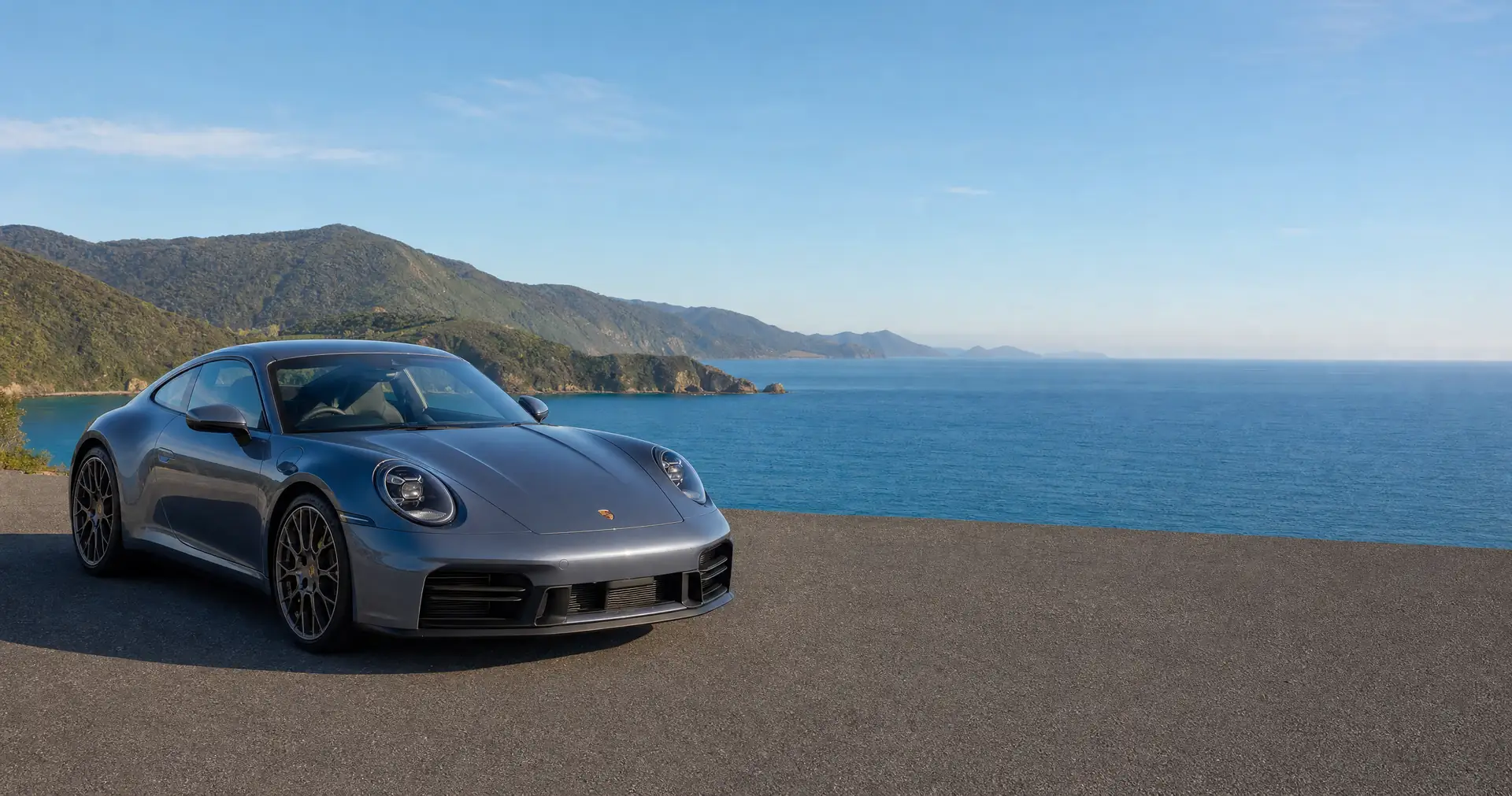
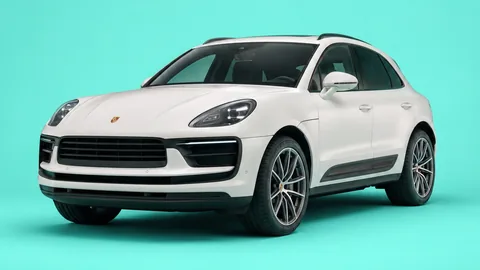
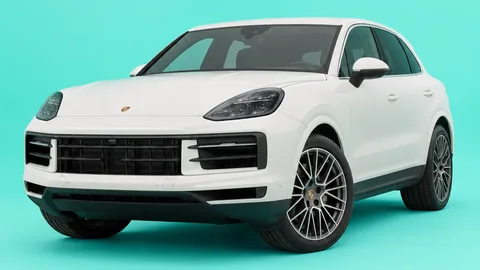
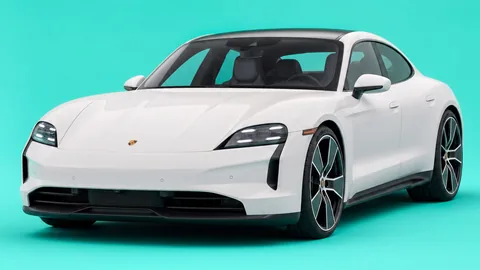
Sometimes, during a specific subvention window on a specific model and quarter. PFS runs occasional subvented offers on 911, Macan, Cayenne, and Taycan through Giltrap Porsche (Auckland) and Porsche Centre Christchurch (Miles Group), which a broker cannot match because the discount is funded by Porsche rather than the lender. Outside those windows, a broker-sourced premium secured-car rate typically lands within half a percentage point of PFS, and a chattel mortgage through a specialist asset-finance lender can beat both if the car has business use.
If the Porsche will touch a business meaningfully, the business path almost always wins on after-tax cost at this price level. A chattel mortgage or finance lease lets the business claim GST on purchase, deduct interest and depreciation, and keep the vehicle on balance sheet. An accountant comparison between consumer finance and a chattel mortgage on a $120,000-plus Macan or Cayenne is almost always worth the hour it takes.
Yes, most NZ lenders fund UK-imported Porsches provided the vehicle has cleared NZ entry compliance, has documented UK main-dealer service history, and passes a pre-purchase inspection. A well-documented UK Porsche typically attracts the same rate as an NZ-new equivalent; a thin-history or previously-damaged UK car often attracts a 0.5 to 1.5 percentage point premium and a shorter maximum loan term.
Yes, at most NZ lenders on NZ-new applications. The EV tier discount typically sits 0.5 to 1.5 percentage points below the equivalent premium petrol secured-car rate on a Taycan through the Giltrap Porsche network. Confirm tier eligibility explicitly when the broker quotes, because some lenders apply km, age, or loan-amount caps that can exclude a handful of Taycan scenarios.
20 to 30% is common on Porsche loans, materially higher than the 10 to 20% mainstream benchmark. On a $180,000 Cayenne that's $36,000 to $54,000. Larger deposits reflect the higher absolute loan principal, the lender's conservatism on older premium residuals, and the buyer's typical cash-flow profile. On a 911 GT3 or Turbo S, deposits of 30 to 40% are not unusual because the absolute exposure is large and agreed-value cover discussions shape the application.
Yes on a shorter term, provided the car passes a pre-purchase inspection focusing on IMS bearing, bore-scoring, and coolant-system condition. Most NZ secured-car loans cap vehicle age at 12 to 15 years at loan-end date, so a 1999 to 2001 996 often clears a 3-year term but fails a 5-year application. Rates sit 1 to 2 percentage points above current-generation pricing. A specialist classic-car lender is sometimes a better fit than a mainstream secured-car product on air-cooled 911.
If your trade-in is worth more than the balance still owing, the surplus comes off your next car. On a 911 this is unusually common because residuals often track close to or above the amortisation curve across 3 to 5 years, especially on manual and GT-badged variants. On Macan, Cayenne, and Panamera, negative equity in the back half of a 5-year loan is more likely than on a 911, which is one reason lenders often prefer 3 to 4 year terms on those models.
Generally yes on any remaining balance of the 3-year Porsche NZ factory warranty (confirm with Giltrap Porsche or Porsche Centre Christchurch for the specific vehicle), provided the car was sold NZ-new and service records are intact through the Porsche NZ service network. Porsche Approved Pre-Owned certification through an authorised dealer typically extends coverage further. UK-imported Porsches don't carry Porsche NZ factory warranty, which shifts mechanical-breakdown risk fully to the buyer and shapes insurance and MBI decisions at signing.
Some lenders will fund an 11kW or 22kW wall-box install as part of a Taycan finance package, typically adding $4,000 to $8,000 to the principal where switchboard upgrades or three-phase work is needed. Rolling the install into a 4 to 5 year loan adds interest across the term; a separate asset-finance line or a cash purchase is usually cheaper. Several NZ electricity retailers offer EV-charger finance at low or zero interest worth comparing.
On a GT-badged 911 or any heavily modified 911, Cayman, or Boxster, agreed-value cover through a specialist motor insurer (Star Insure, Vero Specialist Vehicles, or a classic-car underwriter) is the safer path than market-value cover through a mainstream insurer. Lenders typically require the agreed-value policy to be in place before the loan draws down, because a total-loss payout below the loan balance on a $300,000-plus car is a material credit event. Buyers commonly budget insurance into the weekly cost picture before signing the loan.
Often yes. Porsche Approved certification through Giltrap Porsche or Porsche Centre Christchurch requires a multi-point inspection, a full service history review, and factory-backed warranty extension on the remaining term. Lenders treat Approved stock as lower residual risk, which often translates to a sharper rate (0.25 to 0.5 percentage points) and longer-term availability. The Approved price premium over a similar grey-dealer car typically runs $5,000 to $15,000, which is often offset by warranty coverage and finance terms.
For a $140,000 NZ-new electric Macan on a 4-year loan at 8.2%, finance costs total approximately $165,500 including interest. Add insurance (around $12,000), servicing (around $3,000 annually), home charging at typical NZ off-peak rates (around $3,000 over 4 years), RUC at $76 per 1,000 km for 12,000 km a year (around $3,600), and brake wear (low on EV; around $1,500) for a rough all-in of $192,600 over 4 years, or roughly $925 a week before GST and deductibility adjustments. Running costs sit below an Audi Q6 e-tron equivalent at the same weekly repayment but higher than non-premium EV options.