
2011-2014 used
$11,000Fourth-generation SJ. 2.5L boxer petrol common. Typical 170,000 to 220,000 km by 2026.
Weekly
$50.26
Monthly
$217.81
Subaru's AWD family SUV and the brand's volume anchor.
Last reviewed: 24 April 2026
Your estimated repayment
Weekly
$101/week
We are not a finance company. Indicative only. Not a quote or offer of credit. Actual rates, fees, and repayments depend on your circumstances and the lender's decision.
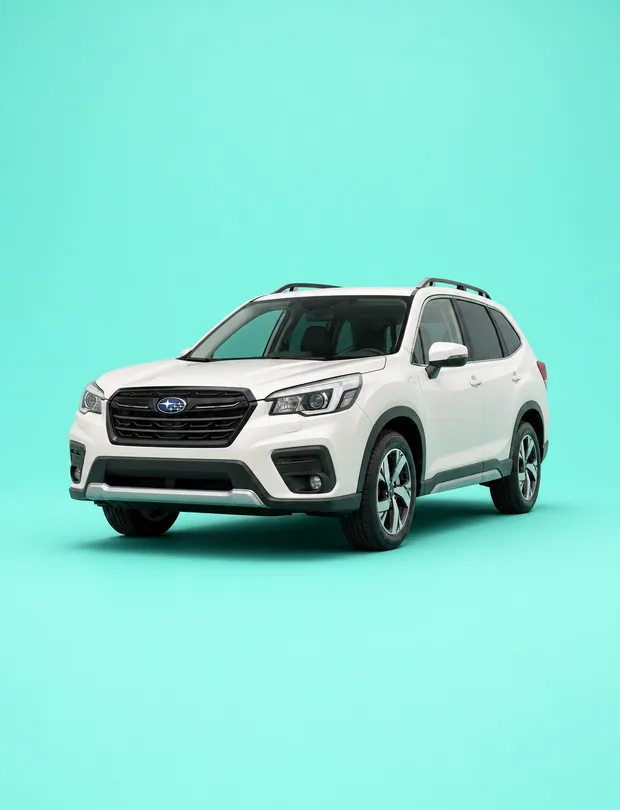 Subaru Forester finance calculator Not a lender. Not a broker.
 The Forester is Subaru's core family and lifestyle SUV in New Zealand, cross-shopped primarily against the Toyota RAV4, Mazda CX-5, and Honda CR-V on the mainstream end, and against AWD variants of the X-Trail and Tucson for households that specifically want permanent symmetrical AWD. Both NZ-new Foresters and Japanese-import Foresters populate the used market; the import stream sits mainly in the sub-$15,000 bracket on older generations.
Calculate repaymentsIndicative only. Not a quote or offer of credit.
Year by year
Typical NZ market prices and the weekly cost of financing each. All figures assume 7% over 5 years with no deposit. Indicative only; open the full calculator to pre-set your own rate and term.
2011-2014 used
$11,000Fourth-generation SJ. 2.5L boxer petrol common. Typical 170,000 to 220,000 km by 2026.
Weekly
$50.26
Monthly
$217.81
2015-2018 used
$18,000SJ facelift. Infotainment refresh. Diesel Forester available in this era as a used option.
Weekly
$82.25
Monthly
$356.42
2019-2022 used
$28,000Fifth-generation SK. EyeSight safety tech standard; e-BOXER mild hybrid introduced.
Weekly
$127.95
Monthly
$554.43
2023+ new/nearly-new
$48,000Current Forester with e-BOXER or petrol. Premium and Sport trims the common pick.
Weekly
$219.34
Monthly
$950.46
Who this suits
Four real scenarios
Representative NZ buyers and the numbers behind their deals. Weekly and rate figures are indicative and shown for comparison. Your own rate is confirmed by the lender after application.
Wānaka ski-commuter household
2021 Sport e-BOXER AWD, 58,000 km used
$36,500 · Secured consumer loan, 5 years at 8.25% (indicative)
An Albert Town household running a daily Cardrona and Treble Cone commute through winter, trading a higher-kilometre Outback for a newer Forester because the lower body damage exposure in tight resort car parks was attractive. A 10% deposit from the Outback private sale reduced year-one negative-equity exposure. Symmetrical AWD with X-Mode was a genuine functional requirement rather than a marketing preference, and on indicative NZ used-market trends a comparable Sport e-BOXER at the end of this term typically trades in the mid-twenties at 2031 values.
$172 per week
Gisborne outdoor-lifestyle family
2022 Premium e-BOXER AWD, 41,000 km used
$42,000 · Secured consumer loan, 5 years at 8.25% (indicative)
A Wainui Beach family upgrading from a 2016 Impreza hatch now that the household covers surf-club shuttles, Waioeka Gorge grandparent runs, and a weekly gravel-road trip to a leased lifestyle block above Makaraka. The Impreza was sold privately for $9,000 against a $3,000 cash deposit. Full comprehensive cover was a lender condition, and a roof-bar surfboard system was added under the Subaru-approved accessory catalogue rather than aftermarket, which kept the insurer and the lender comfortable.
$197 per week
Tauranga second-car household
2019 2.5i-S petrol AWD, 72,000 km used
$27,500 · $5,500 deposit, 4 years at 9.0% (indicative)
A Mount Maunganui dual-income household running the Forester as the second family car alongside a paid-off ute. Used mostly for school runs and weekend Kaimai trips with kayaks on the roof. A 20% deposit from a matured term deposit kept the financed balance modest, and a four-year term on a clean-credit application landed at a weekly the household could absorb without touching the ute-side budget. The 2.5i-S was chosen over the e-BOXER because the household average trip distance rarely rewarded the hybrid premium at this stage.
$138 per week
Invercargill AWD-in-winter commuter
2020 2.5i-L petrol AWD, 88,000 km used
$25,000 · Secured consumer loan, 5 years at 8.75% (indicative)
A single-income Invercargill commuter covering 22,000 km a year on the Bluff and Winton runs through Southland winters where black ice on SH1 is a genuine daily consideration. Symmetrical AWD plus winter tyres on four corners from May to September was the functional reason the Forester was chosen over a front-drive equivalent. A five-year consumer loan at 8.75% indicative kept the weekly inside the household budget that had previously carried a paid-off Impreza.
$126 per week
The real number
Five years of real outlay on a representative NZ-new 2024 Forester Premium e-BOXER AWD, financed at 7% over 5 years with no deposit, driven 18,000 km a year. The finance repayment is the part you can see. The rest of the cost arrives quietly. On a Subaru AWD, the set-of-four tyre-replacement rule matters because symmetrical AWD calls for matched tread depth across all four corners, which pushes the tyre line higher than most FWD comparisons in the segment.
Purchase price
$55,000
NZ-new 2024 Forester Premium e-BOXER AWD at list. Negotiated drive-away price typically sits a touch lower when dealer stock is on the yard at quarter end.
Finance interest
$10,330
Indicative 7% over 5 years, no deposit. Actual rate is set by the lender after assessment.
Petrol
$19,650
18,000 km/year at 7.8 L/100 km real-world on the e-BOXER mild hybrid, averaged $2.80/L across the 5 years. The mild-hybrid system trims urban fuel use modestly rather than dramatically, so real-world economy typically sits only a little below the petrol-only 2.5i.
Comprehensive insurance
$7,500
Mid-band for a Premium e-BOXER with off-street storage: around $1,600 at year 1, trending down as agreed value drops. Auckland postcodes typically lift this band by $200 to $400 a year.
Scheduled servicing
$2,400
Subaru capped-price schedule at roughly $400 per 15,000 km interval across six intervals. The horizontally-opposed engine requires specific service items that add modestly to each visit against comparable inline-four SUVs.
Tyres
$2,400
Subaru symmetrical AWD calls for matched tread depth across all four corners, so a single failed or prematurely-worn tyre typically triggers a full set-of-four replacement rather than one or two. One full set around year 4 at roughly $1,800, plus rotations and a spare top-up.
Rego and WOF
$1,000
Five years of annual rego, and a yearly WOF from the third year on. No RUC on the petrol-hybrid e-BOXER; the self-charging Forester hybrid isn't classed the same as a plug-in RUC-exposed variant.
Total five-year cash outlay
$98,280
Assumes: 2024 Forester Premium e-BOXER AWD at $55,000 new, 18,000 km/year, real-world fuel use 7.8 L/100 km at $2.80/L averaged across the term, mid-band insurance, Subaru capped-price servicing at 15,000 km intervals. Indicative only.
What it's worth later
Forester depreciation on NZ-new examples has historically tracked among the firmer mainstream-SUV curves observed on the NZ used market, per TradeMe and AutoTrader listing patterns across Subaru NZ-delivered SJ and SK stock. Strong resale is one often named reason lenders take a comfortable view on Forester loans at standard terms, and a five-year Forester loan with a modest deposit typically stays above water from around year two onward. Japanese-import Foresters sit on a separate, softer curve because residual data on JDM trims is thinner in NZ.
Based on a 2024 Forester Premium e-BOXER AWD purchased new at $55,000. Indicative NZ used-market 2026 pricing.
Year 1
80%
$44,000
First-year drop tracks the mainstream-SUV average. Subaru NZ stock waitlists through 2023 into early 2024 softened this a little on e-BOXER variants specifically, less so on the petrol 2.5i.
Year 3
65%
$35,750
Factory warranty coverage lapses around this point on most trims. A bracket where many family upgraders trade in before running costs step up and the set-of-four tyre replacement looms.
Year 5
54%
$29,700
Common exit point for five-year consumer-loan buyers. Subaru's NZ-new resale has historically held two to four percent firmer at this age than the mainstream five-year SUV average from what we see.
Year 7
42%
$23,100
Japanese-import SK Foresters typically start arriving on the NZ used market in volume around this age, which historically pulls a few percent off NZ-new resale as import supply builds.
Why this matters for finance
On indicative NZ used-market trends, a zero-deposit five-year loan on a Forester Premium e-BOXER historically sees the amortisation curve catch the value-loss curve somewhere between month 20 and 24, which typically keeps equity positive through the back half of the term. Subaru's NZ-new resale has a reputation as firmer than the mainstream-SUV average, which is one reason five-year terms with modest deposits are arithmetically defensible on NZ-new Foresters specifically. Longer seven-year terms typically work on NZ-new stock where they are less comfortable on Japanese-import examples, which sit on a separate, softer curve.
Financing notes
At $22,000 across a 5-year term at 8% indicative, the weekly repayment sits at roughly $105 or around $454 a month. On a current-generation Forester with Subaru NZ factory warranty remaining, most of a standard loan term sits inside the warranty window. The AWD all-four-tyre replacement rule typically add $1,500 to $2,000 to the running-cost budget around year three or four alongside the weekly.
Before finance settles
The used Forester market in New Zealand is fed by both NZ-new stock across the SJ and SK generations and a steady flow of Japanese imports. The horizontally-opposed boxer engine and symmetrical AWD introduce failure modes and checks that a conventional inline-four FWD comparison simply doesn't have. A careful inspection before finance settles most owners call it money well spent, so the lender is pricing the actual vehicle and not a concealed mechanical or provenance issue. Most lenders will expect comprehensive insurance and a clear title; the used-car loan page covers the general process.
The fourth-generation SJ uses Subaru's Lineartronic CVT. Harsh engagement from standstill, unusual whine under mid-throttle load, or a juddering transition around 40 to 60 km/h is commonly raised at a pre-purchase inspection as items worth investigating before finance is drawn down. A CVT fluid-flush service record around 100,000 km has a reputation as a plus on any SJ at this age.
A Subaru dealer scan tool reads the mild-hybrid lithium-ion battery state of health in about twenty minutes and typically costs under $150. Material degradation before 150,000 km is uncommon typically, and the mild-hybrid system is less fragile than a full traction-battery hybrid because the battery does far less work. Paperwork of a recent state-of-health check is commonly regarded as a plus on any e-BOXER over four years old.
A Carjam report separates NZ-new stock from Japanese imports and flags the odometer history on imports. JDM Foresters typically show a price saving of 15 to 25% against equivalent NZ-new kilometres, but lenders usually apply a slightly higher indicative rate on imports because residual data on Japanese-spec trim is thinner. The Japanese auction sheet, where available, commonly settles any doubt about condition grade and real odometer.
Subaru symmetrical AWD runs all four wheels together, so tread-depth mismatch greater than around 3mm across the set typically stresses the centre differential and AWD clutch pack. Uneven tread wear on a used Forester, or two new tyres on one axle beside two worn tyres on the other, is a regularly raised red flag at inspection. A full-set matched tread measurement is typical as one of the cheapest, highest-signal checks on any used Forester.
The FB25 (2013+) and FA20 DIT engines use a timing chain rather than the older EJ belt. Chain stretch and tensioner wear have been reported on higher-kilometre examples, typically above 180,000 km. A cold-start listen for chain rattle that persists beyond the first few seconds is the common screening check; a confirmed stretch is typically a $2,500 to $3,500 job. Paperwork of a prior chain and tensioner replacement is commonly regarded as a plus rather than a red flag at this age.
A stamped Subaru service book, or a recognised NZ Subaru specialist's history, tends to add a couple of thousand dollars to the achievable resale on a four to six-year-old Forester, based on NZ used-market listing patterns. Boxer engines and symmetrical AWD reward specialist attention, and a full specialist history is commonly regarded as the single strongest signal on an otherwise unremarkable 2.5i-S or Premium e-BOXER.
Off-dealer
A meaningful share of used Forester transactions in New Zealand sit outside the dealer channel, especially on older SJ examples and on Japanese-import SK variants traded between enthusiast households. Financing a private-sale Forester is entirely normal. The process is simply a couple of extra steps because there's no dealer sitting between the borrower and the lender.
An indicative rate from an independent broker before approaching the seller is a common first step. Pre-approval in hand typically signals to the seller that you are funded, which often strengthens the negotiating position on a privately listed Forester.
A Carjam or MotorWeb report on the VIN is the common first move. Any secured interest listed on the PPSR must be cleared by the seller before or at settlement; an uncleared interest means the lender who financed the last owner still has claim over the vehicle. Imported Foresters also commonly show prior odometer readings against the current reading, which is the single most useful fraud check on JDM stock.
A pre-purchase inspection with AA, VTNZ, or a recognised Subaru specialist typically costs $150 to $300 and commonly uncovers items a keen amateur would miss. On SJ examples (2013-2018), attention to CVT condition and any history of fluid changes is commonly regarded as worthwhile. On e-BOXER examples (2020+), a mild-hybrid battery state-of-health scan is the parallel check.
The broker typically needs the purchase details (VIN, agreed price, odometer, seller bank details) to arrange a direct payment to the seller at settlement, rather than to you. Direct-to-seller disbursement is the widely preferred pattern on private sales.
Vehicle transfer through NZTA online happens on the same day as settlement, and the lender typically files its own security interest on the PPSR at that point. The buyer drives away with clear title and a single registered security interest in the lender's name.
Usually a loan condition
Comprehensive insurance is almost always a loan condition while the Forester is on finance, because the vehicle is the lender's security. Premiums vary widely by region, trim, storage, and driver record. The bands below are indicative NZ market numbers at 2026 for a Forester Premium e-BOXER AWD with a clean driver record; actual quotes are widely verified before being used as a budgeting figure.
Auckland
$1,500 to $2,000
Premium e-BOXER AWD, off-street parking
Auckland shows the highest Forester theft rates on NZ insurer data, though noticeably below the RAV4 and Hilux lines. AMI, State, and Tower typically price a premium for kerbside parking; garaged or off-street storage tends to drop premiums materially.
Wellington
$1,200 to $1,650
Sport e-BOXER AWD, street parking
Lower theft rates than Auckland, but weather-driven damage and windscreen-chip claims are priced in. Multi-vehicle and multi-policy discounts typically bring the final figure toward the lower end of the band on a Forester used as the family daily.
Canterbury / Southland
$950 to $1,400
2.5i-S or Premium AWD, rural or off-street
Lower theft risk and typically better parking outcomes. Winter-driving AWD use is a common justification for full comprehensive cover rather than third-party in Southland specifically. Paid-up claim-free discounts often drop the final figure further on a Forester running as a household daily.
Get actual quotes before settling. Insurance cost varies with credit profile, kilometres, and excess choices more than these bands can show.
Compare Subaru car insuranceThe direct alternatives
The Subaru Forester, Toyota RAV4, Mazda CX-5, Nissan X-Trail, and Honda CR-V sit within a few thousand dollars of each other on most trim comparisons. All finance on broadly similar indicative rates at the same applicant profile. The meaningful differentiator on the Forester is symmetrical AWD as standard rather than AWD as a trim upgrade, which changes the real-world use-case fit in Southland, Central Otago, and on lifestyle-block properties; on weekly cost, the differences show up in resale, drivetrain mix, dealer network, and known issues rather than in the repayment figure itself.
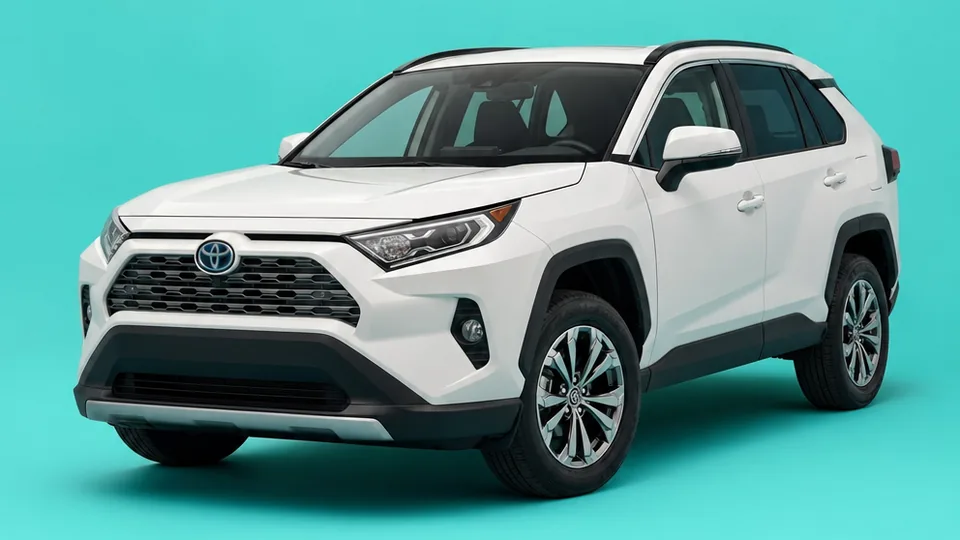
Competitor
$45k-$62k new, $22k-$48k used
RAV4 usually holds the stronger hybrid execution and the shallower five-year resale curve on NZ-new stock; Forester most owners find it the more capable AWD system for gravel, snow, and wet-grass use. The right choice depends on whether the household values deeper hybrid resale or genuine AWD capability.
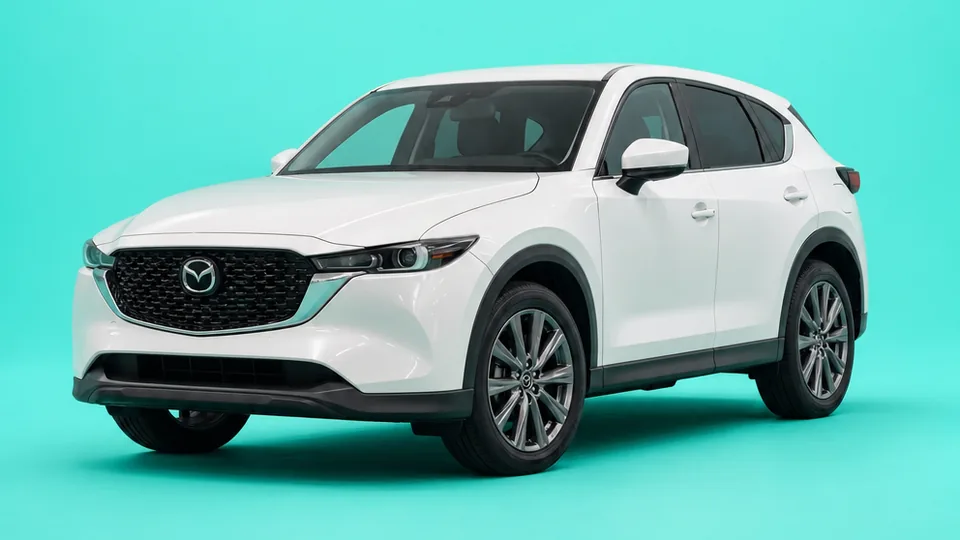
Competitor
$42k-$62k new, $18k-$42k used
CX-5 is usually the more engaging daily drive with a more premium interior at equivalent trim; Forester reads as the more capable AWD system with better visibility for the gravel-road and light-snow use case. Buyers who prioritise interior finish often favour CX-5; buyers who prioritise genuine AWD often favour Forester.
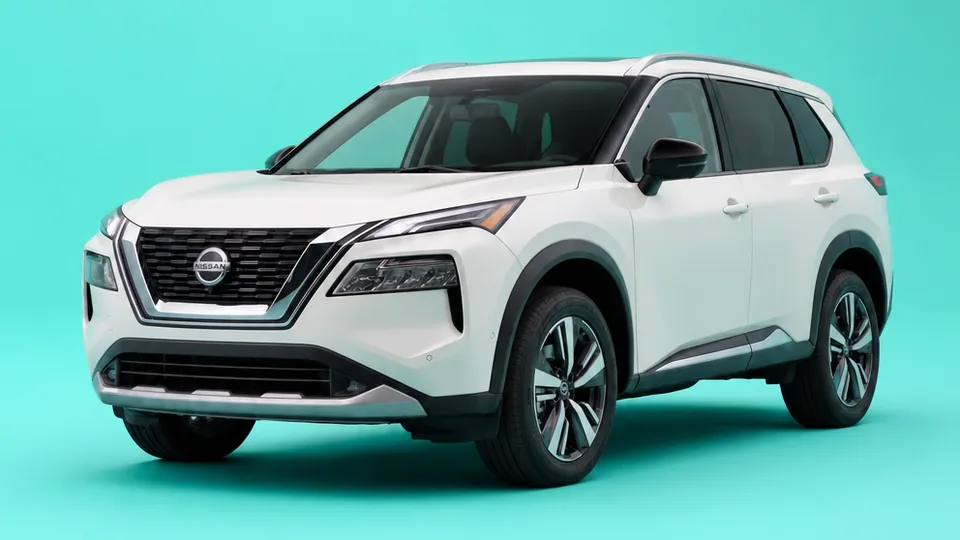
Competitor
$40k-$62k new, $12k-$42k used
X-Trail is generally the value-buy at equivalent trim, with third-row availability on petrol variants that the Forester doesn't offer; Forester most comparisons give it the stronger resale proposition and the more capable AWD. Households that need a third row often favour X-Trail; households that prioritise AWD capability and resale often favour Forester.
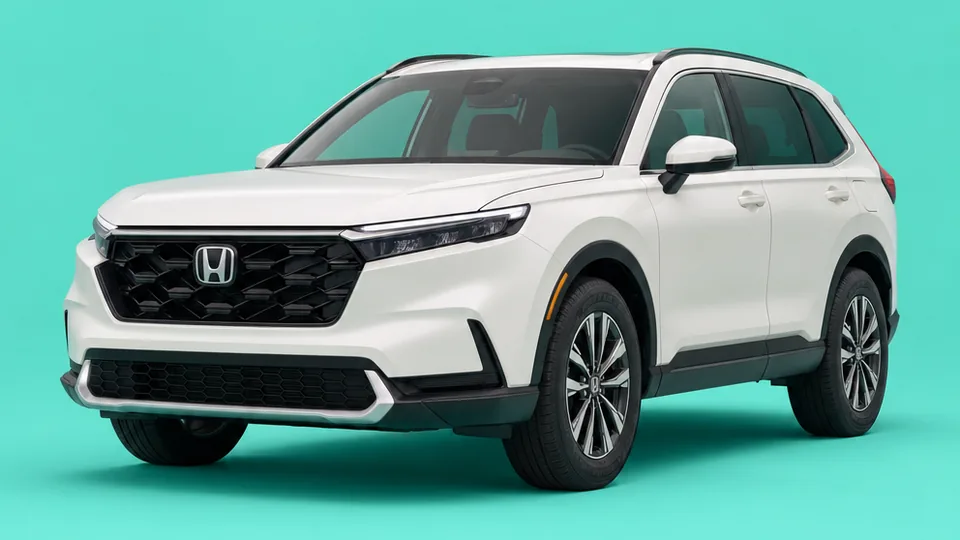
Competitor
$45k-$68k new, $16k-$48k used
CR-V most reviewers give it the more spacious rear cabin and the lightest-feeling drive; Forester tends to be credited with the more capable AWD system with greater outward visibility. Buyers who prioritise cabin space often favour CR-V; buyers who prioritise genuine AWD for gravel, snow, or lifestyle-block use often favour Forester.
Worked example
Buyer profile
Gisborne dual-income family, mid-thirties, two children under ten, clean credit file. Trading up from a 2016 Subaru Impreza hatch because the household now covers surf-club shuttles, weekly gravel-road trips to a leased lifestyle block, and Waioeka Gorge grandparent runs that the Impreza boot no longer comfortably supported.
Scenario
Bought a 2022 Forester Premium e-BOXER AWD at $42,000 from a franchised Subaru dealer in Napier. Traded the 2016 Impreza at an agreed $9,000 and put a $3,000 cash deposit from a savings top-up. Financed the remaining $30,000 over 5 years at 8.25% indicative via a consumer secured car loan through an independent broker.
The outcome
In this scenario, cash-flow impact at settlement was manageable, because the weekly finance cost of about $141 sat roughly in line with the combined fuel and running-cost lift the household expected moving from the smaller Impreza hatch into the Forester. Keeping the purchase within the Subaru service network meant the household retained the familiar Napier dealer relationship for capped-price servicing, and the symmetrical AWD delivered a genuine functional lift on the weekly gravel-road lifestyle-block run.
On the balance sheet, this is a personal-name loan with no GST or deductibility in play, so the tax treatment is simpler than a commercial-use purchase. A household considering the same Forester under business use would generally be looking at a chattel mortgage and different GST and deductibility outcomes, which sit outside this scenario and remain subject to the accountant's confirmation on the specific business position.
Through year one, the loan balance sits modestly above the Forester's likely trade-in value on indicative NZ used-market trends, which is the common pattern on any low-deposit financed mid-size SUV in year one. By around month 20 to 24 on these assumptions, the amortisation curve typically catches the value-loss curve, and equity stays positive through the back half of the term. For this borrower's structure, an early sale inside year one would require topping up from savings; an early sale from year two onward typically does not.
At year five on these assumptions, the loan settles and the Forester is unencumbered. On indicative NZ used-market trends, a comparable 2022 Premium e-BOXER at year five typically trades in the high-teens to low-twenties at 2027 values, which for this household supports a natural five-year replacement cycle into the next Forester generation with a similar trade-in position. The discipline that makes this pattern work is budgeting for the set-of-four tyre replacement around year three or four alongside the finance line, because on a symmetrical-AWD vehicle a single worn or damaged tyre typically pulls the other three into replacement at the same time.
Illustrative example. Not a promise of approval or rate. Your circumstances and the lender's own credit decision will determine your actual outcome.
Model-specific questions
At a 7% indicative rate over five years with no deposit, a used SK Forester around $28,000 runs at roughly $124 a week and a new 2024 Premium e-BOXER at $55,000 runs at about $242 a week. Older fourth-generation SJ Foresters near $15,000 work out to around $66 a week on the same settings. Actual rates are set by the lender after assessment, so these figures are illustrative only.
For a new Forester with a clean credit record and a deposit, indicative rates from mainstream lenders typically land in the 7 to 9% range. Used Foresters usually sit in the 8 to 11% range, reflecting the asset risk to the lender. Japanese-import Foresters often draw a slightly higher indicative rate on the same applicant profile because residual data on JDM trims is thinner. An independent broker comparison across multiple NZ lenders helps identify a well-placed approval for the specific Forester being financed.
Fifth-generation SK cars (2019 onward) with NZ-new service history sit on strong resale and often have factory warranty remaining, which typically makes them a comfortable lender proposition. Pre-2015 Foresters sit outside warranty and the EJ25 head-gasket history warrants a pre-purchase coolant-system check. Japanese-import Foresters finance fine with a verified Carjam report and an auction-sheet sighting where available.
The 2.0D diesel Forester suits households covering 25,000 km-plus a year because Road User Charges at roughly $1,900 on that distance eat most of the fuel-economy advantage over the petrol 2.5i. The diesel boxer also has a narrower specialist-workshop network in NZ, so workshop distance is commonly a pre-purchase consideration. For lower-distance households, the petrol or e-BOXER variants typically work out cheaper in total cost of ownership.
On a used Forester under $25,000, zero-deposit loans are routine for borrowers with a clean file, though a 10 to 20% deposit still typically helps the rate and reduces total interest. On a new Premium e-BOXER at $55,000, a deposit becomes genuinely useful; 20% down on the new price commonly moves the lender's indicative rate noticeably and saves several hundred to a few thousand dollars in total interest across a five-year term. The actual effect depends on the lender and the applicant.
The finance rate itself is priced on the borrower and the asset value rather than the drivetrain directly, so the indicative rate is usually identical between the petrol 2.5i and the e-BOXER on the same applicant. The e-BOXER purchase price sits a few thousand dollars above the petrol equivalent, which lifts the weekly repayment in absolute dollars simply because the loan is larger. Running-cost differences (fuel saving on the hybrid, tyre and servicing costs equivalent) sit outside the finance calculation.
Subaru symmetrical AWD runs all four wheels together, so the centre differential and AWD clutch pack are typically stressed when tread depth varies more than about 3mm across the set. A single failed or prematurely-worn tyre therefore commonly triggers a full set-of-four replacement rather than one or two. Budgeting $1,500 to $2,000 around year three or four alongside the finance line is common, and the rule applies to every AWD Forester regardless of finance structure.
The Lineartronic CVT used across fifth-generation and post-2013 Foresters is a different transmission technology to a conventional torque-converter automatic, but the finance treatment is identical; lenders price on the borrower and the asset value, not the transmission type. The practical consequence on a used CVT Forester is a recommended fluid-flush service around 100,000 km, which is commonly factored into the running-cost budget at purchase rather than the finance structure itself.
Yes. The common first step is to source an indicative rate from a broker before negotiating, so the buyer is bidding as a funded buyer. A Carjam report typically verifies the VIN, odometer, and any existing secured interest on the PPSR; any listed security must be cleared by the seller before or at settlement. The broker arranges direct payment to the seller at settlement, and a pre-purchase inspection at $150 to $300 is generally taken as worth the cost before committing.
Subaru NZ-new Foresters typically ship with Subaru Assistance roadside cover through the factory warranty window, and this is separate from the finance contract. A financed Forester on a standard consumer loan doesn't require Subaru Assistance specifically; the lender condition is usually comprehensive insurance rather than a particular roadside programme. Subaru Assistance cover transferring with the vehicle has a reputation as a resale-value signal on used NZ-new stock within warranty.
Generally yes, where the accessories are quoted and invoiced as part of the vehicle purchase at the Subaru dealer. A standalone fit after delivery is harder to roll in because the finance contract has already settled. Subaru-approved accessories (genuine roof-bar systems, towbars rated to the 1,800 kg braked limit on Premium trims) are commonly fitted at the dealer under the original invoice. Aftermarket structural modifications that require Low Volume Vehicle certification are typically financed alongside the vehicle only when the certification is in place at settlement.
Negative equity is uncommon on NZ-new Foresters in practice, because resale typically holds well, but it can occur in year one on a zero-deposit new-car loan. If it does, selling mid-term means the shortfall is made up in cash. Practical defences commonly used are a 10 to 20% deposit and a term of five years or less on a new Forester. Japanese-import Foresters sit on a softer curve and the risk of negative equity is modestly higher in year one.
Yes, and refinancing can pay off where circumstances have improved materially (credit score up, income up, or existing debts paid down). NZ-new Foresters are generally reckoned strong refinance candidates because Subaru resale typically holds firm enough that a new lender will often approve against the vehicle. Before refinancing, the original loan is commonly checked for early-repayment fees, with the total-interest saving worked out net of those fees. Breaking a subvented dealer rate rarely improves the position.
You might also want
Amount
$22,500 car loan
Close to a typical Forester price.
See pageSubaru model
Subaru Outback finance
Subaru's AWD wagon and a Kiwi lifestyle-buyer default.
See pageLoan type
Used car finance
Most Forester finance in NZ is on used vehicles.
See pageBrand
All Subaru models
Finance across the Subaru range.
See pageOur finance partner compares multiple NZ lenders. Calculator inputs travel through to the application, and the partner returns a formal estimate after the lender's credit assessment.
Disclaimer
A car loan runs for years, and the repayment comes out of the same pay that covers everything else. This site exists to show you that weekly number before you sign anything. The payment that catches people out is the one that's fine on a good week and tight on a bad one.
Carfinance.org.nz receives a commission from Simplify when a visitor applies through this site and their application is approved. We refer every visitor to the same partner because they compare multiple New Zealand lenders on the applicant's behalf, so the referral is not driven by a sponsored deal. Simplify sets its own terms and fees and discloses them directly; anything you agree to happens on their side, not ours. Every figure shown on this site is a modelled estimate based on the inputs entered; the actual rate, fees, and repayments are set by the lender after assessing the applicant's circumstances and its own credit decision. Carfinance.org.nz is a calculator and information tool. We are not a lender, not a broker, and not a registered financial adviser. Any decision about whether a specific loan suits a specific situation is best made after talking with the lender, and for amounts that materially affect the household, with a registered financial adviser.
Connecting you with a trusted NZ finance partner
One moment while we hand you over securely. Nothing was collected on our side.