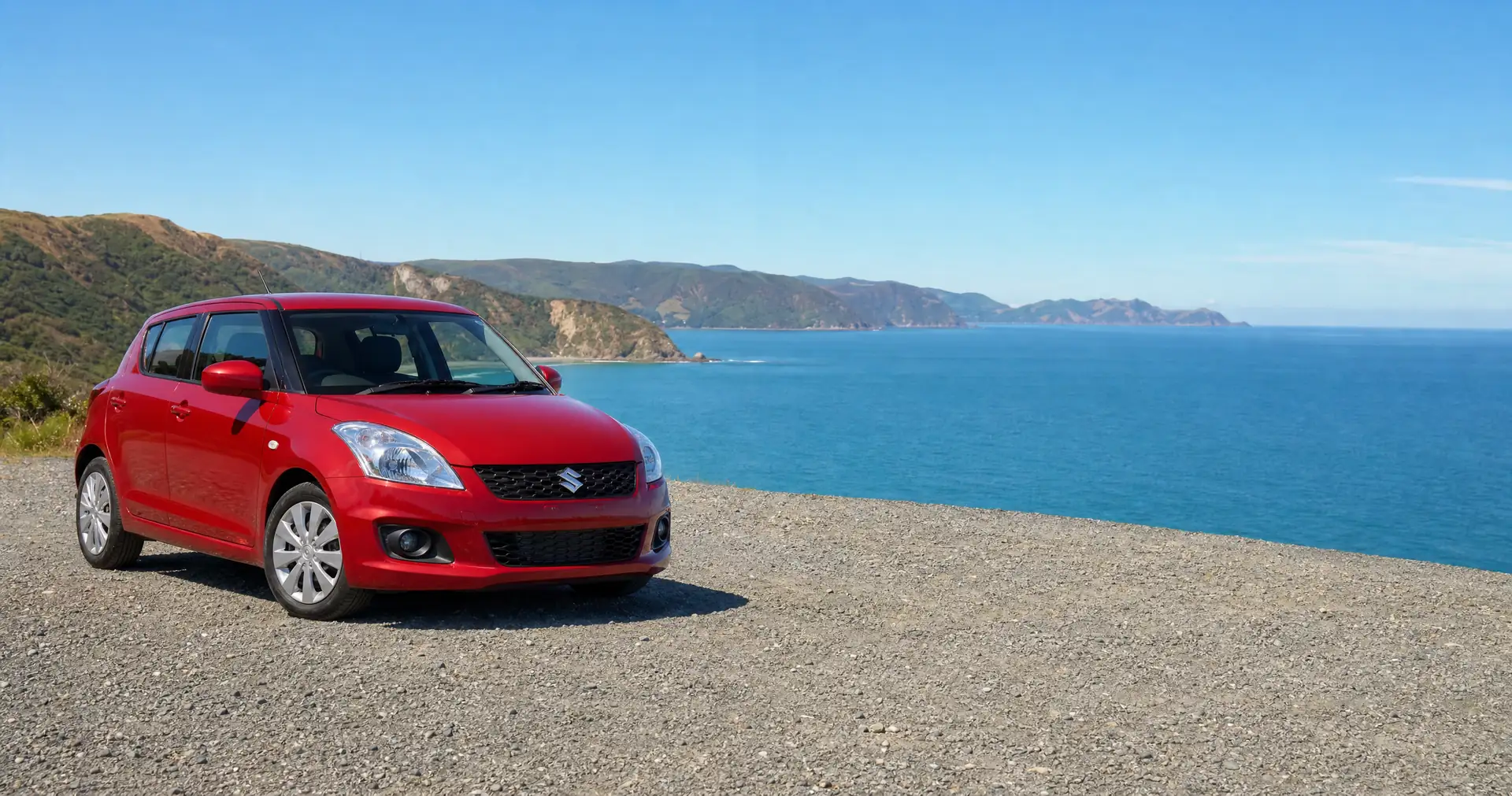
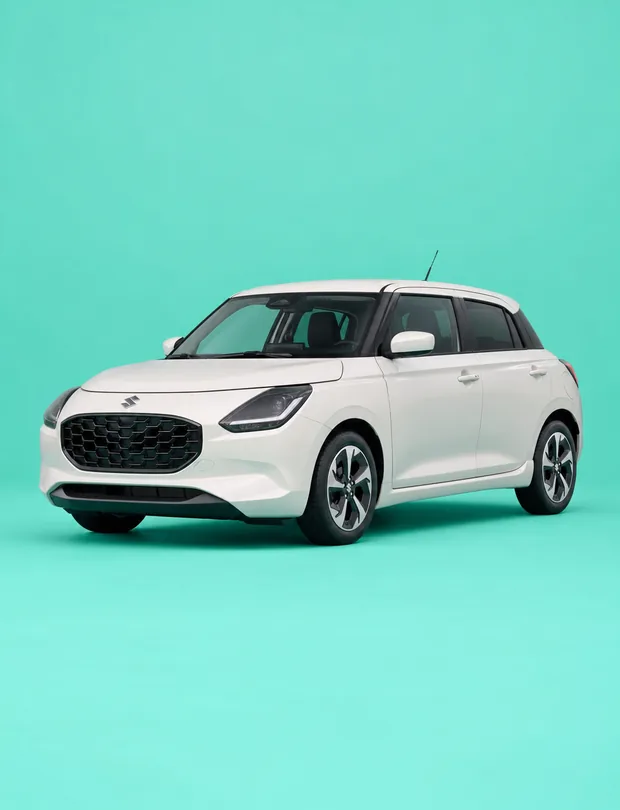
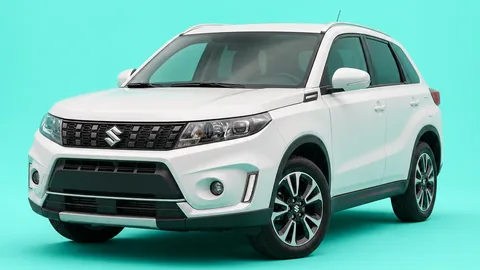
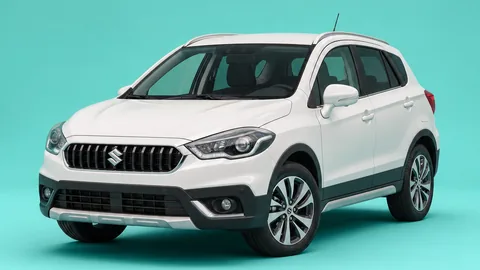
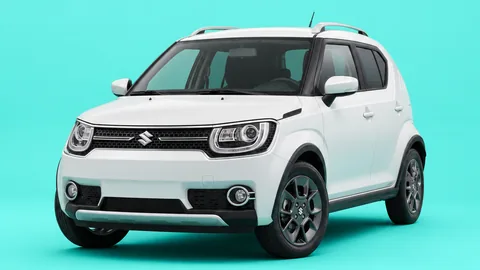
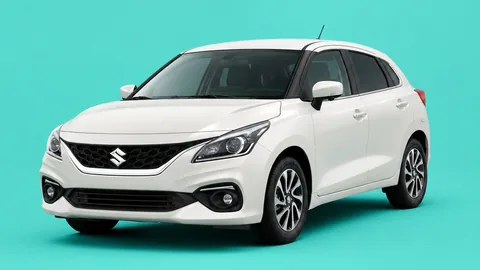
Yes. Swift in particular is one of the most common NZ first-car finance choices because insurance for under-25 drivers is cheap, parts are widely available, and purchase prices are low enough that a 3-year loan stays under $100 a week. The main thing to watch is loan term: a 7-year loan on a $10,000 Swift rarely makes sense because the car will usually need replacing before the loan ends.
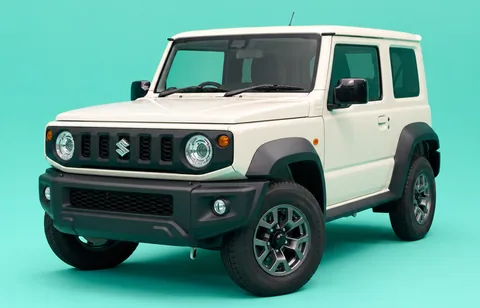
Financing a new Jimny on order is straightforward, but avoid paying above RRP on lot-stock cars just to skip the waitlist. A $3,000 markup on a $50,000 Jimny adds around $700 in interest across a 5-year loan on top of the markup itself. If you can wait 6 to 12 months for order-book allocation, total cost is usually meaningfully lower.
On new Suzukis during an active manufacturer promotion, the dealer can be competitive. On used Suzukis, which make up most of the market, an independent broker usually wins by 1 to 2 percentage points because dealer finance desks add a commercial margin. The practical move is to get a broker quote first, then ask the dealer to match it.
15 to 25% is common on used Suzukis because of the small total loan size; a larger percentage deposit is easier to save on a $12,000 car than on a $35,000 one. On a $15,000 used Swift, $3,000 to $4,000 is typical. New-car subvented offers usually mandate 20 to 30% as a condition of the promotional rate.
Yes, most NZ lenders finance compliant Swift imports. The rate is usually 0.5 to 1.5 percentage points above an NZ-new equivalent because factory warranty doesn't transfer and odometer verification adds a step. On an older import (pre-2016), the price saving at purchase usually outweighs the higher rate across the term.
Usually yes on a 3-year term. Most NZ secured-car-loan products cap vehicle age at 12 to 15 years at loan-end date, so a 2014 Swift is fine for a 3-year term but will often fail a 5-year application. Rates run 1 to 2 percentage points above current-generation Suzuki finance and factory warranty has expired.
Jimny pricing has risen sharply in recent years because of global demand and limited supply into NZ. Current Jimnys run roughly $32,500 to $45,500 new on-road (3-door to 5-door). The hybrid-only Vitara is priced around $37,000 to $41,000 on-road. The finance rate is similar across both, but the loan principal on a Jimny is roughly double a Swift, so weekly repayments and total interest follow. Strong resale on Jimny does partly offset the gap.
Currently, yes. Three-year-old Jimnys typically retain 70 to 85% of original purchase price, well above any other Suzuki and above most mainstream-brand cars, driven by limited supply and cult-following demand. That means a 5-year loan on a Jimny is usually comfortably above balance through the term, which is unusual for the brand.
On almost any Suzuki, no. A 7-year term on a $12,000 Swift adds about $2,500 in interest versus a 3-year term and ends beyond the car's likely useful life. The weekly difference (roughly $45 versus $82) is real, but on a small loan the total-cost gap is disproportionately large relative to the car's value.
If the trade-in value exceeds the outstanding balance, the surplus goes toward the next car. If the balance is higher (negative equity), the shortfall rolls into your new loan. On Swift and Vitara, negative equity is more likely on long loans because resale declines faster than loan balance. On Jimny, strong resale usually keeps you above balance through most of a 5-year term.
Most NZ lenders allow this, but because Suzuki loan amounts are small, rolling in substantial negative equity can push the new loan well above the Suzuki's actual value. On a $15,000 Vitara with $4,000 rolled in from an old loan, the new $19,000 balance is already above the car's market value, which materially weakens the finance case. Clearing the old loan separately is usually cleaner.
For a $13,000 Swift on a 3-year loan at 9%, finance totals around $14,900 (principal plus interest). Add insurance (~$2,800), servicing (~$2,400), and fuel (~$5,400 at 12,000 km/year) for roughly $25,500 across 3 years, or about $163 a week. That is materially lower than most mainstream SUVs and part of why Swift has remained a NZ first-car staple for so long.