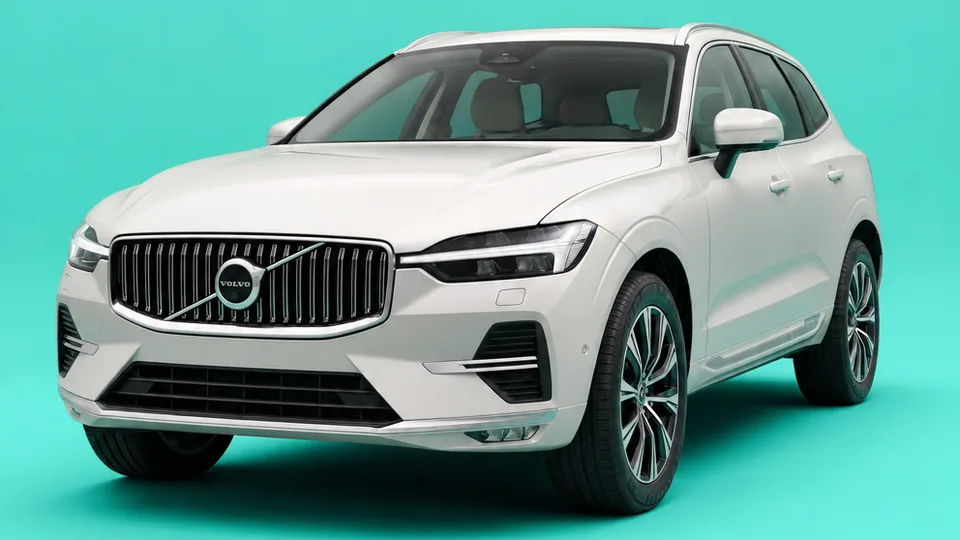
Wellington dual-income family in their late thirties, two primary-school-age children, clean credit file, both PAYE employees at capital-region firms. Trading up from a 2019 Audi Q3 35 TFSI at 62,000 km because the children had outgrown the rear bench on the regular weekend trips to Masterton and Taupo, and the household wanted to stay inside the Audi NZ service ecosystem on the next replacement.
Bought a 2022 FY facelift Q5 45 TFSI quattro S line at $78,000 from the Wellington Audi dealer on Taranaki Street, 34,000 km on the clock, still inside the balance of the five-year Audi NZ factory warranty (150,000 km limit). Traded the 2019 Q3 at an agreed $32,000. Financed the remaining $46,000 over 3 years at 7.9% indicative via an Audi Future Value Guarantee (AFVG) balloon structure with a pre-agreed balloon of $30,300 at term end, which the household chose over a standard amortising consumer loan to align the loan finish with the next natural replacement window.
In this scenario, the weekly outgoing of $156 sat roughly $42 below the three-year amortising-loan equivalent on the same $46,000 balance, because the AFVG balloon structure only amortises the non-balloon portion of the loan across the three-year term. The balloon sits unpaid at term end and is commonly settled on the Audi Future Value Guarantee in one of three ways: paid in full from savings or refinance to keep the Q5, traded against a new Audi for the next cycle, or handed back subject to kilometre and condition limits. The balloon structure materially changes the cash-flow shape of the loan without changing the underlying rate.
On the balance sheet of this household, the loan sat as a straight consumer liability with no tax treatment to manage, because the Q5 is used for personal commuting and family transport rather than business. Finance interest is not deductible on this structure in the ordinary case, and no GST is claimable against the personal-name purchase. A Q5 bought through a company structure for primarily business use would sit on a different footing and would typically carry fringe-benefit tax exposure where the vehicle is also available for private use, all of which sits outside this scenario and remains subject to the accountant's confirmation on the specific business position.
Through the three-year term on these assumptions, the outstanding balance runs ahead of the vehicle's likely trade-in value for the first sixteen to twenty months, which is the usual pattern on a balloon-structured premium mid-size SUV and reflects the ex-lease softening typically seen on FY facelift Q5 stock in the used channel around year three. By around month 22 on these assumptions, the amortisation curve typically catches the depreciation curve and equity sits positive through the back half of the term. For this borrower, an early sale inside year one would require topping up from savings to clear the balloon plus balance; an early sale from month 24 onward typically does not.
At term end on these assumptions, the 2022 FY facelift Q5 45 TFSI S line is likely to trade in the low-to-mid $40k range on indicative NZ used-market trends through 2028 Wellington dealer channels, sitting materially above the $30,300 balloon. Three common outcomes on the AFVG at this point are paying the balloon from savings and keeping the Q5, trading the equity into a new current-generation Q5 or the Q6 e-tron EV at the Wellington Audi dealer, or refinancing the balloon as a standalone consumer loan over a further three or four years through an independent broker. The discipline that makes the AFVG structure work is avoiding an early-exit refinance inside year one, because the establishment and break fees on balloon structures typically wipe out the marginal cash-flow benefit on a mid-term exit.