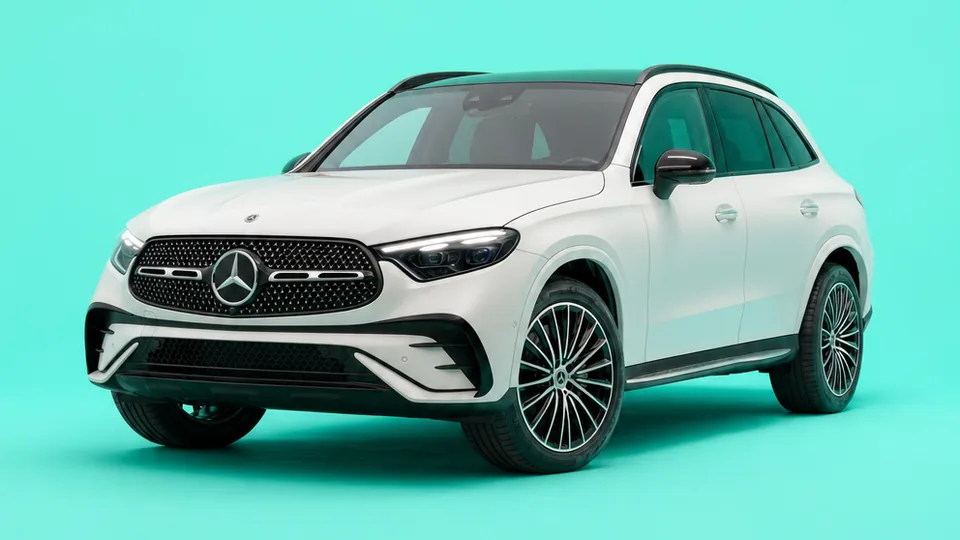
Tauranga dual-income family, mid-forties, two primary and intermediate-age children, clean credit file. Trading up from a 2019 BMW X1 xDrive20i at 68,000 km because the children had outgrown the rear bench on weekly Rotorua and Whakatāne trips, and the household wanted to stay inside the BMW NZ service ecosystem on the next replacement.
Bought a 2022 X3 xDrive20d M Sport at $68,000 from the Tauranga BMW dealer, 54,000 km on the clock, still inside the balance of the five-year / 100,000 km factory warranty. Traded the 2019 X1 at an agreed $27,000 and put a $6,000 cash deposit from a term-deposit maturity. Financed the remaining $35,000 over 4 years at 8.5% indicative via a consumer secured car loan through an independent broker, with BMW Financial Services consulted for a balloon-structure comparison that the household chose not to take because the plan was to keep the X3 beyond four years.
In this scenario, cash-flow impact at settlement was modest, because the weekly finance cost of about $197 sat roughly $30 above the comparable weekly finance cost the household had been running on the outgoing 2019 X1 at the same point in its loan. The switch from petrol xDrive20i to diesel xDrive20d typically saves roughly $900 a year in fuel at 18,000 km a year and $2.95/L for 98-octane, partly offset by Road User Charges at $76 per 1,000 km (around $1,370 a year on this distance), which means the net running-cost difference on fuel and RUC combined is marginal across the term.
On the balance sheet, this is a personal-name consumer loan with no GST or business-use deductibility in play, so the tax treatment is simpler than a chattel-mortgage purchase. A household considering the same X3 under partial business use would generally be looking at a chattel mortgage structure and different GST and deductibility outcomes, with fringe-benefit tax exposure where the vehicle is also available for private use, all of which sit outside this scenario and remain subject to the accountant's confirmation on the specific business position.
Through year one, the loan balance sits modestly above the X3's likely trade-in value on indicative NZ used-market trends, which is what typically happens on any low-deposit financed premium mid-size SUV in year one. By around month 14 to 16 on these assumptions, the amortisation curve typically catches the value-loss curve on a four-year-old G01 xDrive20d with a clean BMW NZ service book, and equity stays positive through the back half of the term. For this borrower's structure, an early sale inside year one would require topping up from savings; an early sale from month 15 onward typically does not.
At year four on these assumptions, the loan settles and the X3 is unencumbered at around eight years old and circa 118,000 km. On indicative NZ used-market trends, a comparable 2022 xDrive20d M Sport at year four of ownership (year seven of vehicle age) typically trades in the mid-$40k range at 2030 values, which for this Tauranga household supports a natural four-year replacement cycle into the next G01 or G45 generation X3 with a similar trade-in position. The discipline that makes this pattern work is keeping the four-year loan to term rather than refinancing into a longer term mid-way, because on a G01 xDrive20d the residual value typically tracks close enough to the amortisation curve that refinancing rarely improves the position once early-repayment fees are accounted for.