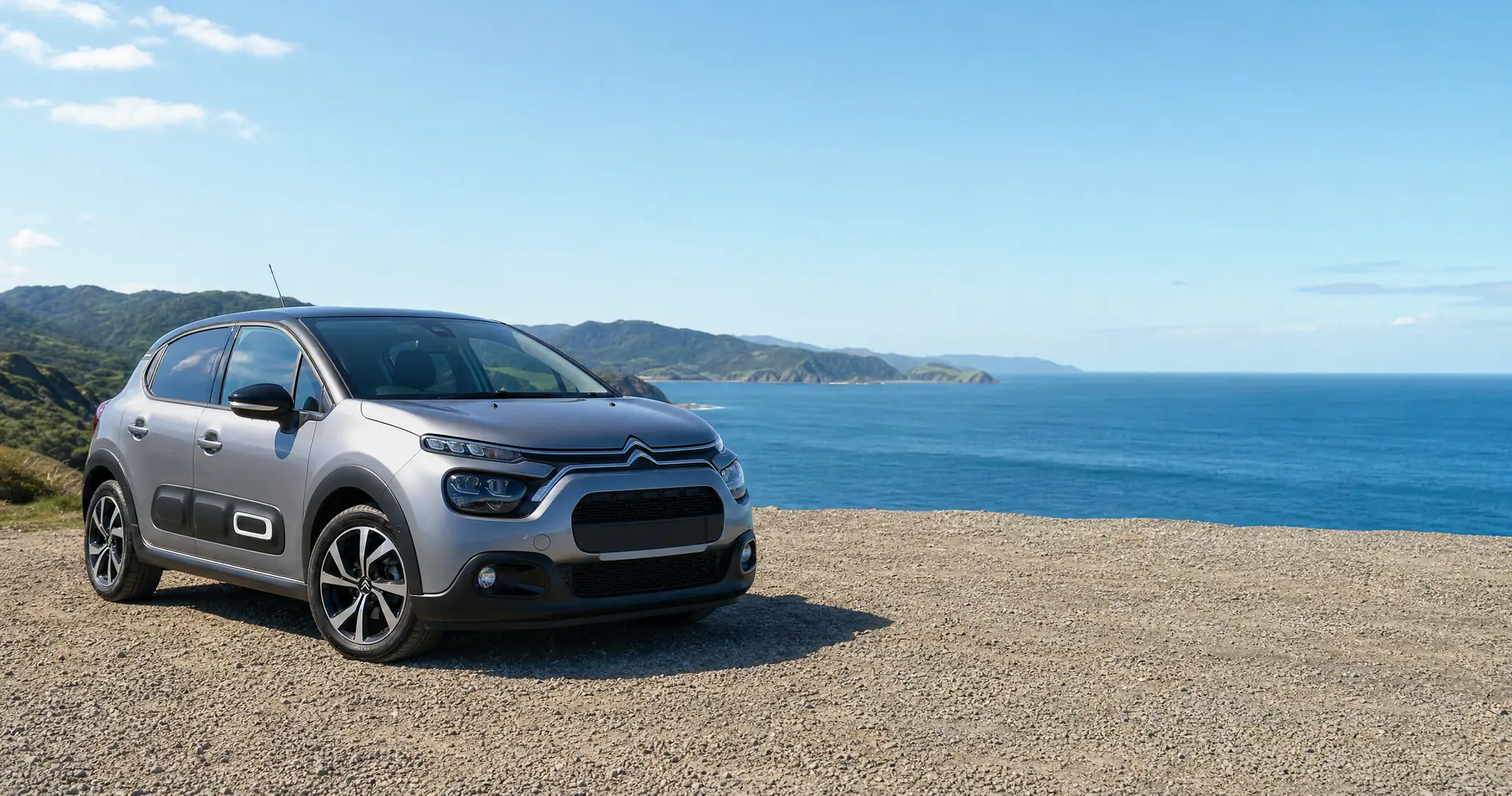
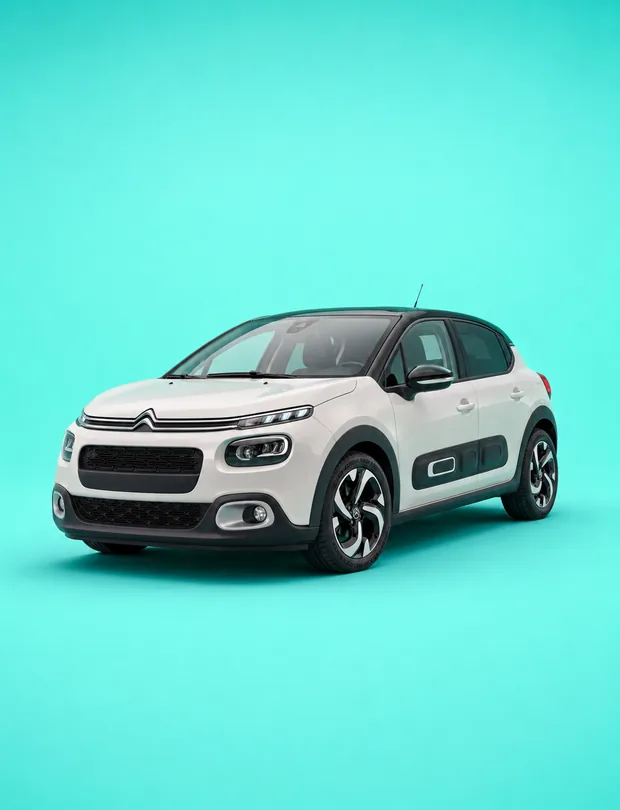
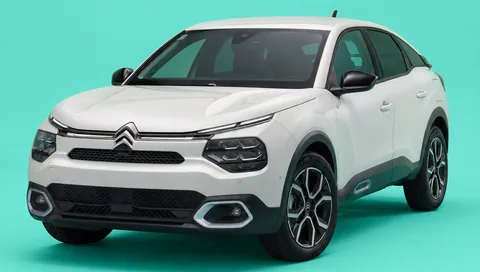
Usually not. Auto Distributors NZ (ADNZ) doesn't run a heavily subvented captive-finance arm for Citroen in the NZ market, so dealer finance offers come from partner lenders with a margin. A broker quote on a C3, C4, or C5 Aircross typically matches or undercuts the dealer rate, and the gap widens on used Citroen stock bought through generalist (non-Auto Distributors NZ) yards.
The ë-C4 is listed as Coming Soon on Citroen NZ as of 2026. There is no current NZ-new Citroen EV model in the franchise lineup. Older used-imported electric Citroens exist thinly on the used market; lender terms on used-import EVs vary widely based on country of origin and residual uncertainty, typically requiring 3-4 year terms.
The two share core Stellantis mechanicals and drivetrains, so lender treatment is structurally similar. C5 Aircross typically trades at a small residual discount to the 3008 because Citroen buyer demand is narrower, which shows up in a slightly lower sticker for the same weekly repayment. Rates on matched specs land within half a percentage point of each other in most cases.
10 to 20% is the common range. On a $40,000 C5 Aircross that's $4,000 to $8,000; on a $16,000 used C3, $1,600 to $3,200. A deposit isn't mandatory but typically drops the offered rate by 0.5 to 1.5 percentage points and protects against first-year depreciation, which on a European-mainstream hatch or SUV can run steeper than on Japanese equivalents at the same price point.
Usually yes on a shorter term. Most NZ secured-car-loan products cap vehicle age at 12 to 15 years at loan-end date, so a 2014 C3 or older C4 clears a 3-year term but often fails a 5-year application. Rates sit 1 to 2 percentage points above current-generation pricing, and a pre-purchase mechanical inspection on older PureTech or HDi variants is worth the modest cost.
Technically yes but volume is tiny. The Japanese-domestic parc for Citroen is small and most NZ Citroens came in as NZ-new through Auto Distributors NZ. If you're financing a rare ex-Japan Citroen, expect a 0.5 to 1.5 percentage point premium above NZ-new rates because lender residual data on the specific import variant is thinner and warranty doesn't transfer.
If your trade-in is worth more than the balance still owing, the surplus comes off your next car. If the balance is higher (negative equity), the shortfall rolls into your new loan. On current-generation C5 Aircross negative equity is less common because residuals hold up. On older C3, C4 Cactus, and pre-2020 C4 stock, negative equity on 5 to 7 year terms is more common than on Japanese-mainstream equivalents.
Read the whole offer carefully. Auto Distributors NZ (ADNZ) Citroen promotional finance typically requires a 20 to 30% deposit and holds the drive-away price at RRP. The two scenarios land differently. a low-rate offer at RRP may still be dearer than an open-market broker rate on the same C5 Aircross negotiated $1,500 to $3,000 below RRP. Total cash out is where the difference shows up, not the headline rate.
Generally yes on any remaining balance of the 5-year / 100,000 km Citroen NZ factory warranty (per Auto Distributors NZ (ADNZ) policy; confirm with the dealer), provided the car was sold NZ-new and the Citroen NZ service record is intact. The warranty is capped at 100,000 km, so a higher-kilometre vehicle may exhaust the km cap before the 5-year term ends. Used-Citroen stock with missing service records often loses warranty transfer eligibility, which softens lender confidence and can push the offered rate up by 0.5 to 1 percentage point.
Most NZ lenders will let you, though the affordability check tightens. Where $6,000 is owed on the current car and a $40,000 C5 Aircross is being bought, the new loan becomes around $46,000 less any deposit or trade. Keeping rolled-in negative equity under 15 to 20% of the new Citroen's value is widely preferred; otherwise clearing the old loan via private sale first is usually the cleaner outcome.
Slightly, in most cases. Citroen servicing across C3, C4, and C5 Aircross typically runs around $120 to $200 per month averaged across the year, about 10 to 20% above an equivalent Yaris, Mazda2, or Corolla. Shared Stellantis parts supply with Peugeot keeps availability predictable, but European componentry still costs incrementally more than Japanese mainstream equivalents.
For a $35,000 used C5 Aircross on a 5-year loan at 8%, finance totals approximately $42,500 (principal plus interest). Add insurance ($7,000 to $9,500), servicing and consumables ($8,000 to $10,500), and fuel ($14,000 to $17,000 at 15,000 km a year) for a rough all-in of $71,000 to $79,000 over 5 years, or around $290 a week. Older BlueHDi diesel variants push fuel lower but add RUC.