Usually no. Most mainstream NZ secured-car lenders decline Lotus outright because the brand sits outside their standard residual database, and an algorithm-driven decline can register on your credit file without producing a rate offer. Start the conversation with a luxury-tier broker who works with panels familiar with supercar and specialist-sports-car residuals.
No. Lotus volumes in New Zealand are too low to support a local captive-finance entity. New Lotus finance runs through luxury-tier panel lenders arranged by the authorised NZ dealer, and used-Lotus finance runs through specialist broker channels. The dealer panel effectively acts as the captive equivalent on new-car applications.
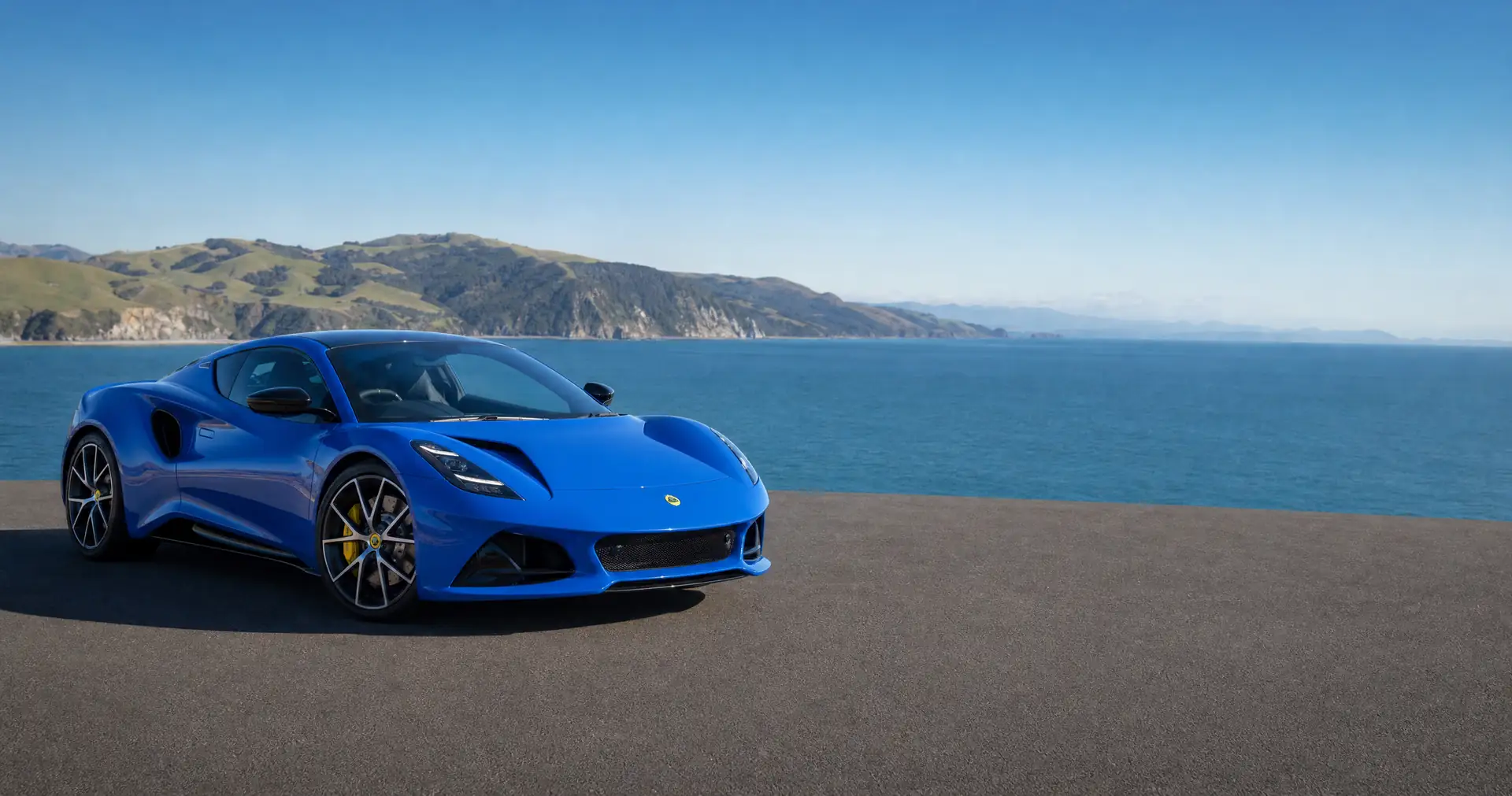
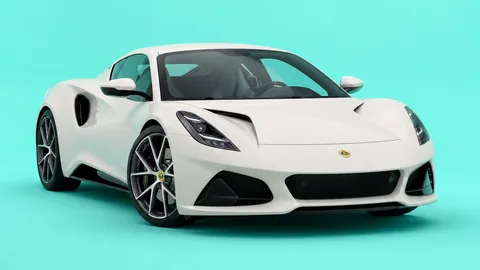
On a used Lotus, 25 to 35% is the common range, which on a $160,000 used Emira is $40,000 to $56,000. On NZ-new Emira or Eletre with an active campaign, minimum deposits are often 30% with a 3 to 4 year term. A substantial deposit improves the offered rate by 1 to 2 percentage points and keeps the equity position clean given thin Lotus residual data.
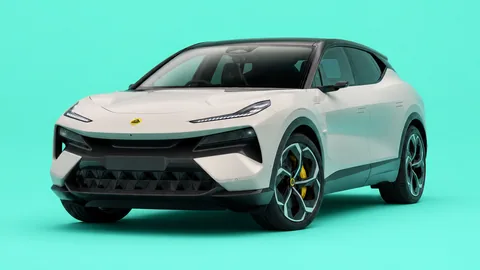
Yes, at several NZ luxury-tier lenders. The NZ-new Eletre qualifies for an EV loan tier, typically 0.5 to 1.5 percentage points below the standard luxury-premium rate. The discount usually doesn't extend to UK-import Eletre and some lenders cap the loan-to-value ratio on older electric stock because used-EV residual data at this price point is still thin in NZ.
Yes, through luxury-tier NZ lenders that accept UK parallel imports with specialist workshop provenance. Rates typically carry a 1 to 2 percentage point premium over NZ-new equivalents, loan-to-value caps are 65 to 75%, and maximum terms are often capped at 3 years. Mainstream lenders typically decline UK-import Lotus outright, so work through a specialist broker channel from the start.
Track-day use does not directly affect the finance offer but has a material effect on insurance. Most standard comprehensive policies exclude track use, and specialist track insurers quote materially higher premiums. MBI is often unavailable or substantially restricted on track-used cars. Disclose track use honestly at quote time because non-disclosure can void cover at claim time.
Because Lotus residual data in NZ is thin, trade-in values at the midway point can be less predictable than on mainstream luxury brands. Enthusiast demand on the Emira supports reasonable values, but the Eletre and the older Evora can sit wider on trade-in quotes than on advertised retail prices. A substantial deposit and a shorter original term are the clearest protection against negative equity at trade time.
On the Emira, yes if you're not track-using the car and if a specialist insurer will write cover on the supercharged V6 or turbo i4. On the Eletre, the high-voltage battery warranty covers most typical loan spans, but MBI on the non-battery components is worth pricing. Track-used Emira are often excluded from MBI entirely, so build a self-insurance budget instead.
Most NZ luxury-tier lenders cap vehicle age at 12 to 15 years at loan-end date. A 10-year-old Evora, Elise, or Exige is financeable on a 3-year term through a specialist broker but may not clear a 5-year term. Rates sit 2 to 3 percentage points above a 3-year-old equivalent, and lenders require strong service history plus a specialist pre-purchase inspection to price within that band.
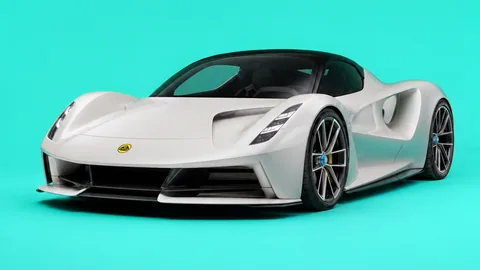
The Evija sits in a hypercar price bracket (typically above $3 million) that standard NZ luxury-tier secured-car lenders don't handle. Most Evija buyers use specialist hypercar-finance houses, private banking channels, or asset-backed lending rather than standard broker panels. The Evija finance conversation is closer to rare-asset or collector-car finance than to standard car finance.
For a $180,000 Emira V6 on a 5-year loan at 9.5%, finance costs total about $225,000 (principal plus interest). Add insurance (~$28,000 for road-only, more for track declaration), servicing and tyres (~$30,000), and fuel (~$20,000 at 10,000 km per year on 98-octane) for a rough all-in cost of $303,000 over 5 years, or roughly $1,165 a week. Track use can add $25,000 to $60,000 across the term. These are indicative based on observed NZ data.
Rolling negative equity into a Lotus loan is possible at some luxury-tier lenders but is scrutinised closely because Lotus residuals are thinner than on mainstream luxury brands. Rolling more than 10% of the new car's value is typically declined, because the combined loan extends the time before any positive equity builds on the Lotus, and the thin used-market data makes that timeline less predictable than on a Porsche equivalent.