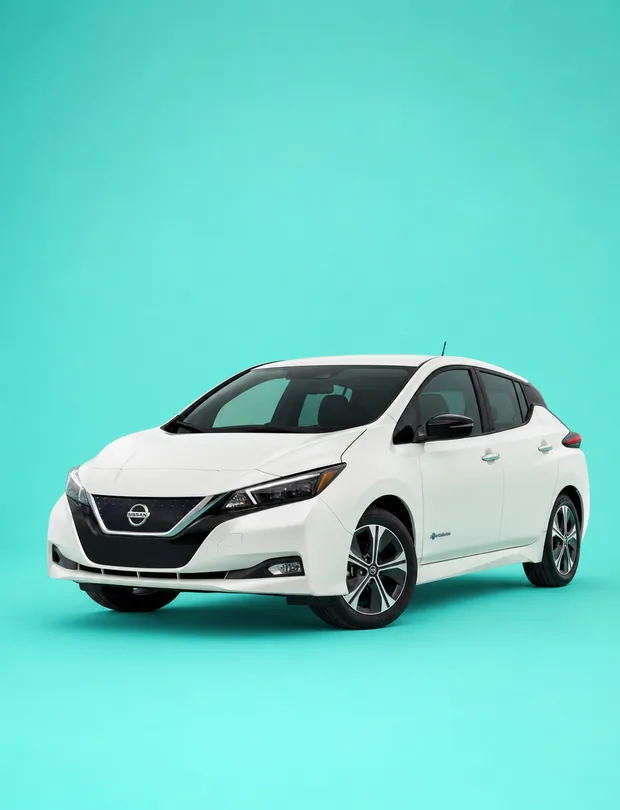
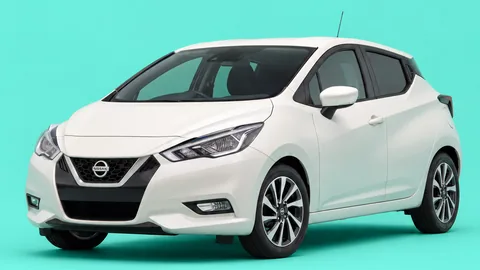
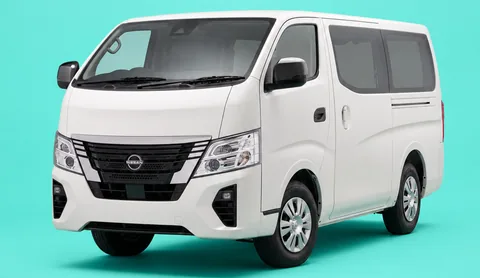
Yes, most NZ lenders finance compliant Leaf imports, and some will apply their EV loan tier (0.5 to 1.5 percentage points below standard) even to imports. A verified battery-health report is typically required before the loan can fund; Ecotricity and some Nissan-authorised dealers provide these. Without the report, lenders default to conservative pricing or decline.
Yes. The EV RUC exemption ended in April 2024, so every Leaf now pays $76 per 1,000 km. On 12,000 km a year that adds about $912 to annual running cost. It doesn't change the finance rate, but it does change the total-cost picture you compared a Leaf against a petrol Tiida or Corolla on before 2024.
It can be, but the term matters. A 3 to 4-year loan on a Leaf with a verified battery-health report above 75% is usually fine because battery degradation is slow enough that the car will still meet your range needs through the term. Stretching to 5 or 7 years is riskier because battery capacity may drop below useful levels before the loan ends.
On new Navara or X-Trail during an active NFS subvention, often yes. On used Nissans, which make up most of the market, almost always no. NFS is set up to move new stock via subsidised rates; broker rates beat dealer rates on used Nissans because dealer desks add a commercial margin. Many buyers ask both and benchmark.
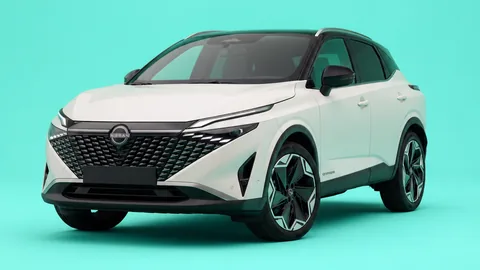
10 to 20% is the common range across Navara, X-Trail, and Qashqai. On a $12,000 used Leaf import, 15 to 25% is more common because lenders are more cautious on EV residual. Subvented new-car offers from NFS usually mandate 20 to 30% deposit as part of the deal, often on a shorter term.
Usually yes on a shorter term. Most NZ secured-car-loan products cap vehicle age at 12 to 15 years at loan-end date, so a 2014 Leaf or X-Trail is fine for a 3-year term but will often fail a 5-year application. Rates run 1 to 2 percentage points above current-generation Nissan finance, and factory warranty has long expired.
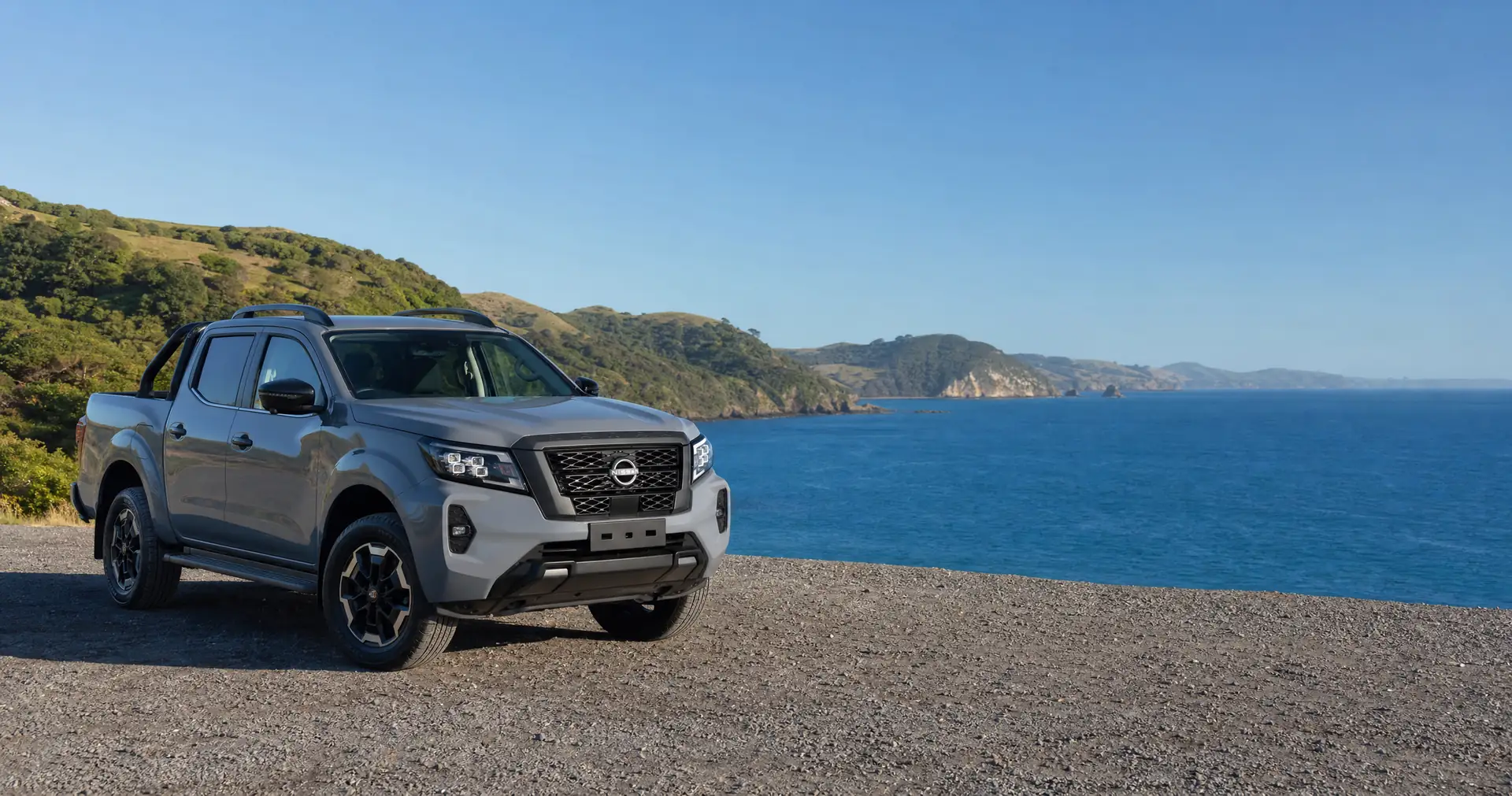
Yes, through a chattel mortgage, finance lease, or operating lease if the Navara is primarily used for business (more than 50% of kilometres). Chattel mortgage is the common default for sole traders and small operators: the ute sits on the balance sheet, GST on the purchase is claimable, and interest and depreciation are both deductible. Structure choice is an accountant question rather than a lender one.
Generally yes. Navara retains 55 to 65% of value at year three against an X-Trail's mainstream-average 45 to 55%. The ute market is structurally tight and Navara replacement costs have risen. On finance, that means a 5-year Navara loan is usually comfortable on resale; an X-Trail 5-year loan sits about average.
If trade-in value exceeds your outstanding balance, the surplus goes toward the next purchase. If the balance is higher (negative equity), the shortfall rolls into your new loan. On Navara, negative equity is rarer than most brands because resale is strong. On Leaf (NZ-new and import), it's more common and can be material after 18 to 24 months.
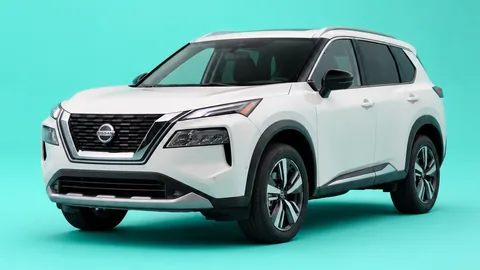
Most NZ lenders will let you but will examine affordability more closely. On a $35,000 X-Trail purchase with $6,000 still owing on the old car, the new loan becomes roughly $41,000 less deposit or trade. Rolled-in negative equity above 15 to 20% of the new car's value; past that, clearing the old loan via private sale first is usually the cleaner path.
Current Nissan New Zealand new vehicles carry a 5-year / 150,000 km factory warranty on most models (per Nissan NZ's published policy; confirm with the dealer on the specific vehicle). That covers the typical length of a 5-year finance term. Warranty doesn't transfer to imports, so a Leaf import has no remaining factory cover regardless of age.
For a $12,000 Leaf import on a 3-year loan at 9%, finance totals around $13,700. Add insurance (~$3,500), electricity and RUC (~$4,500 at 12,000 km/year), and servicing (~$1,500) for roughly $23,200 across 3 years, or $148 a week. That is materially lower than an equivalent petrol hatch over the same period, even after RUC.