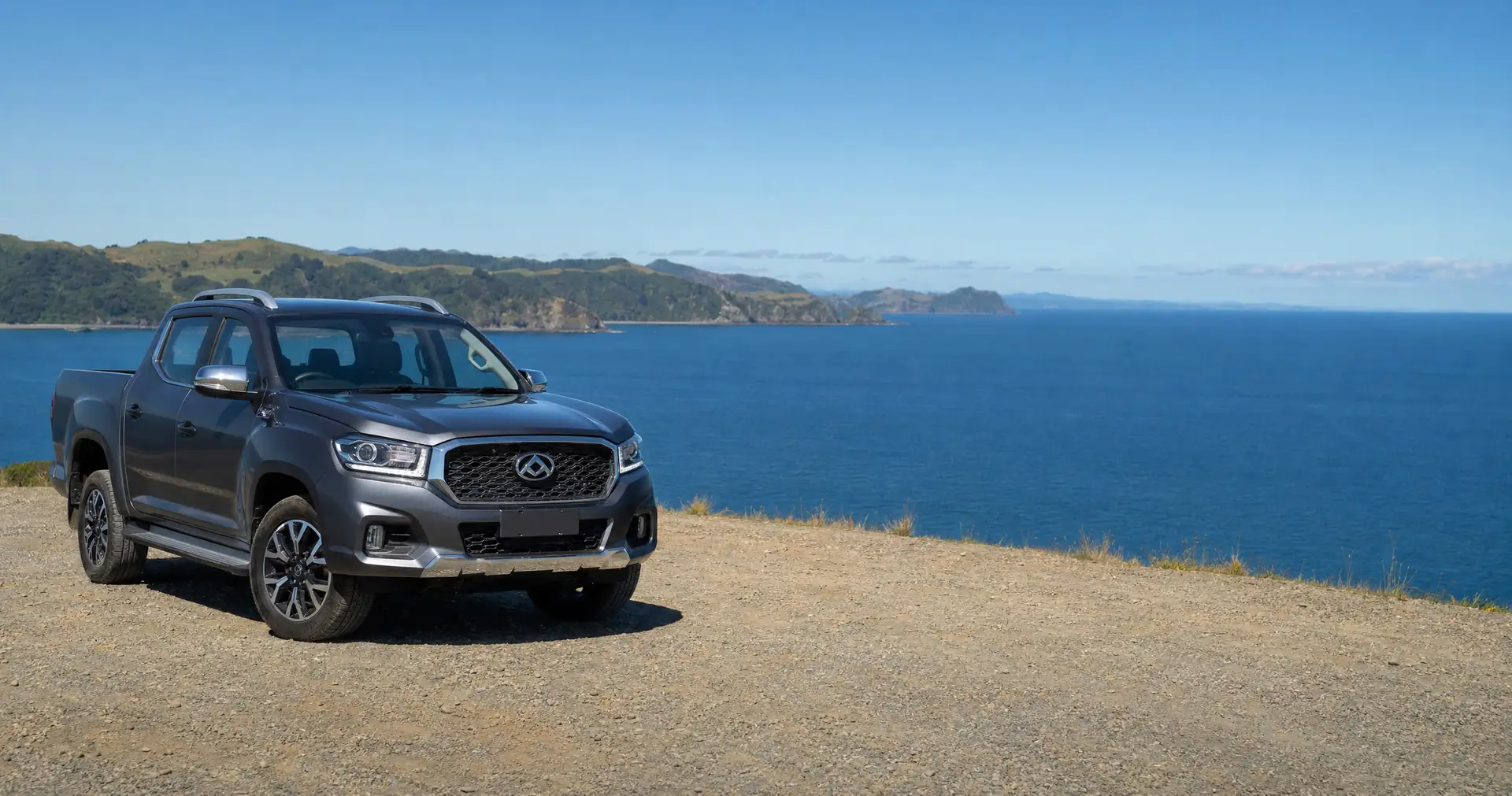
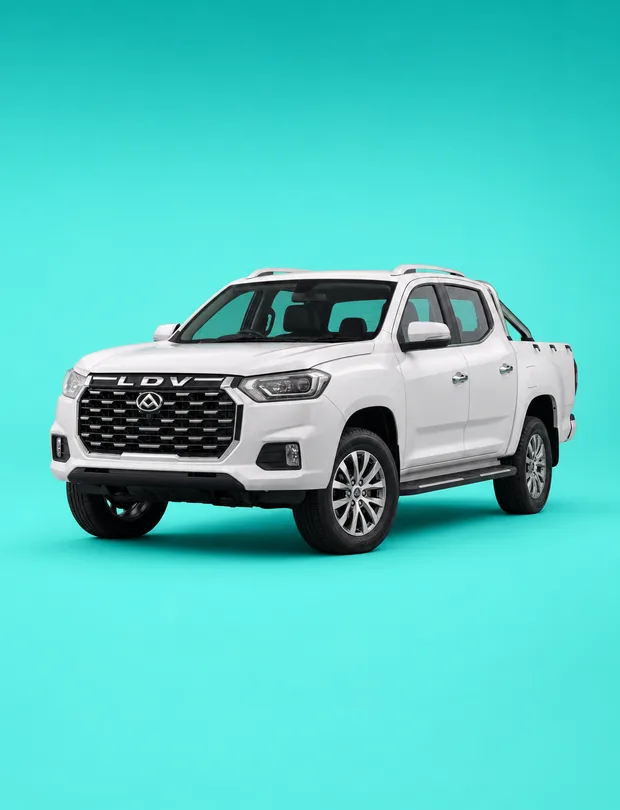
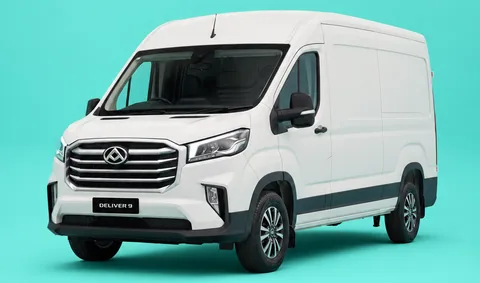
It depends on whether the LDV is new or used and whether an active promotion is running. On a new T60 or Deliver 9 during an Inchcape-LDV subvention window, the dealer finance partner can be competitive on rate. On used LDVs, or new LDVs outside a promotion, an independent broker almost always wins by 1 to 2 percentage points. A broker quote first gives the dealer offer something to be measured against.
The 7-year warranty on current new LDV stock (or 200,000 km, whichever first) stays in force regardless of who funds the loan. It covers most of a standard 4 or 5 year finance term, which makes dealer-bundled mechanical breakdown insurance duplicative during the warranty period. That keeps the loan amount lower and total interest down; add a standalone MBI closer to the end of the warranty period if cover beyond year five matters.
Yes, in most cases. If the LDV is primarily used for business, a chattel mortgage lets you claim the full GST component on purchase in the next return (roughly $5,478 on a $42,000 T60) and deduct the finance interest across the term. Depreciation runs at IRD rates against the balance sheet. Most accountants apply an 80% business-use threshold before recommending the chattel mortgage path.
On rate, similar, through standard NZ lender product. On residual strength, the T60 sits a band below the Hilux and Ranger, which shows up as a marginally tighter loan-to-value ratio or a slightly more cautious term-length decision. The bigger financial difference is the sticker price. The T60 typically lists at 60 to 70% of a like-spec Hilux or Ranger, which creates meaningful headroom on loan size or deposit.
Yes, in most cases. Several NZ lenders operate dedicated EV loan tiers at 0.5 to 1.5 percentage points below standard secured-car-loan rates, and the eT60 and eDeliver 9 usually qualify. Availability varies by lender and changes, so a broker will flag whether a green-rate tier applies at application. The rate saving compounds across a 4 or 5 year term meaningfully.
For a used LDV, 10 to 20% is the common range, around $4,000 to $8,000 on a $40,000 T60. Inchcape-LDV subvention deals on new stock often require 20 to 30% to unlock the promoted rate. A larger deposit is particularly useful on an LDV because the lender residual-value data is still tightening, so a 15%+ deposit meaningfully reduces negative-equity risk in years two and three.
Usually yes on the T60 and Deliver 9, which have been sold in NZ since the late 2010s. The LDV age-at-loan-end cap at most NZ lenders is the same 12 to 15 year range as other brands, so a 7-year-old T60 typically clears a 4-year term. Expect a rate premium of 0.5 to 1.5 percentage points above a 3-year-old equivalent and a tighter loan-to-value ratio. Older LDV stock pre-2018 is less common and lender appetite varies.
Yes, both finance through standard NZ commercial-vehicle lender product. Fleet applications on five or more vehicles often structure under operating lease or finance lease, which keeps the Deliver 9 or G10 off the balance sheet and smooths opex. Sole traders and small courier operators typically use a chattel mortgage. The Deliver 9's larger cargo volume and lower purchase price often lands cheaper on total fleet cost than established Japanese or European alternatives.
Generally yes on the T60 with a deposit of at least 15%, though residual-value data is still firming. A 3-year-old T60 typically retains 45 to 55% of its original price, slightly below the mainstream-brand average but meaningfully better than the D90 seven-seat SUV. A 4-year term usually suits the D90 better than a 5-year term. Deliver 9 residuals are firming as the fleet channel matures, with fleet buyers often structuring around operating cycle rather than residual.
Yes, most NZ lenders allow it, but affordability is scrutinised carefully. Where $7,000 is owed on the current ute and a $42,000 T60 is being bought, the new loan becomes $49,000 less trade-in and deposit. The risk is that the T60 loan starts underwater, which extends the time before equity builds back on a brand with still-firming residuals. Clearing the old loan with a private sale is usually the cleaner path.
LDV, GWM, and Foton all finance through standard NZ lender product at similar rates. The practical differences are distribution depth, dealer network coverage, and residual-value data. LDV has the most established NZ distribution (Inchcape) and the deepest dealer network of the three, which supports cleaner used-market finance applications. Residuals on all three sit below the mainstream-Japanese average but are firming as volumes grow.
For a $42,000 new T60 on a 5-year loan at around 8.5%, finance totals roughly $51,700 principal plus interest. Add RUC at 20,000 km a year ($7,600), diesel fuel ($14,000 to $18,000), insurance ($8,000 to $11,000), and servicing plus tyres ($9,000 to $12,000) for a rough all-in of $90,000 to $100,000 over 5 years, or around $365 a week. Business use recovers a meaningful slice via GST and interest deductibility; personal use doesn't.