Skip to content
Carfinance.org.nz
Lexus logo Premium brand

Lexus car finance calculator

Published 23 April 2026 · Last reviewed 23 April 2026 · Disclaimer

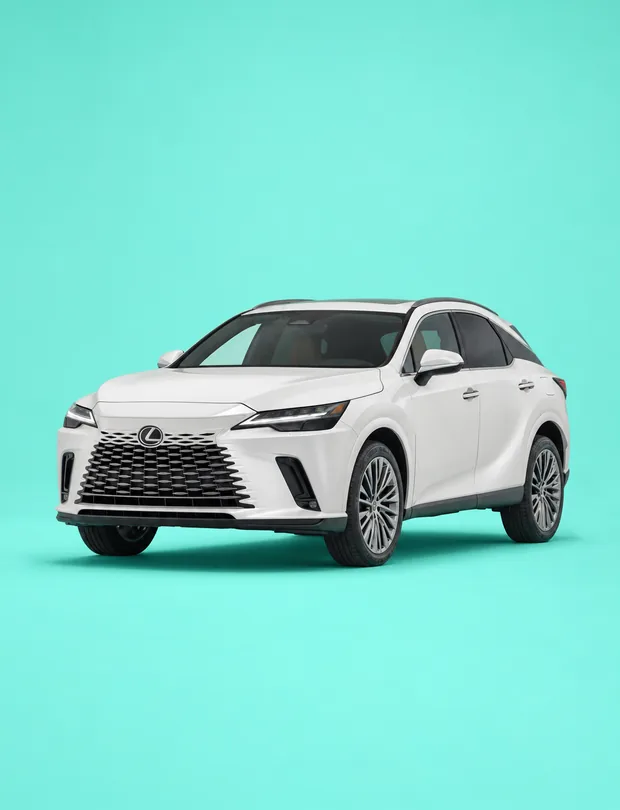
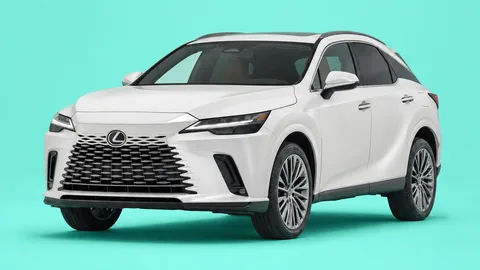
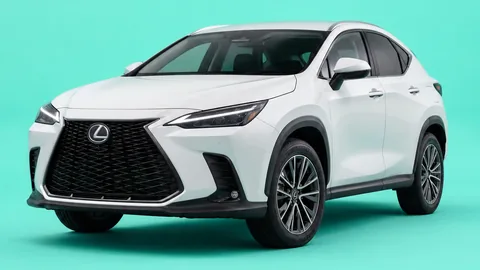
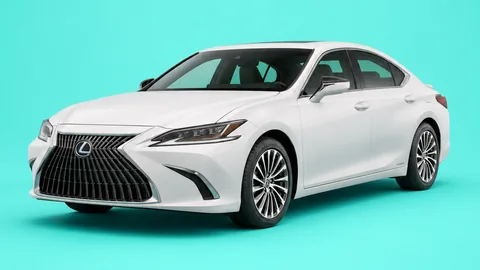
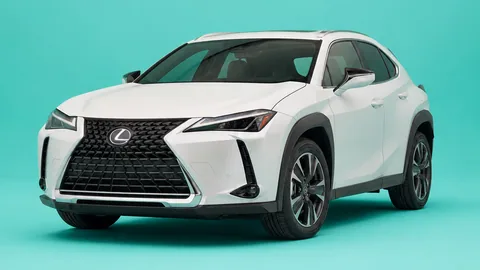
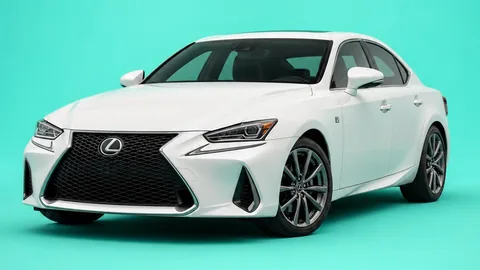
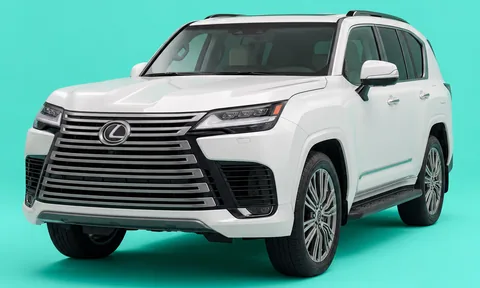
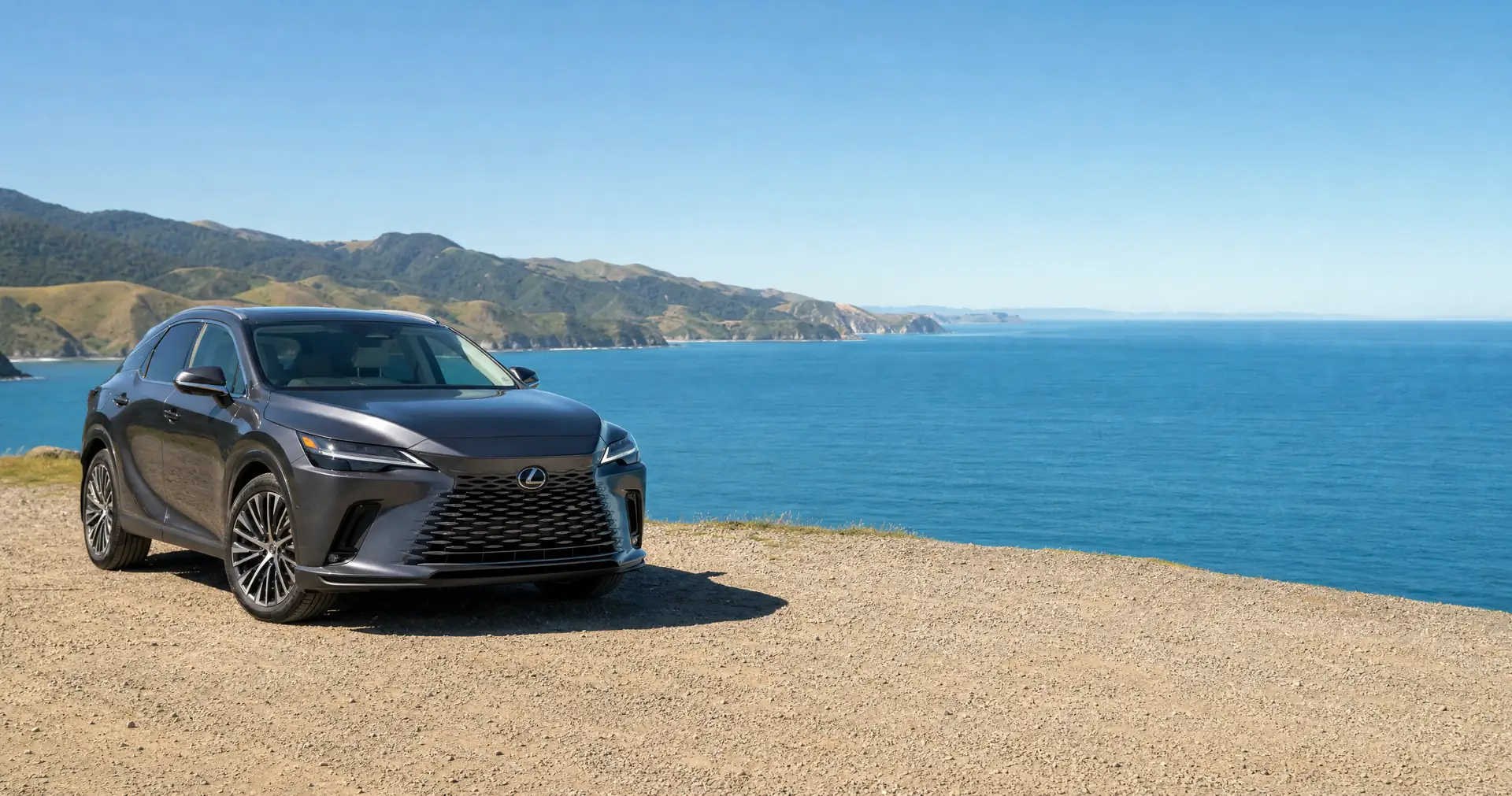
A premium brand financed mostly by professionally-employed buyers in Auckland, Wellington, and Christchurch, with a heavy Japanese-import tail that sets Lexus apart from German-premium rivals. The NZ parc is led by the RX mid-size SUV and the NX compact SUV, with ES sedans and older IS models filling out the passenger-car side (Carjam). The hybrid RX450h and NX350h dominate the used market, which keeps the drivetrain story different from BMW or Audi. Loan sizes typically run from about $14,000 on an older ex-Japan IS to around $140,000 on a new LX 700h.

Your estimated repayment

Weekly

Disclaimer

$165/week

$329 /fortnight $713 /month
$36,000
$0
7.00% p.a.
5 years

We are not a finance company. Indicative only. Not a quote or offer of credit. Actual rates, fees, and repayments depend on your circumstances and the lender's decision.

Why this brand finances well

What lenders look for in a Lexus.

  • Toyota Financial Services NZ runs the captive finance arm for Lexus, so occasional subvented new-vehicle rates run on RX and NX in the same way they do on Toyota mainstream stock, giving the dealer desk a genuine structural edge on current-year cars.
  • Lexus hybrids (RX450h, NX350h, ES300h) share drivetrain components with Toyota RAV4 Hybrid and Camry Hybrid, which gives NZ lenders a deep reliability and residual-value dataset even on earlier Japanese-import examples.
  • Resale on NZ-new RX and NX holds up well against BMW X3 and X5 and Audi Q5 of the same age, which keeps loan-to-value ratios comfortable across a five-year term for most underwriting desks.
  • Professional-employment buyer base (medical, legal, senior-corporate) typically clears affordability checks cleanly, so time-to-approval on a $60,000 NX350h application is usually short compared with the same loan on a less common premium brand.
  • Nationwide Lexus dealer coverage through Lexus of Auckland, Wellington, Christchurch, and regional Toyota-group sites keeps warranty and servicing access predictable, which lenders factor into residual confidence.

Buyer notes

Where to get the best Lexus rate.

For a new NZ-new RX, NX, or ES, start with the Toyota Financial Services NZ rate the Lexus dealer quotes, because TFS occasionally runs genuine subvention on specific model-month combinations. For a used NZ-new or ex-Japan import Lexus, an independent broker almost always wins because dealer finance on used stock has no manufacturer subsidy. On parallel-import RX or IS, confirm odometer verification and compliance paperwork before the broker submits.

No sign-up on our site. Our finance partner compares NZ lenders and returns a formal estimate after the lender's credit assessment.

New vs used

Financing a new Lexus vs a used one.

The Lexus finance conversation in New Zealand splits three ways more than two, because the used market includes both NZ-new cars and a large pool of Japanese imports that underwrite differently. The finance treatment varies across all three channels.

Path 1

New Lexus (through Lexus NZ dealer)

Ask Toyota Financial Services first

  • Toyota Financial Services NZ is the captive lender for Lexus, sharing the Toyota captive-finance infrastructure.
  • Subvented rates run occasionally on specific new Lexus models (RX, NX), usually with a required deposit (20 to 30%) and a shorter term (2 to 3 years).
  • When no subvention is active the dealer offers a partner-lender standard rate with a margin, where a broker typically comes in lower.
  • Lexus NZ drive-away pricing has limited headline discounting, so the finance rate and trade-in value are the main negotiation levers.

Verdict

Get the Toyota Financial Services NZ indicative rate from the Lexus dealer, then benchmark with a broker. When TFS is running subvention on a specific RX or NX, the dealer often wins; when it is not, a broker typically matches or undercuts.

Path 2

Used NZ-new Lexus or Japanese import

Broker almost always wins; confirm provenance first

  • Used-Lexus finance is never subvented, so every dealer rate is a marked-up partner-lender rate with room for a broker to undercut.
  • NZ-new used Lexus stock on Lexus NZ forecourts often retains remaining factory warranty, which supports a tighter broker rate.
  • Japanese-import RX270, RX350, RX450h, IS250, and older GS stock is common on generalist yards and priced below NZ-new equivalents by $4,000 to $12,000.
  • On imports, lenders usually require a verified odometer history (Carjam or AA check) before drawdown, which can delay settlement by a day or two if the seller has not prepared it.

Verdict

Price the specific RX, NX, ES, or IS with an independent broker. On an ex-Japan import, expect the broker to quote 0.5 to 1.5 percentage points above the equivalent NZ-new rate and often require odometer verification before drawdown.

Rule of thumb

On a new Lexus, ask the dealer about any current Toyota Financial Services NZ offer first, then bring a broker quote as a benchmark. On used Lexus (NZ-new or import), the broker quote is the starting point and the dealer has to match it.

Total cost of ownership

What a Lexus really costs beyond the finance line.

Lexus running costs sit between Toyota mainstream and German premium on most line items, which is the brand's structural economic advantage. Hybrid drivetrain dominance across the current NZ range keeps fuel spend closer to a RAV4 Hybrid than to an Audi Q5 petrol of similar value.

  • Servicing and consumables

    Averaged across a year. NX350h and ES300h at the lower end because hybrid brake wear and engine load is lighter. RX500h, LS, and LX run higher through Lexus NZ franchise pricing; older ex-Japan IS250 and GS350 sit middle once out of warranty.

    $160 to $280 per month
  • Insurance (full cover)

    NX and ES sit around $1,400 to $1,900. RX runs $1,700 to $2,400. LX and LS at the top of the band ($2,400 to $3,000). Japanese-import examples sometimes face a small insurer loading because repair parts sourcing is longer.

    $1,400 to $3,000 per year
  • Tyres

    NX on 18-inch $1,400 to $1,800. RX on 19 to 20-inch $1,700 to $2,300. LX on 20 to 22-inch $2,200 to $2,800. Premium tyre sizing pushes figures well above an equivalent-value Toyota.

    $1,400 to $2,800 per set
  • Fuel

    Based on 13,000 to 15,000 km a year at NZ pump prices. NX350h and ES300h hybrids at the low end, older RX350 V6 petrol mid-range, LX570 and LS460 at the top of the band.

    $2,100 to $4,500 per year
  • Road User Charges

    Applies to diesel LX450d and older RX diesel variants. Most current NZ Lexus stock is petrol or hybrid, so RUC rarely applies to a typical RX or NX owner.

    $76 per 1,000 km (if diesel LX or RX)

Worth knowing

RX450h vs Audi Q5 petrol at the same finance weekly

A $60,000 used RX450h and a $60,000 used Q5 TFSI sit at the same weekly repayment, but the RX450h typically runs around $1,500 to $2,200 a year cheaper in combined fuel and servicing once Lexus hybrid efficiency and Toyota-group parts supply are taken into account. Insurance sits close on a like-for-like sum insured.

Resale and equity

How Lexus resale shapes your finance decision.

55 to 65%

value retained, 3-year-old NZ-new RX

45 to 55%

value retained, 3-year-old Japanese-import RX

45 to 52%

premium-brand market average (German)

Lexus residuals in New Zealand sit ahead of German-premium equivalents across most of the NZ-new range, with NX and RX holding value notably better than comparable X3, X5, Q5, or GLC examples through the three to five year window. The structural reason is Toyota-group drivetrain reliability: lenders and the used-car trade price Lexus residuals with Toyota reliability data in mind, which trims the usual premium-brand depreciation curve. Japanese-import Lexus stock runs softer on resale than NZ-new equivalents because lender residual-value assumptions are more conservative and the used-buyer pool is narrower.

For finance this means the practical term choice varies by channel. A four to five year loan is comfortable on an NZ-new NX or RX because the residual curve runs ahead of the balance curve through most of the term. On an ex-Japan RX or IS, three to four years is the sensible ceiling because the depreciation slope is steeper and a longer term risks negative equity during the back half of the loan.

Match the Lexus loan term to the channel. On NZ-new NX, RX, or ES, five years is comfortable and builds trade-up equity. On Japanese-import RX, IS, or older GS, keep the term to three or four years with a meaningful deposit so the balance stays ahead of the steeper import resale curve.

Things to avoid

Lexus finance traps we flag honestly.

An opinionated list. The commercial side of this site has no incentive to tell you these things, so we do.

Financing an ex-Japan RX as if it were NZ-new

Japanese-import RX270, RX350, and RX450h stock sits $4,000 to $12,000 below NZ-new equivalents but depreciates faster across the loan term. A five or six year loan on an import RX can easily run the balance ahead of resale by year three. Keep the term to three or four years with a larger deposit.

Missing odometer verification on an import Lexus before drawdown

Japanese-market odometers are not always reliable and most NZ lenders require a verified history before funding an import Lexus. Skipping the check delays settlement by days or risks the loan being withdrawn. Budget a Carjam or AA verification ($40 to $80) before the broker submits the application.

Rolling dealer add-ons into a used premium Lexus loan

Paint protection, mechanical breakdown insurance, and extended warranty bundles on a $50,000 used NX350h can add $4,000 to $6,000 to the principal. Across a five-year term that extra $5,000 compounds to roughly $1,100 of additional interest. Decline at signing and price warranty separately if needed.

Seven-year terms on Japanese-import IS250 or older GS350

Older ex-Japan Lexus sedans sit attractively on price but parts supply ages out and residuals run softer than comparable NZ-new stock. Stretching an $18,000 ex-Japan IS250 to seven years keeps the weekly low but leaves the balance above resale for most of the back half of the loan.

Balloon residual offers on a new LX or LS

Some Lexus dealer finance packages on LX and LS offer 30 to 40% residuals to keep the weekly manageable on a $140,000+ loan. At year four you still owe $40,000 to $55,000, and refinancing that residual onto an open-market rate at resale time often costs more than amortising the full amount from the start.

Drivetrain economics

Hybrid vs petrol vs EV on a Lexus.

Lexus's current NZ range is hybrid-dominant across the volume NX and RX lines, with ES300h covering the sedan side, petrol V6 variants surviving in the LS and LX flagships, and a thin trickle of diesel LX450d and older RX diesel stock on the used market. The finance rate is the same across petrol and hybrid; running cost is where the drivetrain choice actually matters.

Hybrid (NX350h, RX450h, ES300h)

The default Lexus drivetrain in New Zealand

  • Shares core hybrid drivetrain components with Toyota RAV4 Hybrid, Camry Hybrid, and Highlander Hybrid.
  • Financed at the standard secured-car rate; no dedicated green-loan discount yet on most NZ lender panels for petrol-hybrid Lexus variants.
  • Fuel spend runs 20 to 35% below an equivalent petrol-only premium SUV like an Audi Q5 or BMW X3 non-hybrid.
  • Brake pad and engine wear materially lower across the loan term, reducing servicing bills through a Lexus NZ franchise.

Petrol (older RX350, IS250, LS460, LX570)

Mostly used-market now; V6 and V8 dominate

  • Current NZ-new Lexus petrol-only variants are limited to flagship LS500 and LX600, which trade in a tight specialist market.
  • Japanese-import RX350 V6 (2010 to 2015) is the most common used-petrol Lexus in the NZ secondhand market.
  • Fuel spend runs materially higher than the hybrid equivalent; on an older RX350 expect 11 to 13 L/100 km in mixed driving.
  • Financed at the standard secured-car rate, with older examples subject to the usual vehicle-age loan cap at 12 to 15 years at loan-end.

Diesel (LX450d and older RX variants)

Niche in NZ; RUC applies

  • LX450d sits at the top of the Lexus NZ price range and is financed like a diesel Toyota Land Cruiser equivalent.
  • Road User Charges of $76 per 1,000 km apply. At 20,000 km a year that is $1,520 before fuel or servicing.
  • DPF and cam-belt maintenance push servicing bills above hybrid variants over a typical loan term.
  • Volume is small enough that lender residual-value data is thinner than on NX or RX hybrid, so rates sit at or slightly above the standard secured-car rate.

Break-even heuristic

The practical rule on Lexus drivetrains: if the NZ-new option exists (NX, RX, ES), the hybrid is almost always the right answer on total cost across a five-year loan, particularly above 10,000 km a year. Petrol-only Lexus is mostly a used-market choice on older RX350 or IS250, where the lower sticker offsets the higher fuel spend over a short term. Diesel LX earns its keep only at very high annual distance or on genuinely heavy towing use.

Commercial and business use

Financing a Lexus through your business.

Lexus appears in New Zealand business finance most often as an executive-lease vehicle on NX350h, RX450h, or ES300h rather than as a commercial work vehicle. The three structures below treat a business-owned Lexus differently on the balance sheet, GST handling, and tax position; the right choice depends on the vehicle replacement cycle and cash-flow preference.

Chattel mortgage

You own it from day one

  • Vehicle sits on the business balance sheet as an asset.
  • GST on the purchase price is claimable in the next GST return if the business is GST-registered and the vehicle has a genuine business-use portion.
  • Finance interest and depreciation are both deductible against business income proportional to business use.
  • Typical term 3 to 5 years; lender registers security via PPSR.
  • Own the vehicle outright at the end of the term, with any private-use proportion adjusted via the logbook or FBT method.

Best for

Owner-operators and professional-services firms (medical, legal, consulting) replacing an executive vehicle every four to six years.

Operating lease

You rent it; no residual risk

  • Vehicle stays off the business balance sheet (operator owns it).
  • Fixed monthly charge typically includes scheduled servicing and sometimes tyres.
  • No GST claim on purchase because the business is not the owner.
  • Monthly payments are fully expensed to P&L; no depreciation to track.
  • Hand the vehicle back at term end with no residual-value risk on the NX or RX hybrid.

Best for

Firms running a small executive-vehicle pool (2 to 6 vehicles) that want predictable opex and no exposure to premium-SUV resale swings.

Finance lease

Hybrid of the two structures

  • Vehicle is on the balance sheet but under a formal lease structure.
  • Regular lease payments are deductible against business income.
  • Residual balloon at term end, typically 30 to 40% on a Lexus hybrid, negotiated at signing.
  • GST claimable on each monthly lease payment rather than on the purchase price.
  • Useful where predictable monthly commitment matters more than outright ownership at term end.

Best for

Mid-sized firms wanting structured monthly commitment without full operating-lease cost.

Get accounting advice

Which structure suits a Lexus business purchase depends heavily on the private-use proportion, GST position, and replacement cycle. A chattel mortgage is the practical default for a sole trader or owner-operator using an NX350h as the main business vehicle. Get accounting advice before signing; the tax outcome across a four or five year term can vary by several thousand dollars between structures on the same car.

Japanese imports

Financing an imported Lexus.

Japanese-import Lexus is a meaningful slice of the New Zealand used market, particularly RX270, RX350, RX450h, IS250, and older GS and LS stock. All major NZ lenders will finance compliant imports provided the vehicle has passed entry compliance and is roadworthy, but the terms differ from NZ-new. Three things are worth checking before the broker submits.

01

Odometer verification and history

Japanese-domestic-market odometers can read lower than actual distance travelled, and most NZ lenders require verified odometer history before advancing funds on an import Lexus. A Carjam or AA history check typically clears this for around $40 to $80, but any flagged discrepancy can delay settlement while the seller sources additional paperwork. Without verification, the loan simply will not fund at drawdown.

02

Warranty and service-record transfer

Ex-Japan Lexus imports do not carry Lexus NZ factory warranty, because that warranty attaches to vehicles sold new through the authorised Lexus NZ dealer network. For finance this matters because lenders treat warranty-covered vehicles as a lower residual risk. Expect a 0.5 to 1.5 percentage point premium on an import application compared with an equivalent-age NZ-new car. Extended mechanical breakdown cover is worth pricing separately.

03

Compliance and parts-supply lead time

The compliance certificate and any re-certification work must be in order before a lender will fund an import Lexus. A reputable dealer should have the paperwork current; on a private sale, verify compliance yourself before paying a deposit. Service parts on RX450h and NX300h are generally well-stocked through Lexus NZ and Toyota supply chains, but some older IS and GS specifics can take longer to source, which lenders factor into residual confidence.

Case study

Worked example: financing a 2022 Lexus NX350h Limited

The buyer

Auckland specialist dentist operating through a limited company, age 47, clean credit, $240,000 company income, replacing a 2017 Lexus NX300h that had reached 120,000 km as the primary practice-and-home vehicle.

The scenario

Purchasing a 2022 Lexus NX350h Limited NZ-new used through Lexus of Auckland for $88,000. Trade-in value on the 2017 NX300h: $34,000. Chattel mortgage structure through the company with a 60% business-use logbook to claim the GST and interest proportionately.

The outcome

Monthly company cash-flow impact is roughly $966 before running costs.

GST of $11,478 on the $88,000 purchase price is reclaimable proportionate to business use (60% in this case, so around $6,887) in the next GST return, which effectively funds the deposit and a meaningful slice of the first year of payments.

Finance interest is deductible against company income at the same business-use proportion across the five-year term. Depreciation runs at 30% diminishing value, which is the standard passenger-vehicle rate.

Running costs drop modestly versus the older NX300h because the 2022 NX350h runs a more efficient hybrid system and the Lexus NZ factory warranty still has remaining term at purchase, which removes the case for mechanical breakdown cover at signing.

At year 5 the NX350h Limited is expected to be worth approximately $45,000 to $52,000 based on observed Lexus hybrid residuals through the post-2022 era. The loan is fully paid off, the asset is clean on the company balance sheet, and the replacement cycle resets with equity to roll into the next executive vehicle.

Illustrative example. Not a promise of approval or rate. Your circumstances and the lender's own credit decision will determine your actual outcome.

Affordability check

What can I afford on my income?

A rough sanity check. We assume repayments should sit under 10% of your take-home pay, with a 5-year term at 7%.

Not an affordability assessment. Real lender decisions consider all your debts, expenses, and history.

$70,000
$20k $250k

Indicative safe loan

$30,000

At ~$135/week

Stretch maximum

$45,000

Only with no other debts

Apply this to the calculator

Common questions

Lexus finance FAQ.

Is Lexus NZ dealer finance cheaper than an independent broker quote?

On a new NZ-new Lexus with a Toyota Financial Services NZ subvented offer running, the dealer is often hard to beat because TFS controls the captive rate. On a used Lexus, NZ-new or ex-Japan import, an independent broker typically wins by 1 to 3 percentage points because there is no subvention in play and the dealer desk is marking up a partner-lender rate. Benchmark both before signing.

Can I finance a Japanese-import Lexus in New Zealand?

Yes. All major NZ lenders finance compliant ex-Japan Lexus imports provided entry compliance has been cleared and odometer history can be verified. Expect a 0.5 to 1.5 percentage point premium over an NZ-new equivalent because residual data is thinner, Lexus NZ warranty does not apply, and parts lead times on older IS and GS variants can be longer than on NX or RX.

How does Lexus hybrid compare to Toyota hybrid for finance purposes?

Structurally very similar: the hybrid drivetrains share components, Toyota Financial Services NZ is the captive lender for both brands, and residual data feeds into the same underwriting models. The practical difference is price band. Lexus hybrids sit at a premium to Toyota equivalents, so loan amounts are larger and affordability checks work harder, but the hybrid economics and servicing cost logic carry across both brands cleanly.

How much deposit is typical when financing a Lexus in NZ?

15 to 25% is the common range on used NZ-new and higher-value new stock, with 10 to 15% acceptable on lower-value ex-Japan imports where the lender is already conservative on loan-to-value. On a $60,000 used NX350h that is $9,000 to $15,000. A larger deposit typically trims 0.5 to 1 percentage point off the offered rate and reduces negative-equity exposure in the first two years.

Can I finance a Lexus older than 10 years in New Zealand?

Usually yes on a shorter term. Most NZ secured-car-loan products cap vehicle age at 12 to 15 years at loan-end date, so a 2014 RX350 is fine for a three-year term but often fails a five-year application. Older ex-Japan IS and GS stock is most accepted because Lexus reliability data keeps lender confidence solid; rates run 1 to 2 percentage points above current-generation pricing.

Does Toyota Financial Services NZ offer subvented rates on new Lexus models?

Periodically yes, usually tied to specific new RX or NX variants for a campaign month, often requiring a 20 to 30% deposit and a shorter term (2 to 3 years). Subvention is not permanent and is not advertised continuously, so the best approach is to ask the Lexus dealer what TFS is currently running on the specific model the same day a broker quotes an open-market rate.

What happens to my Lexus finance if I trade the car in halfway through the loan?

If trade-in value exceeds the outstanding balance, the surplus goes toward the next purchase. If balance is higher (negative equity), the shortfall rolls into the new loan. On NZ-new NX and RX, negative equity during a five-year term is uncommon because residuals hold up. On ex-Japan imports, particularly on longer terms, negative equity through the back half of the loan is more common.

Do NZ lenders apply an EV loan tier to any Lexus variants?

Currently only the fully electric Lexus RZ450e qualifies for most NZ lenders' dedicated EV loan tier. The hybrid NX350h, RX450h, RX500h, and ES300h are financed at the standard secured-car rate, though a small number of lenders apply an efficient-vehicle discount of 0.25 to 0.75 percentage points on petrol-hybrid premium SUVs. A broker will flag any applicable green-loan pricing when quoting.

Can I roll an existing car loan into a new Lexus loan?

Most NZ lenders allow it but affordability scrutiny tightens. If you owe $10,000 on your current car and are buying a $60,000 NX350h, the new loan becomes around $70,000 less any deposit or trade. Keep rolled-in negative equity under 15 to 20% of the new Lexus's value; beyond that, clearing the old loan through private sale of the outgoing car first is usually cleaner.

Does Lexus NZ warranty transfer on a used NZ-new RX or NX sold privately?

Generally yes on any remaining balance of the Lexus NZ factory warranty (current policy on new cars is 5 years or 150,000 km with 4 years roadside assistance; confirm with Lexus NZ for your specific vehicle), provided the car was sold NZ-new and the Lexus NZ service record is intact. Ex-Japan imports never carry Lexus NZ warranty. Missing service records on an NZ-new car can interrupt transfer and soften lender confidence.

Should I take a Lexus dealer EOFY finance offer on a new RX or NX?

Read the full offer carefully. Lexus EOFY finance promotions typically require a 20 to 30% deposit and hold the drive-away price at RRP. Run both scenarios: a low-rate offer at RRP may still be dearer than an open-market broker rate on the same NX350h negotiated with accessories or trade-in equity stacked into the deal. Compare total cash out across the term rather than just the headline rate.

What is the typical total cost of ownership for a financed Lexus RX450h over 5 years?

For a $70,000 used NZ-new RX450h on a five-year loan at 7.6%, finance totals approximately $84,500 (principal plus interest). Add insurance ($9,500 to $12,000), servicing and consumables ($10,500 to $14,000), and fuel ($13,500 to $16,000 at 15,000 km a year) for a rough all-in of $118,000 to $127,000 over five years. Hybrid fuel efficiency keeps the figure below an equivalent petrol Q5 or X3.

About this article
Published
23 April 2026
Last reviewed
23 April 2026

Methodology

All repayment figures on this page are calculated live from the inputs entered into the calculator using the standard amortised-loan formula. Indicative rates reflect publicly-advertised NZ secured-car and EV-tier pricing across mainstream lenders in the twelve months preceding the last review date, cross-referenced against current Toyota Financial Services NZ indicative Lexus offers where publicly visible. Lexus model prices are observed from recent TradeMe and AutoTrader listings covering NZ-new and Japanese-import stock separately, with new-car pricing cross-checked against Lexus NZ published price lists at review date. Running-cost figures draw from AA New Zealand, Consumer NZ, and EECA public guidance. We review annually or sooner if Lexus NZ adjusts pricing or lineup.

Sources

Apply for Lexus finance.

Our finance partner compares NZ lenders and returns a formal estimate after the lender's credit assessment. Calculator inputs travel through to the application so nothing gets re-typed.

All brands

Disclaimer

A car loan is a commitment that runs for years, and repayments come out of the same pay cheque as everything else. Before committing, it is worth modelling the weekly and monthly cost against the household budget, which is what this site is built to help with. Borrowing at a level that stays comfortable on a bad week, not a good one, is widely regarded as the safer frame.

Carfinance.org.nz earns a commission from a partner brand when a visitor applies through this site and their application is approved. That commission is paid by the partner, not the applicant, and it does not influence the rate the lender offers. We refer every visitor to the same partner because they compare multiple New Zealand lenders on the applicant's behalf, so the recommendation is not driven by a sponsored deal. Every figure shown on this site is a modelled estimate based on the inputs entered; the actual rate, fees, and repayments are set by the lender after assessing the applicant's circumstances and own credit decision. Carfinance.org.nz is a calculator and information tool. We are not a lender, not a broker, and not a registered financial adviser. Any decision about whether a specific loan suits a specific situation is best made after talking with the lender, and for amounts that materially affect the household, with a registered financial adviser.